Exterior painting weather
How Long Does Exterior Paint Take to Dry?
Most exterior paint is dry to the touch in 1-4 hours, ready for another coat in 4-24 hours, and fully cured in 7-30 days. Austin heat, humidity, shade, and rain can stretch or shrink that window fast.
Quick answer
Dry to touch is not the same as ready for weather.
For most Austin exterior painting projects, paint feels dry much sooner than it is actually ready for rain, washing, or wear. A surface may feel dry in a few hours, but the coating still needs time to bond, harden, and cure.
The honest answer depends on the exact paint, surface temperature, humidity, shade, film thickness, and forecast. Texas weather loves turning simple answers into little riddles.
As a planning rule, expect 1-4 hours for dry-to-touch, 4-24 hours before recoating, at least a safer overnight window before rain when possible, and 7-30 days before the coating is fully cured.
Dry vs cure
The four drying stages homeowners should know.
Product labels use words like dry time, recoat time, and cure time for a reason. They are related, but they do not mean the same thing.
Dry to the touch
1-4 hours
The surface no longer feels wet, but it is not ready for abuse, pressure, or heavy moisture.
Ready for a second coat
4-24 hours
Many exterior acrylic paints can be recoated the same day, but product, temperature, humidity, and surface matter.
Safe from light rain
Usually 4-24 hours
Some modern exterior paints resist rain faster, but a conservative weather window is still smarter.
Fully cured
7-30 days
The coating has hardened enough to reach its normal durability, adhesion, and washability.
Paint manufacturers publish product-specific dry and recoat windows. Sherwin-Williams lists product data for exterior paints like SuperPaint Exterior Acrylic Latex, and Benjamin Moore provides details for exterior products such as Aura Exterior. Always treat the label as the starting point, then adjust for real weather.
Rain and weather
How long should exterior paint dry before rain?
If you can choose the schedule, give fresh exterior paint a full 24 hours before rain. Some premium exterior paints can resist light rain faster, but that does not mean every project should gamble on a tight window.
Light rain after the paint has set may be fine. A hard storm hitting fresh paint too soon can leave streaking, water marks, soft spots, or adhesion issues. That is why professional scheduling matters as much as the paint can.
Before a New Life Painting exterior project, we look at the forecast, shade patterns, surface condition, and coating system. It is boring in the best way. Boring planning is how you avoid dramatic paint problems later.
Recoat timing
How long should you wait between coats?
Many acrylic exterior paints allow a second coat after about 4 hours in ideal conditions. But ideal conditions are not guaranteed in Austin. Shade, humidity, morning dew, porous siding, rough masonry, and thicker application can all slow the first coat down.
Rushing the second coat can trap moisture, weaken adhesion, and make the finish less predictable. Waiting too long is usually less risky than coating too soon, as long as the surface stays clean.
If your project includes pressure washing or repairs, dry time starts before the paint even opens. Wood, stucco, brick, and repaired trim need to be dry enough before primer or paint goes on. For more prep details, read our guide on how to prepare your house for exterior painting.
Texas heat
Heat can help paint dry, but too much heat can hurt.
Humidity slows drying
Paint dries as water or solvent leaves the coating. When Austin humidity is high, that process takes longer, even if the air feels warm.
Direct sun can dry too fast
Texas sun can skin the surface before the coating has settled correctly. Fast is not always better when you want a smooth, durable finish.
Surface temperature matters
Siding, brick, trim, and doors can be hotter than the air temperature. Hot surfaces can change how paint flows, levels, and bonds.
Clouds are not automatically bad
Mild overcast days can be great for exterior painting if rain is not in the forecast and the surface is dry.
The best exterior painting days are usually mild, dry, and stable. Spring and fall often cooperate more than peak summer, but the right crew can still plan around shade and temperature when the forecast is favorable.
For deeper seasonal planning, see our guide to the best time to paint a house exterior in Austin. If you are choosing products, our best exterior paint for Texas heat guide is worth reading too.
Common mistakes
Dry-time mistakes that shorten the life of a paint job.
Painting right before a storm because the forecast only says a small chance of rain.
Adding a second coat before the first coat is ready, which can trap moisture and weaken the finish.
Painting hot siding in direct afternoon sun and expecting the paint to level cleanly.
Forgetting that shaded walls, masonry, and wood trim can dry at different speeds.
Touching, washing, taping, or leaning items against fresh paint before it has cured.
Dry time is one reason cheap exterior painting can get expensive later. If the crew is rushing because the schedule is overloaded, the coating may not get the conditions it needs.
That is why our exterior painting service in Austin focuses on prep, weather windows, product selection, and clean communication before the final coat ever goes on.
If your home was built before 1978, be careful disturbing old paint. The EPA explains lead-safe requirements through its Renovation, Repair and Painting Program.
Curb appeal examples
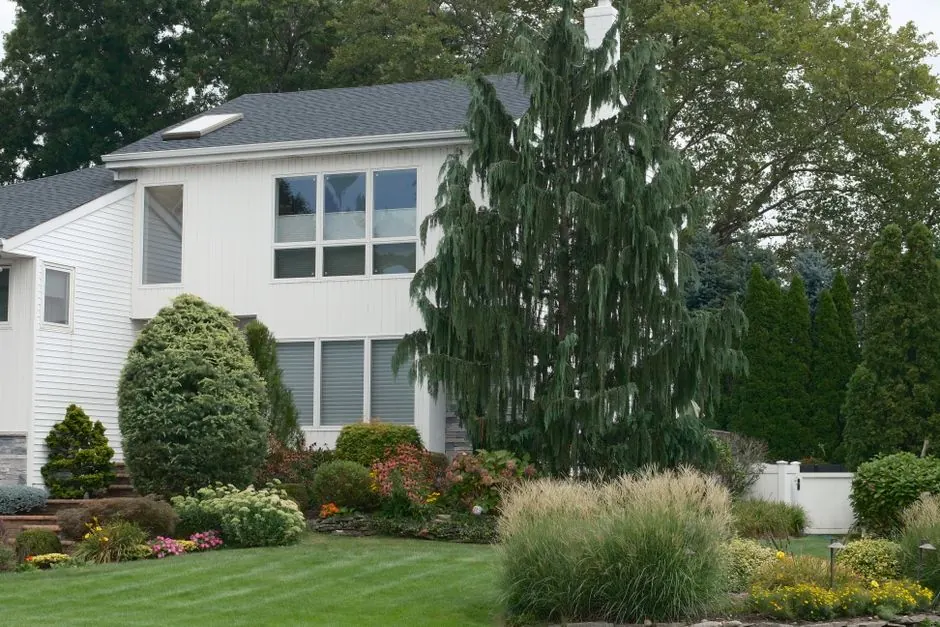
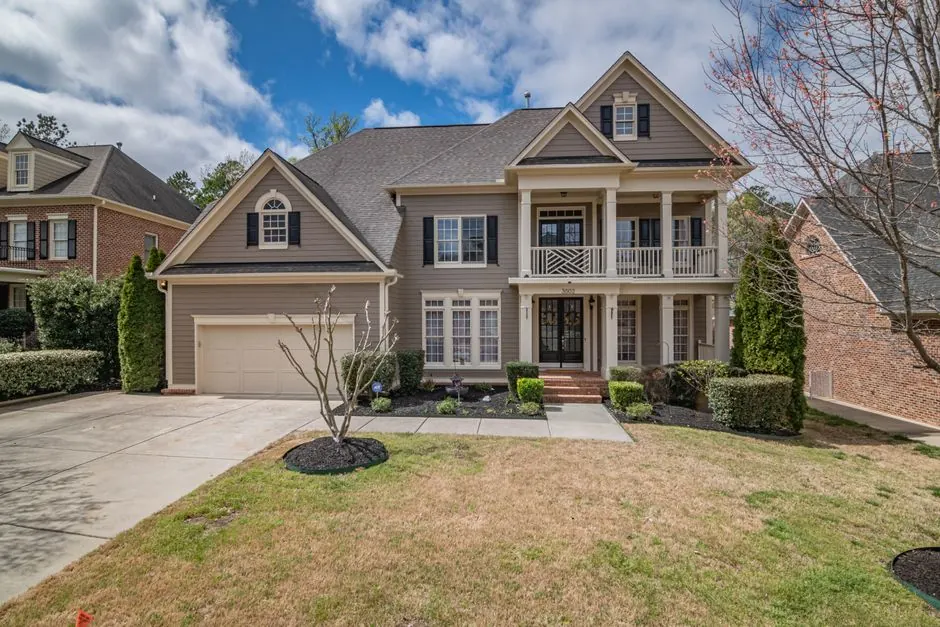
A good exterior finish should look calm, clean, and fully settled.
The final look is the part everyone notices. The drying conditions are the part that helps that look last.
Free Austin estimate
Want the paint to dry right, not just fast?
Tell us about your exterior, timeline, and forecast concerns. We will help you plan the prep, paint system, and weather window before the first coat goes on.
FAQ
Exterior paint dry-time questions.
How long does exterior paint take to dry?
Most exterior latex or acrylic paint is dry to the touch in about 1-4 hours, but that does not mean it is fully cured. Recoat time is often 4-24 hours, and full cure can take 7-30 days depending on the product and weather.
How long should exterior paint dry before rain?
A conservative rule is to give exterior paint at least 24 hours before rain when possible. Some modern paints can handle light rain sooner, but humidity, temperature, surface type, and film thickness all affect the real window.
Can exterior paint dry too fast in Texas heat?
Yes. Direct sun and hot surfaces can make paint dry too fast on the surface, which may affect leveling, adhesion, and lap marks. Good painters plan around sun exposure instead of painting every wall at the hottest time of day.
How long between coats of exterior paint?
Many exterior paints can be recoated after 4 hours in ideal conditions, but 8-24 hours is often safer when humidity is high or the surface is shaded. Always follow the product label and adjust for real jobsite conditions.
How long does exterior paint take to cure?
Exterior paint often takes 7-30 days to fully cure. During that time, avoid pressure washing, aggressive cleaning, taping, or placing objects against freshly painted trim and siding.
What happens if it rains on fresh exterior paint?
Rain can cause streaking, spotting, soft paint, poor adhesion, or an uneven finish if the coating has not dried enough. The damage depends on how soon the rain hits, how hard it rains, and which paint system was used.
Related guides and services
Written by New Life Painting
New Life Painting is a family-owned painting company serving Austin and Central Texas with exterior painting, interior painting, cabinet painting, drywall repair, respectful crews, premium materials, and free estimates.