Texas exterior painting guide
How Long Does Exterior Paint Last in Texas?
Exterior paint in Texas usually lasts about 5 to 10 years, but Austin heat, direct sun, surface type, prep quality, and moisture can push that number shorter or longer. Texas weather is brutal on bad paint jobs. It does not politely wait for your calendar.
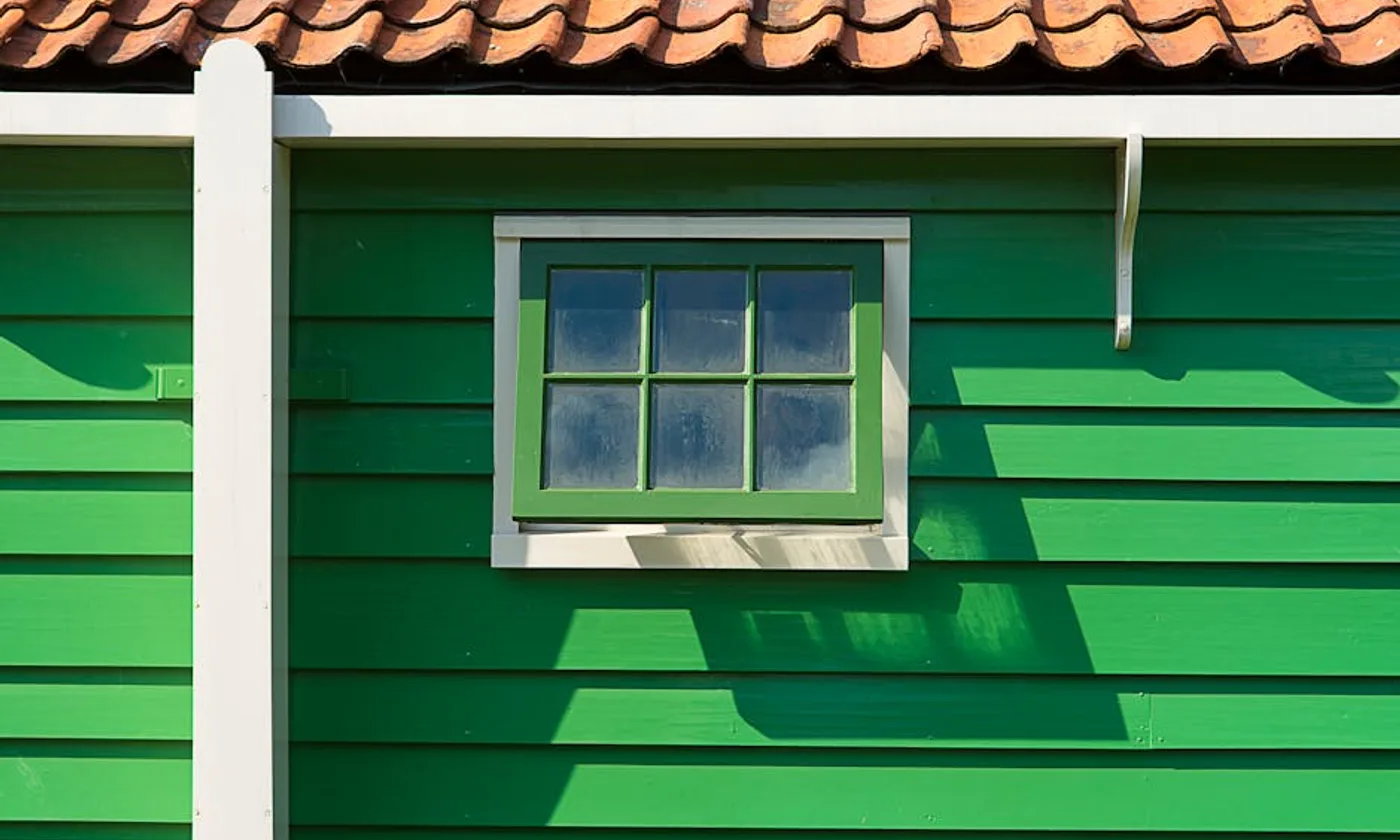
Quick answer
Plan on 5-10 years, then inspect the details.
A well-prepped exterior repaint on a Central Texas home can often last close to 8-10 years. A rushed job, cheap coating, neglected caulk, or west-facing trim can start showing trouble in 3-5 years.
The trick is not waiting until paint is actively peeling everywhere. Once peeling starts, prep gets heavier, repairs get more involved, and the project usually costs more. Catch it at fading, chalking, and cracked caulk, and you are in better shape.
Typical exterior paint lifespan
How long paint lasts by surface type.
These are planning ranges, not a warranty carved into stone. Your actual exterior depends on sun exposure, prep, product quality, sprinkler spray, shade, moisture, and how hard the Texas summer has been beating on it.
Wood siding and trim
4-7 years
Depends heavily on sun exposure, caulk condition, moisture, and prep.
Fiber cement siding
7-10 years
Can last well with proper washing, caulking, primer, and quality coatings.
Stucco
5-8 years
Hairline cracks, chalking, and water movement shorten the timeline.
Painted brick
8-12 years
Longevity depends on masonry prep, breathable coatings, and moisture control.
Doors, fascia, and high-sun trim
3-6 years
These usually fail first because they take the worst UV and weather exposure.
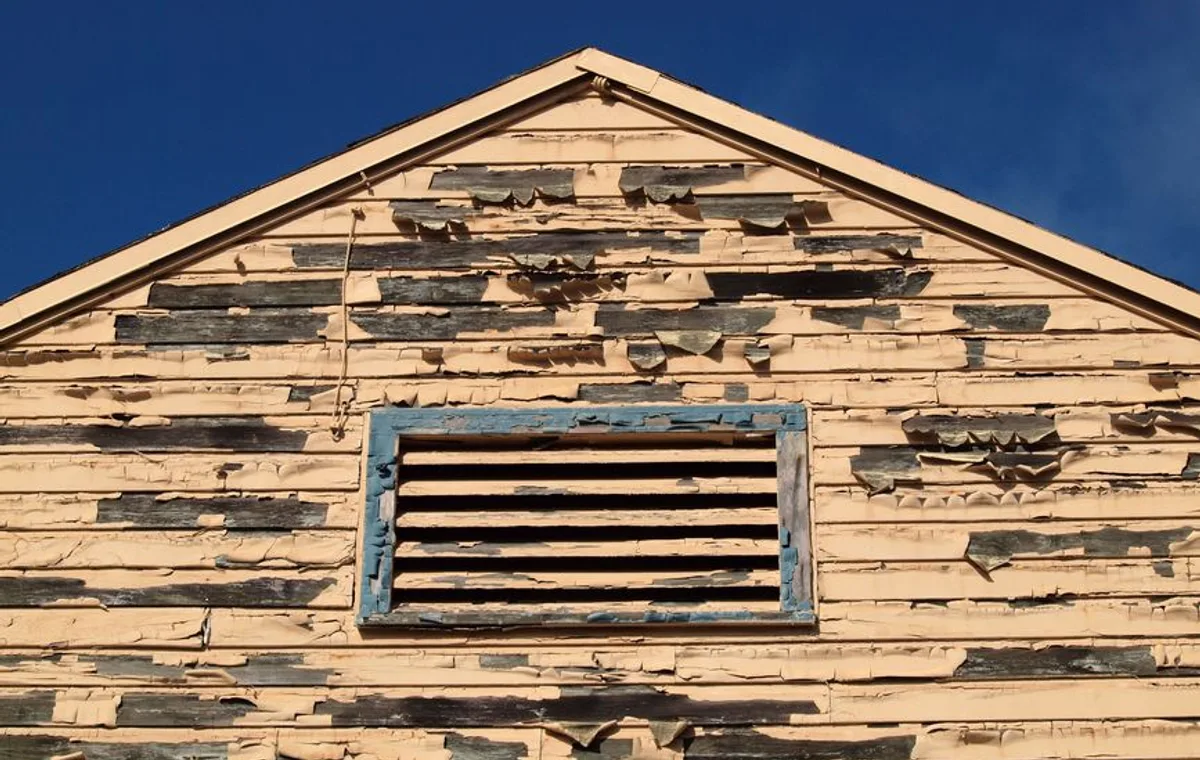
Texas weather factors
Sun, heat, and moisture are the big three.
In Austin, Leander, Cedar Park, Round Rock, and Georgetown, exterior paint has to deal with intense UV, hot siding, dry spells, sudden rain, wind, dust, and seasonal humidity. That is a lot to ask from one coating.
South- and west-facing elevations usually fade first. Fascia, doors, garage doors, and trim also tend to wear early because they catch more sun and shed more water.
The paint brand matters, but prep matters more. Premium paint over dirty, chalky, damp, or failing paint is still a weak system. The surface has to be ready.
Surface types
Different materials age differently.
Wood trim
Needs close attention because cracks, exposed grain, and failed caulk let moisture in quickly.
Stucco
Watch for chalking, hairline cracks, stains, and areas where water sits or splashes.
Brick
Painted brick can last well when prepped correctly, but trapped moisture is the thing to respect.
Fiber cement
Often performs well with the right primer, caulk, and coating thickness.
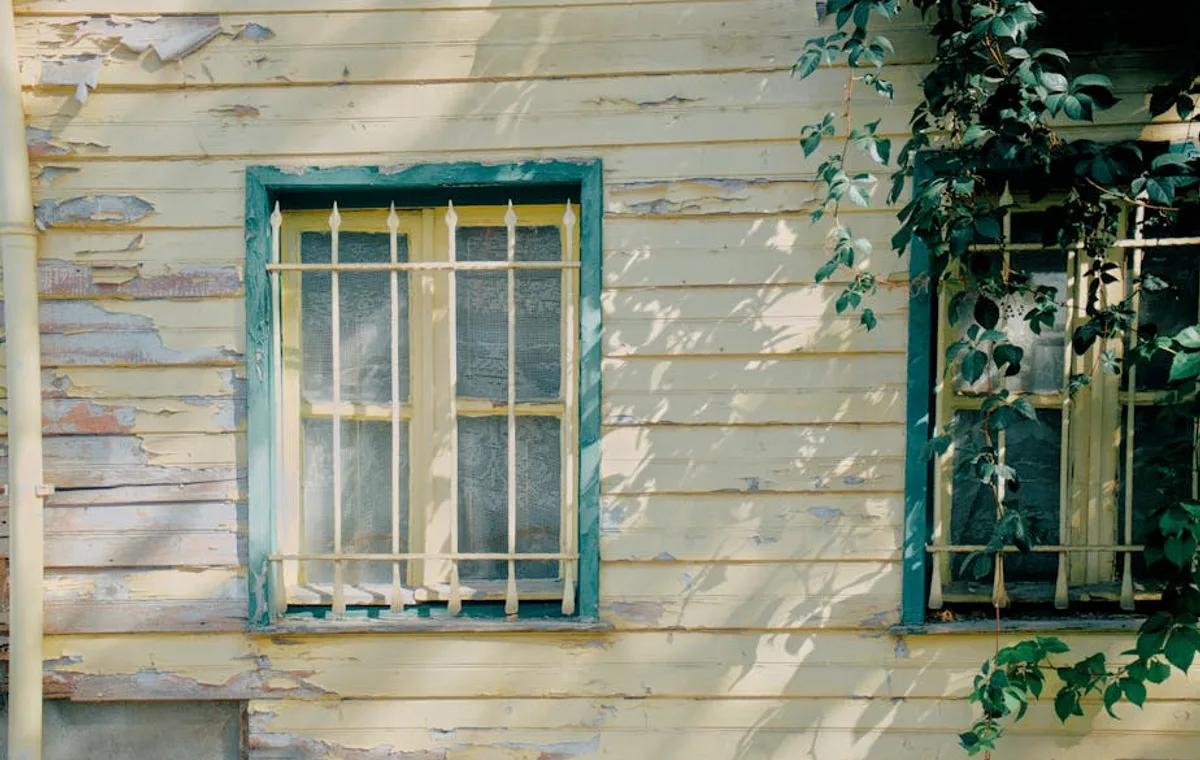
Warning signs
Signs your exterior paint is near the end.
If you see one of these, do not panic. If you see several, it is time to get a proper exterior inspection before the problem spreads.
- Chalking that leaves powder on your hand
- Peeling, flaking, bubbling, or lifting paint
- Cracked or separated caulk around trim and windows
- Faded color on sun-facing sides
- Bare wood or exposed primer
- Mildew, dark staining, or recurring moisture marks
- Hairline cracks in stucco or masonry coatings
- Trim that looks dry, brittle, or rough up close
Make paint last longer
How to stretch the life of an exterior paint job.
Do the prep nobody sees
Washing, scraping, sanding, caulking, priming, and repair work are what keep paint from failing early. Paint is not magic. It needs a clean, sound surface.
Use the right coating system
Texas sun is rough on cheap exterior paint. The right primer, product, sheen, and application thickness matter more than a flashy color name.
Watch the south and west sides
In Austin and Central Texas, the sun-facing sides often age faster. Those areas may need touch-ups or extra attention before the rest of the home looks tired.
Fix caulk and cracks early
Small gaps let water move behind paint. Once that starts, peeling can spread quickly. A little maintenance beats a bigger repaint bill later.
For product planning, read our guide to the best exterior paint for Texas heat. For timing, our guide to the best time to paint a house exterior in Austin can help you plan around weather.
Exterior inspection checklist
Walk around your home and check these spots.
If your home is showing multiple warning signs, it may be time to talk with a local exterior painting contractor. New Life Painting can inspect the surface, explain what is failing, and recommend the right prep before you spend money on paint.
Free Austin estimate
Want to catch the right exterior painting window?
Tell us about your home, timeline, and exterior condition. We will help you plan the prep, coating system, and schedule before Texas weather makes the decision for you.
FAQ
Exterior paint lifespan questions.
How long does exterior paint last in Texas?
Most exterior paint in Texas lasts about 5 to 10 years, but high-sun trim, wood, and poorly prepped surfaces can fail sooner. Homes with better prep, premium coatings, and regular maintenance usually land on the longer side.
Does Texas heat make exterior paint fade faster?
Yes. UV exposure and heat can fade color, dry out caulk, and stress the coating. South- and west-facing walls usually show wear first because they take the strongest sun.
How often should I repaint my house in Austin?
Many Austin homes need exterior repainting every 5 to 8 years, depending on surface type, shade, moisture, prep quality, and product choice. Trim and doors may need attention sooner.
What exterior paint lasts longest in Texas?
High-quality acrylic exterior coatings usually perform best for Texas homes. The best choice depends on the surface, existing coating, sun exposure, and whether primer or masonry-specific products are needed.
Can I repaint before the old paint starts peeling?
Yes, and that is usually smarter. Repainting before major peeling starts reduces scraping, repairs, primer work, and the chance of moisture damage underneath.
What makes exterior paint fail early?
The most common causes are poor prep, painting dirty or damp surfaces, cheap paint, missed primer, failing caulk, intense sun exposure, and moisture getting behind the coating.
Should I pressure wash my house before painting?
Usually, yes, but washing alone is not full prep. A proper exterior repaint may also need scraping, sanding, caulking, spot priming, repairs, masking, and dry time before paint goes on.
Related guides and services