Exterior painting in Austin
Best Exterior Paint for Texas Heat
The best exterior paint for Texas heat is usually a premium 100% acrylic exterior paint with strong UV resistance, proper primer where needed, and a color that will not punish your siding all summer. In Austin, the paint matters, but the prep matters even more.
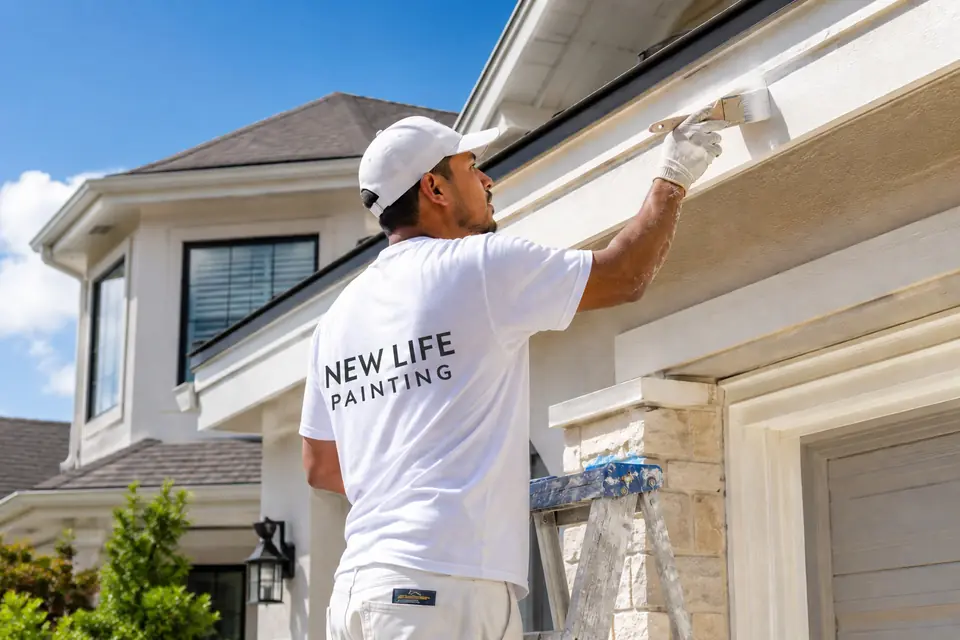
Quick Answer: What Should Austin Homeowners Choose?
For most Central Texas homes, choose a premium 100% acrylic exterior paint. It gives you the best mix of adhesion, color retention, flexibility, and resistance to Texas sun. If your home has stucco, brick, older siding, or chalky paint, the coating choice may change, but acrylic is the starting point.
Use a premium 100% acrylic exterior paint for most Central Texas homes.
Choose lighter or mid-tone colors when heat and fading are major concerns.
Do not skip washing, scraping, sanding, caulking, priming, and dry-time checks.
Use elastomeric coatings only when the surface actually calls for them.
Schedule exterior painting around temperature, sun exposure, wind, and rain.
Here’s the thing. A premium paint can still fail if it goes over dust, chalky siding, rotten trim, open gaps, or glossy old paint that was never sanded. Texas weather is brutal on bad prep. The paint gets blamed, but the prep is often the real troublemaker.
What Texas Heat Does to Exterior Paint
Austin homes take a beating from UV exposure, hot siding, humidity swings, surprise storms, and long dry stretches. South- and west-facing walls usually age first because they absorb the hardest afternoon sun.
Heat makes siding expand and contract. UV light fades pigments and breaks down weaker binders. Moisture finds gaps around trim, nail heads, fascia, and caulk seams. That is why exterior painting in Austin is not just a color project. It is a coating system.
The four things that matter most
- Resin quality: Better acrylic resins help the paint stay flexible.
- UV resistance: Better pigments and binders slow fading and chalking.
- Breathability: The surface needs to manage moisture, not trap it.
- Prep: Clean, dry, sound surfaces make the paint bond.
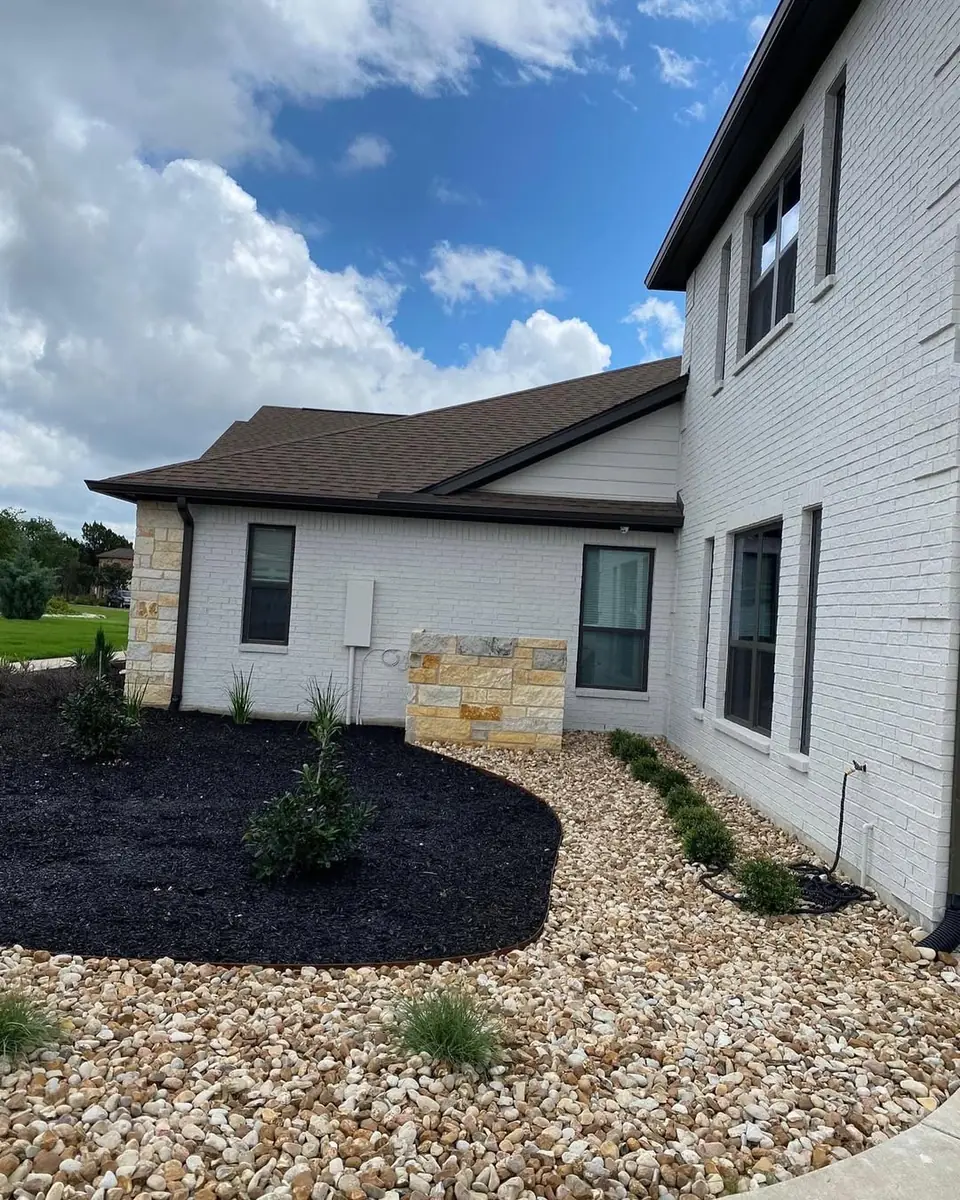
Best Exterior Paint Types for Texas Heat
1. Premium 100% Acrylic Exterior Paint
This is the best all-around choice for most homes in Austin, Leander, Cedar Park, Round Rock, and Georgetown. Acrylic exterior paint handles movement better than cheaper latex blends, resists peeling when applied correctly, and holds color longer in full sun.
Look for premium exterior lines made for durability, mildew resistance, adhesion, and color retention. Product pages from manufacturers like Sherwin-Williams Duration Exterior and Sherwin-Williams Emerald Exterior are useful starting points when comparing premium acrylic options.
2. Masonry or Elastomeric Coatings for Stucco and Brick
Stucco, masonry, and some brick surfaces may need a specialty coating. Elastomeric paint can bridge tiny hairline cracks and create a thicker protective film. That sounds great until someone uses it where it does not belong.
Elastomeric coatings need careful evaluation. The surface has to be clean, dry, compatible, and properly primed. On the wrong surface, a thick coating can trap moisture. On the right surface, it can be a smart move.
3. Specialty Trim and Door Paints
Doors, fascia, shutters, and trim often need extra attention because they get touched, scraped, baked, and sprayed by sprinklers. A tougher enamel-style exterior coating can help these areas clean better and look sharper.
This is where a professional painter should talk through sheen, dry time, and whether the surface needs bonding primer. A beautiful black front door is only beautiful if it does not turn sticky, faded, or chipped after one summer.
Color and Sheen Matter More Than People Think
Dark exterior colors absorb more heat. Lighter colors reflect more sunlight and often age more gracefully in Austin. That does not mean every Texas home needs to be beige. It means you should choose colors with the climate in mind.
If you love deep charcoal, navy, bronze, or black accents, use them strategically. Trim, doors, shutters, and smaller architectural details are safer places for bold color than an entire west-facing wall.
Safer heat-friendly choices
- Warm whites and soft creams
- Light greige and stone colors
- Muted sage or olive accents
- Medium taupe, clay, or mushroom tones
Use extra care with
- Black or near-black siding
- Deep navy in full sun
- Bright reds and intense blues
- High-gloss finishes on imperfect siding
The EPA notes that reflective roof surfaces can reduce heat absorption in buildings and communities. Exterior wall paint is not the same thing as a cool roof, but the same common-sense idea applies: color and reflectance affect heat. See the EPA’s overview of cool roofs and heat islands for the broader building-science context.
The Prep Work That Makes Paint Last in Austin
Let’s be honest. Nobody gets excited about scraping, sanding, and caulking. But those steps are the difference between a finish that holds up and a finish that looks tired before the next football season.
- 1. Wash properly. Pressure washing alone is not full prep, but the surface does need to be clean. Dirt, mildew, chalking, and dust weaken adhesion.
- 2. Scrape and sand loose paint. Paint cannot glue down failing paint. Loose edges need to be removed and feathered.
- 3. Repair bad trim and open seams. Paint is not carpentry. Rotten wood, failed caulk, and open joints need attention before coating.
- 4. Prime where needed. Bare wood, stains, patched areas, chalky surfaces, and some slick materials need the right primer.
- 5. Paint in the right conditions. Good painters watch direct sun, surface temperature, humidity, wind, and rain. The can label is only the beginning.
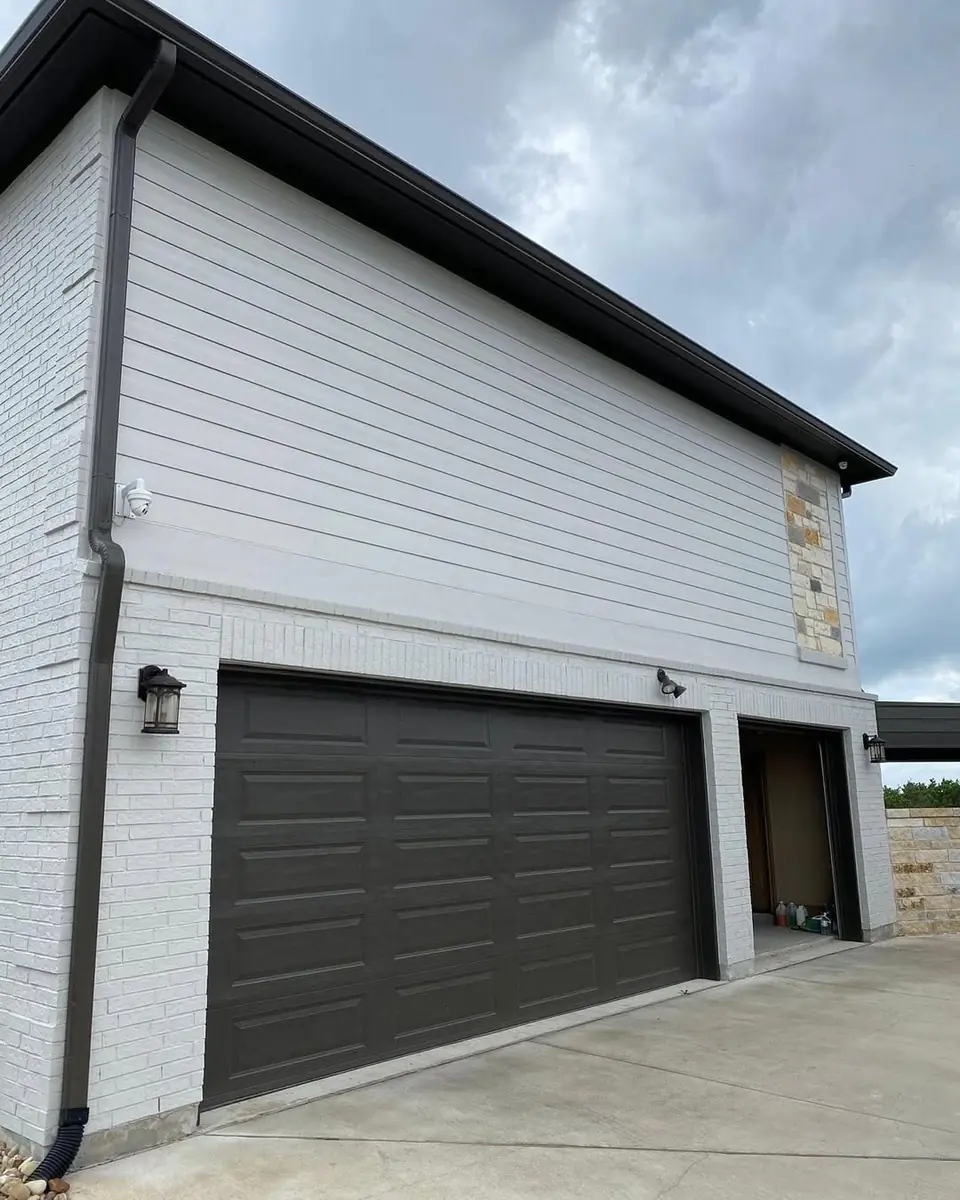
So Which Paint Brand Should You Choose?
Good brands matter. Premium lines from Sherwin-Williams, Benjamin Moore, and similar professional-grade manufacturers can all perform well when matched correctly to the surface.
But here is our strong opinion: prep matters more than the logo on the can. A premium coating over a poorly prepared surface is still a weak paint job. A thoughtful painter should explain the paint system, not just name-drop a brand.
What we look for in an exterior paint system
- Surface compatibility with siding, masonry, trim, or doors
- UV and fade resistance for Austin sun exposure
- Mildew resistance for shaded and humid areas
- Primer compatibility where bare or problem areas exist
- Realistic recoat windows and weather requirements
Questions to Ask Before You Hire an Exterior Painter
A homeowner once told us they had three exterior quotes that looked like they were for three different houses. One was cheap, one was vague, and one actually explained prep. Guess which one was most useful?
What exact paint line will you use, and why?
Which areas need primer?
How will you handle chalky siding or peeling paint?
What caulk will you use on exterior seams?
How many coats are included?
How do you protect landscaping, windows, fixtures, and concrete?
What happens if rain or extreme heat interrupts the schedule?
If an estimate is light on prep details, ask questions. Cheapest quote is often most expensive later, especially when Texas sun starts testing the finish.
Local exterior painting help
Want paint that can handle Central Texas?
New Life Painting helps Austin-area homeowners choose the right prep, paint system, color direction, and timeline for exterior projects.
FAQ: Exterior Paint and Texas Heat
What is the best exterior paint for Texas heat?
For most Austin-area homes, the best exterior paint for Texas heat is a premium 100% acrylic exterior coating. It handles UV exposure, expansion, contraction, and moisture better than cheaper builder-grade paint.
Is satin or flat better for exterior paint in Texas?
Satin is often better for trim, doors, and areas that need easier cleaning. Flat or low-sheen finishes can look beautiful on siding and masonry, but the right choice depends on the surface, condition, and sun exposure.
Do dark exterior colors fade faster in Austin?
Yes, dark colors usually show heat stress and fading faster than lighter colors. They can still work, but they need the right paint line, careful prep, and realistic expectations in full Texas sun.
How long does exterior paint last in Texas heat?
A quality exterior paint job in Central Texas often lasts 7 to 10 years, but full-sun elevations can age faster. Prep quality, paint quality, siding type, color, sprinklers, and drainage all affect the timeline.
Is elastomeric paint good for Texas homes?
Elastomeric paint can be useful for stucco or masonry surfaces with small hairline cracks, but it is not automatically better for every home. It needs proper surface prep and should be matched to the material.
What temperature is best for exterior painting in Austin?
Mild, dry conditions are best. In Austin, painters often plan around direct afternoon sun, surface temperature, humidity, wind, and rain chances instead of looking at the air temperature alone.
About New Life Painting
New Life Painting is a family-owned, insured painting company serving Austin, Leander, Cedar Park, Round Rock, Georgetown, and nearby Central Texas communities. We offer free estimates, clean crews, premium materials, and English + Spanish communication.