Austin drywall repair pricing
How Much Does Drywall Repair Cost in Austin?
Drywall repair cost in Austin usually ranges from about $150 to $650 for small repairs, while multiple patches, texture touch-ups, or paint-ready repairs often land around $650 to $1,500+. Larger wall or ceiling repairs can reach $1,200 to $3,500+depending on access, texture, primer, and repainting.
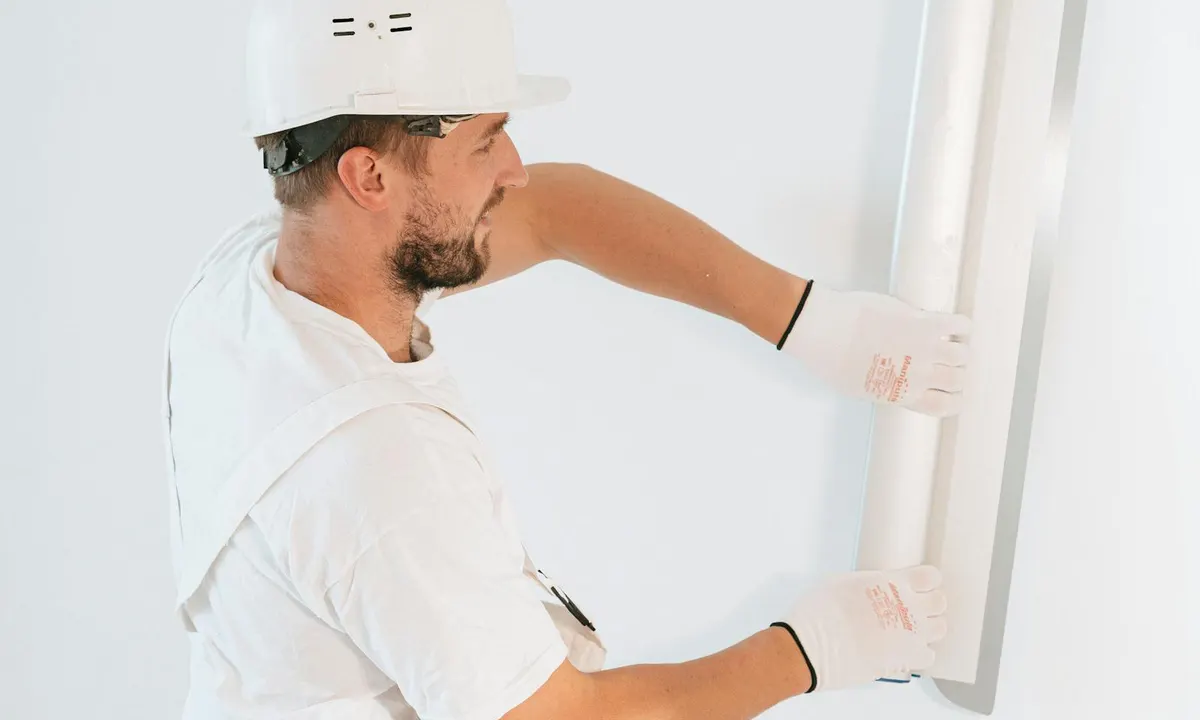
Quick answer
Drywall repair pricing depends on the repair and the finish around it.
The patch is only one part of the price. Texture, sanding, spot primer, paint matching, wall repainting, dust protection, and ceiling access can all change the final number.
A small dent behind a door is simple. A ceiling water stain with texture, sanding, primer, and repainting is a different animal. Same category, very different scope.
Need someone to handle the repair? New Life Painting provides drywall repair and texture matching in Austin and serves Leander, Cedar Park, Round Rock, and Georgetown. Send your ZIP code, a close-up of the damage, and a wider room photo. Tell us whether you want the patch ready for paint or fully painted, and mention any move-in date or other deadline. We can review the work and confirm scheduling availability before you make plans.
Austin cost ranges
Drywall repair cost ranges in Austin for 2026.
Use these as planning ranges. A proper estimate should spell out patching, sanding, texture, primer, paint, protection, and cleanup.
Small nail holes or minor dents
$150-$350
Best for simple touch-ups when the wall does not need broad repainting.
Small drywall patch
$250-$650
Common for door handle damage, small holes, minor cracking, or a single repair area.
Multiple patches or texture touch-ups
$650-$1,500+
More sanding, texture blending, setup, dry time, and spot priming.
Larger wall or ceiling repair
$1,200-$3,500+
Larger damaged sections, ceilings, stains, access issues, or repainting the full surface.
Cost by repair type
Common drywall repair examples.
These examples reflect the way homeowners usually describe the problem: hole, crack, stain, ceiling patch, or texture issue.
These dollar ranges are broad examples for the described repair scope, not hourly or square-foot rates and not documented customer invoices. Do not multiply a range by the number of holes: setup, protection and return visits may be shared across repairs. Ask for the number and size of areas, materials, texture, primer, touch-up versus full-wall painting, cleanup, and any minimum visit charge in writing. For an assessment of your damage, see our Austin drywall repair service.
Repair
Nail pops or small dents
Typical range
$150-$350
What affects it
Fast repair when paint matching is simple and damage is limited.
Repair
Door handle hole
Typical range
$250-$650
What affects it
Often needs patching, sanding, texture touch-up, primer, and paint.
Repair
Settlement crack
Typical range
$300-$900
What affects it
Price depends on crack length, movement, tape work, and finish blending.
Repair
Texture matching
Typical range
$350-$1,200+
What affects it
Orange peel, knockdown, and older textures can take extra time to blend.
Repair
Ceiling drywall repair
Typical range
$500-$2,000+
What affects it
Ceilings need more protection, access, sanding control, and careful blending.
Repair
Patch plus repaint
Typical range
$450-$1,800+
What affects it
The wall may need corner-to-corner painting if the patch would otherwise show.
Drywall patching in Austin
What goes into a clean drywall patch—not just a quick cover-up.
Drywall patching in Austin usually starts with a small, obvious problem: a doorknob hole, an old TV mount, a plumbing access cut, or a dent from moving furniture. The finished result depends on more than filling the opening. The patch needs solid support, flat seams, a texture that belongs in the room, and paint that does not leave a bright square under afternoon light.
For a shallow dent or nail hole, a contractor may only need to remove loose material, apply compound, sand, prime, and touch up the finish. A hole that passes through the board is different. The damaged area may need to be cut into a clean shape, supported with backing, fitted with new drywall, taped, and built up with several thin coats. Each coat needs enough dry time. Rushing that step can leave a raised edge, a visible seam, or a patch that shrinks after the room is put back together.
Small patch or section replacement?
Size is only part of the decision. Drywall around the opening must be dry and firm enough to hold the repair. Soft edges, repeated water exposure, broken seams, or missing support can turn a simple patch into a larger cutout. Fix active leaks first. If movement or moisture is still present, fresh compound and paint will only hide the warning sign for a little while.
Why texture and paint affect the scope
Smooth walls show humps and sanding scratches. Orange peel, knockdown, and hand-applied textures require a careful blend beyond the edge of the patch. After that, new drywall and compound need primer so they do not absorb paint differently. If the old color has faded or the sheen is hard to match, painting corner to corner usually looks more polished than a small spot touch-up.
Send the details that make a drywall patch quote more accurate.
Start with one close photo and one wide photo that shows the full wall or ceiling. Put a tape measure beside the damage, mention the ceiling height, and count every repair area. Tell the estimator what caused the opening and whether the source has been fixed. If you still have the original paint can, share the color, product, and sheen—but keep in mind that stored paint does not reverse fading on the wall.
Those details help our Austin drywall patching and repair team estimate protection, repair, texture, primer, and cleanup as one scope. If several patches are part of a room refresh, pairing the work with professional interior painting in Austin can reduce repeated setup and produce a more consistent wall finish.
A useful quote names the stopping point.
“Patch only,” “paint-ready,” and “fully painted” are not the same service. Ask whether the price includes texture, spot primer, paint matching, full-wall painting, furniture protection, dust control, return visits, and cleanup. A clear scope makes estimates easier to compare and keeps a cheap patch from becoming an unfinished wall.
What changes the price
The biggest drywall repair price factors.
Drywall pricing gets weird when the quote only says “patch wall.” A good estimate should explain what happens before and after the patch too.
Size and number of damaged areas
Whether the damage is on a wall or ceiling
Drywall texture type and how hard it is to blend
Water stains, moisture damage, or active leaks
Sanding, dust control, masking, and floor protection
Primer, paint matching, sheen, and whether the full wall needs repainting
Access issues like stairwells, high ceilings, tight rooms, or furniture
Whether the project is bundled with interior painting
How contractors price the work
Per-patch, hourly, or project pricing: what are you really paying for?
Drywall repair prices are often quoted three ways: by the patch, by the hour, or as one complete project. None is automatically better. The useful number is the one tied to a clear scope. A low per-patch price can grow quickly if texture, primer, paint, masking, or a return visit gets added later.
Hourly pricing can make sense for a short list of simple dents and nail holes. It gets harder to compare when drying time, multiple coats of compound, or ceiling access are involved. You should know whether the clock includes material pickup, setup, drying between coats, and cleanup. If those details are fuzzy, the hourly rate does not tell you much about the final bill.
Project pricing is usually easier for homeowners when the goal is a finished wall. The estimate can include protection, patching, feathering, texture matching, spot primer, and the amount of painting needed to make the repair blend. That makes two quotes easier to compare and reduces surprise add-ons.
Why one small hole can still have a minimum charge
Even a doorknob hole requires travel, floor protection, tools, material mixing, sanding control, and cleanup. That is why one tiny repair may cost more per hole than five repairs completed during the same visit. If you have several trouble spots, photograph all of them before requesting a detailed Austin painting estimate. A complete list helps the contractor price setup once and gives you a more useful project total.
Austin-specific damage
Why drywall cracks return in some Austin homes.
Central Texas soil expands when it gets wet and contracts during dry stretches. That movement can show up indoors as hairline cracks above doors and windows, along ceiling joints, or where two walls meet. A cosmetic drywall repair can improve the finish, but it cannot stop active foundation or framing movement.
A short, stable hairline crack may only need loose material removed, reinforcement where appropriate, joint compound, sanding, texture, primer, and paint. A crack that repeatedly opens, becomes wider, crosses several surfaces, or appears with sticking doors and uneven floors deserves more investigation before you pay to repaint it. Otherwise, you may buy the same cosmetic repair twice.
Take a dated photo and lightly mark the ends of the crack with a pencil. Check it again after a few weeks and after a major weather change. That simple record helps show whether the damage is stable or moving. For a recurring or structural-looking crack, contact the appropriate foundation or engineering professional first. Once the underlying issue is resolved, our Austin drywall repair team can restore the surface and coordinate the paint finish.
Repair timing matters after foundation work
If your home has just been leveled or structurally repaired, ask the specialist when cosmetic repairs should begin. Doors, trim, and drywall may need time to settle into their new position. Waiting for the recommended period can protect a fresh patch from reopening and keep the final interior paint job looking clean.
Planning the right repair
What Austin homeowners should check before booking drywall repair.
A useful drywall estimate starts with the cause, not the patch. If a brown ceiling spot came from a roof, plumbing, or HVAC leak, that moisture problem needs to be fixed first. Covering active damage with joint compound and paint only buys a short break before the stain, bubbling, or soft drywall comes back.
Look closely at the area and note whether it feels soft, smells musty, or has changed since you first noticed it. Long cracks that keep opening, several doors that suddenly stick, or movement around a window may deserve a closer structural look before cosmetic work. New Life Painting handles common paint-ready drywall repairs; we will also tell you when the visible patch is not the whole problem.
Send photos that show scale and location.
Take one close photo and one from across the room. Include a tape measure, outlet, or door frame for scale. For ceiling damage, show the whole ceiling and mention the height. Photos help identify the likely repair, but an on-site look may still be needed for texture, moisture, access, and paint matching.
Group small repairs when it makes sense.
A contractor still has setup, floor protection, sanding control, cleanup, and travel for one tiny patch. Walking the house once and listing nail pops, dents, cracks, and old anchor holes can make the visit more useful. Bundling repair with an upcoming interior painting project may also produce a cleaner, more consistent finish.
Decide whether you need a patch or a finished wall.
“Drywall repair” can mean several stopping points. A basic patch may leave the surface sanded and ready for someone else to prime and paint. A finished repair can include texture matching, stain-blocking primer, color matching, and painting the wall from corner to corner. That last step matters in sunlit Austin rooms, where side light can expose a texture change or a fresh spot of paint immediately.
Ask the estimate to name the stopping point. It should say whether texture, primer, paint, protection, and cleanup are included. If the existing paint is old or you do not have the original color and sheen, plan for a full-wall repaint rather than a perfect invisible touch-up. Our Austin drywall repair service is built around that paint-ready result, so you know what the room should look like when the work is done.
Timing matters too. Joint compound, texture, primer, and paint each need enough dry time, and a deeper patch may require more than one visit. Ask whether the room needs to stay clear overnight and when furniture can go back. For occupied homes in Austin, Cedar Park, Leander, Round Rock, and Georgetown, a clear schedule and good dust control are part of a professional repair—not optional extras.
Hiring drywall repair in Austin
Choose the repair team by the result you need.
Searching for drywall repair in Austin can turn up handymen, drywall installers, restoration companies, remodelers, and painting crews. They do not all solve the same problem. The right fit depends on why the drywall failed, how large the damaged area is, and whether you want a basic patch or a wall that is textured, primed, and painted when the work is complete.
A handyman may be a practical choice for a small, isolated hole when you already have matching paint and understand the finish being provided. A drywall installer makes more sense when several sheets need replacement or a remodeled room needs new board hung and finished. A restoration company is usually the first call after a major leak, flood, or contamination concern. For everyday cracks, holes, texture repairs, and damaged areas that need to disappear into a freshly painted room, a paint-and-drywall team can coordinate the repair and finish as one scope.
Confirm the cause before the cosmetic work.
A contractor should ask how the damage happened and whether it is still changing. Brown stains, soft board, musty odors, or bubbling paint can point to moisture that needs to be stopped first. A crack that widens, returns quickly, crosses several surfaces, or appears with sticking doors may need a foundation or engineering opinion. Good repair work starts with knowing where cosmetic drywall work ends and another trade begins.
Make the finished appearance part of the quote.
Ask whether the repair includes backing, tape, compound, sanding, dust control, texture, primer, paint, and cleanup. Also ask how much of the wall or ceiling will be painted. A smooth patch can still stand out if the texture, color, or sheen changes around it. Written finish expectations are more useful than a vague promise to “make it look good.”
Look for a clear plan, not the fastest promise.
Before hiring, confirm that the company is insured, that the scope is written down, and that you know who will protect the room and clean up sanding dust. Ask how many visits the repair is expected to take and what could change that schedule. Some quick-setting materials can shorten a job, but deeper fills, larger patches, texture, stain-blocking primer, and paint still need proper dry time. A one-day promise is not a benefit if the repair shrinks, flashes, or cracks after the crew leaves.
Photos can make the first conversation much more productive. Send one close view, one photo showing the whole wall or ceiling, and a reference for scale. Mention ceiling height, texture, the number of damaged areas, and whether matching paint is available. New Life Painting can turn that information into a more useful Austin painting and repair estimate and confirm whether the work fits our paint-ready drywall service.
If the repair is part of a larger refresh, discuss the complete room instead of pricing the patch in isolation. Coordinating drywall prep, wall painting, trim, and ceilings with one of our Austin house painting crews can reduce repeated setup and keep the final color and sheen consistent. That is often the difference between a repaired spot and a room that actually looks finished.
Professional repair process
What a complete drywall repair should include.
A lasting repair starts with drywall that is stable and dry. From there, the work should move in a clear order so the patch does not flash through the paint, crack at the seam, or leave dust throughout the room.
1. Inspect and protect
Confirm the source of the damage, remove loose material, and protect floors, furniture, fixtures, and nearby surfaces before sanding begins.
2. Patch and reinforce
Cut back to sound drywall, install backing when needed, and reinforce seams so the repair has support instead of relying on compound alone.
3. Build and sand the finish
Apply joint compound in controlled layers, allow proper dry time, and feather the edges wide enough to avoid a visible hump under side lighting.
4. Match texture, prime, and paint
Blend the existing texture, seal the repair with the right primer, and repaint enough of the surface to create a consistent color and sheen.
Small cosmetic patches can move quickly. Deeper repairs may need separate visits for compound, texture, primer, and paint to dry. A realistic schedule protects the finish and prevents rushed layers from shrinking or showing later.
Repair or replace
When a patch is enough—and when replacement makes more sense.
Small holes, isolated cracks, nail pops, and limited impact damage are usually good repair candidates. Replacement becomes more practical when drywall is soft, crumbling, repeatedly wet, heavily bowed, or damaged across a broad area. Active leaks and moisture sources must be corrected before either option begins.
The right choice depends on what is behind the visible damage, not just the size of the mark. Our guide to drywall repair versus replacement explains the warning signs and tradeoffs in more detail.
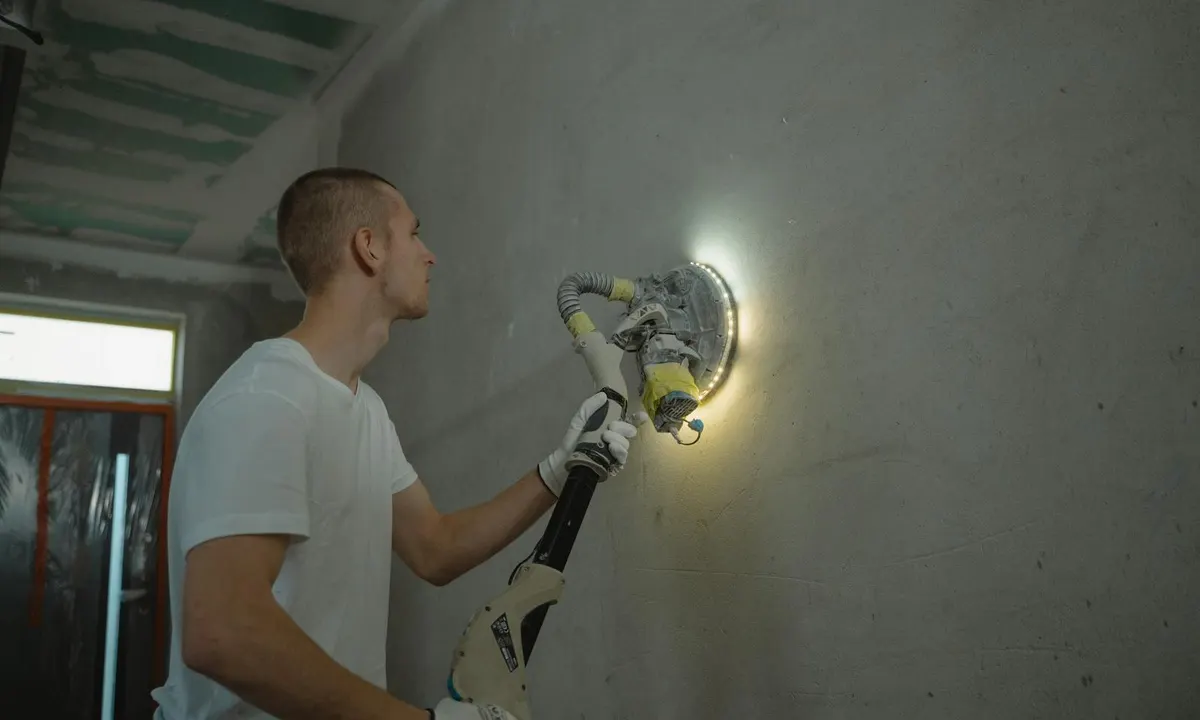
Paint and texture
The hidden cost is usually making the repair blend.
Let's be honest. A patched spot that screams from across the room is not really finished. Texture, primer, and paint are what turn a repair into a wall again.
If the existing wall paint is old, faded, or a tricky sheen, a small spot repair may still be visible. In that case, repainting the full wall from corner to corner often looks cleaner than trying to feather new paint into old paint.
If the repair is part of a larger room refresh, review our Austin interior painting cost guide to understand how wall condition, trim, ceilings, colors, and room access affect the complete project price.
Quote comparison
How to compare drywall repair quotes.
If one quote is much cheaper, ask what is missing. It may not include texture, primer, paint, cleanup, or repainting the wall. Cheap can be fine. Vague is the problem.
Ask these questions before hiring:
- Does the price include sanding, texture, primer, and paint?
- Will the full wall or ceiling need to be repainted?
- How will floors, furniture, and nearby surfaces be protected?
- What happens if the wall has water damage or loose material?
- How many visits are needed for mud, drying, sanding, and painting?
- Is cleanup included after sanding and repair work?
Good drywall repair estimates are clear about finish level. If the goal is paint-ready, say that out loud. It prevents a lot of “wait, why does that still show?” later.
Smart ways to save
How to keep drywall repair costs reasonable.
Bundle small repairs together when you can. A crew already has to set up, protect the area, mix material, sand, prime, and clean. One tiny patch can feel expensive because setup time is real.
You can also save by clearing access, sending photos before the estimate, identifying matching paint if you have it, and fixing any active moisture issue before repair day. Do not save money by skipping primer. That one likes to come back and haunt the wall.
Need local pricing?
Request a free Austin drywall repair estimate.
New Life Painting is family owned, insured, and serves Austin, Leander, Cedar Park, Round Rock, Georgetown, and nearby Central Texas communities.
Helpful planning links
Drywall repair cost FAQ
Austin drywall repair cost questions, answered.
How much does drywall repair cost in Austin?
Drywall repair cost in Austin often ranges from about $150 to $650 for small repairs and $650 to $1,500+ for multiple patches, texture touch-ups, or paint-ready repair work. Larger wall or ceiling repairs can cost $1,200 to $3,500+ depending on access, texture, priming, and repainting.
What should an Austin drywall patching quote include?
A complete drywall patching quote should identify the damaged areas and state whether backing, taping, compound, sanding, texture matching, primer, paint, room protection, and cleanup are included. It should also say whether the contractor will touch up the patch or repaint the full wall or ceiling for a more consistent finish.
Does drywall repair include painting?
Sometimes, but you should ask clearly. A repair can be patched and sanded, or it can be patched, primed, textured, and painted. New Life Painting can include paint-ready repair and painting in the estimate so the wall looks finished.
Can a drywall patch match the existing wall perfectly?
A good patch can blend very well, but existing texture, old paint, sheen, lighting, and previous repairs all affect the final look. Sometimes repainting the full wall from corner to corner is the cleanest option.
Is ceiling drywall repair more expensive than wall repair?
Usually, yes. Ceilings are harder to access, messier to sand, and more sensitive to texture and lighting. They also require more protection for floors, furniture, fixtures, and the room below.
Should I repair drywall before interior painting?
Yes. Dents, nail pops, cracks, and patch marks can still show after paint dries. Repairing drywall before painting gives the finished room a much cleaner look.
Do painters repair drywall?
Many painting companies handle common drywall repairs, especially when the goal is paint-ready walls. New Life Painting can review small patches, nail pops, cracks, texture touch-ups, and prep during your Austin estimate.
How long does drywall repair take?
A small drywall repair may be completed in one visit, while deeper patches, texture matching, primer, and painting often require two or three visits so each layer can dry properly. Ceiling damage, water-related repairs, and multiple rooms can extend the schedule.
How do I choose a drywall repair company near me in Austin?
Confirm that the company serves your ZIP code and handles your type of repair, then ask for examples of similar finished work and a written scope covering texture, primer, paint, protection, and cleanup. New Life Painting serves Austin, Leander, Cedar Park, Round Rock, and Georgetown, with free estimates for common drywall repairs and painting. Share your location, photos, and preferred timing so we can review the scope and availability before you plan around a repair date.
Related guides and services
Free Austin estimate
Want the wall fixed and finished?
Tell us what happened, where the repair is, and whether you want paint included. We'll help you understand the scope and next step without the pressure.