Drywall repair and paint guide
Can Drywall Be Repaired Without Painting?
Yes, drywall can be physically repaired without painting, but the repair will usually remain visible. Tiny nail holes may blend with a careful touch-up. Most patches need primer and paint, and some walls need to be repainted corner to corner for the repair to truly disappear.
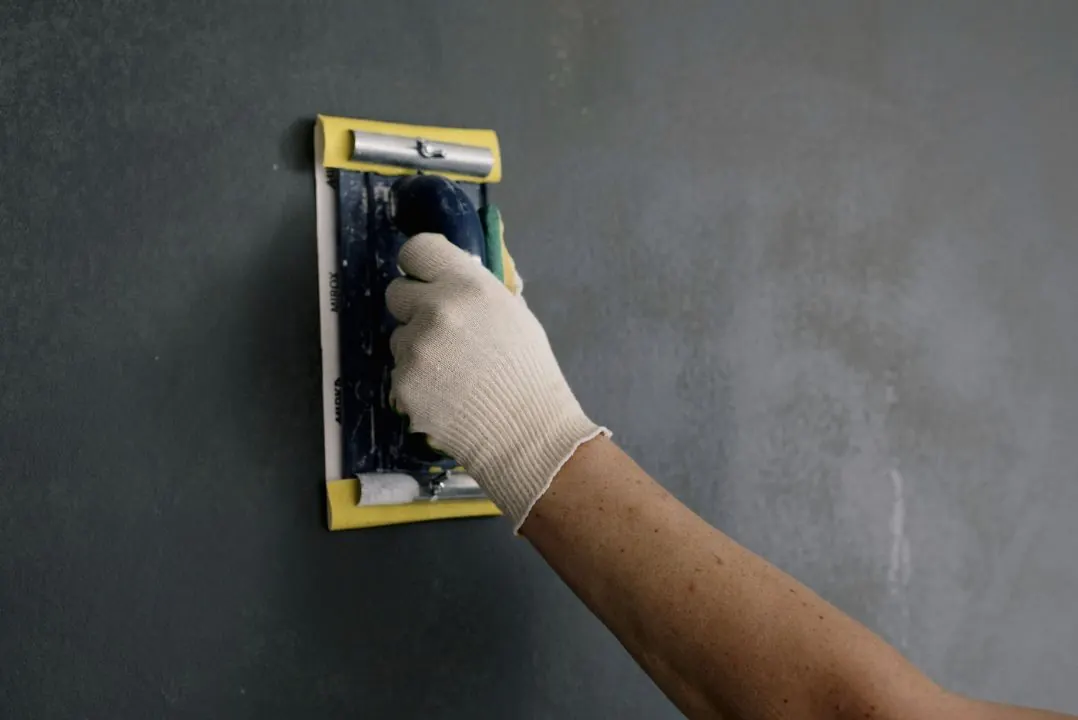
Quick answer
Repairing drywall and hiding the repair are two different jobs.
You can fill a hole, stabilize a crack, or replace a damaged section of drywall without applying paint. The wall may be structurally fixed, but the repair will normally show as a white or gray patch against the existing finish.
If by “without painting” you mean without repainting the entire room, the answer is often yes. Many repairs only require primer and paint on the repaired wall. A very small repair may accept a localized touch-up. The right choice depends on the damage, wall texture, paint age, sheen, lighting, and how invisible you want the result to be.
Define the finish
“No painting” can mean three very different things.
Repair only
The drywall is patched and sanded but left unpainted. It is stable and paint-ready, not visually finished.
Spot touch-up
Only the immediate repair is primed and painted. This saves time, but it may show under certain lighting or at an angle.
Full-wall finish
The repair is primed, then the wall is painted from corner to corner. This gives color, sheen, and roller texture the best chance to look uniform.
That distinction matters when comparing estimates. One contractor may quote a “drywall repair” that stops at sanding. Another may include texture, primer, and a full-wall repaint. Same phrase, very different finished result.
When a touch-up can work
A small repair does not always require painting the whole wall.
Here is the thing: a successful touch-up needs several conditions to cooperate. When they do, a careful localized finish can be perfectly reasonable.
Tiny nail or pin holes
A very small hole can sometimes be filled neatly and touched up with the exact original paint, especially on a flat wall away from strong light.
Fresh, low-sheen paint
Touch-ups blend best when the existing paint is still fairly new, the color has not faded, and the sheen is flat or matte.
A hidden or forgiving location
A repair behind furniture or in a dim hallway is less demanding than one centered on a living-room wall washed by afternoon sun.
The original paint is available
The same color name is not always enough. The original product, sheen, batch age, and application method all affect the final match.
When paint is part of the repair
Most real drywall patches need primer and paint.
A patch made with joint compound is more porous than the surrounding painted wall. New drywall paper, exposed brown paper, tape, and texture also need to be sealed. Skipping that step does not create a clever paint-free repair. It creates a visible unfinished patch.
- The repair uses joint compound, new drywall paper, mesh, or tape
- The patch is larger than a tiny nail hole
- The wall has orange peel, knockdown, or another visible texture
- The existing paint is faded, dirty, burnished, or several years old
- The wall has eggshell, satin, semi-gloss, or gloss paint
- Strong side lighting hits the repair during the day
- There are several repairs scattered across the same wall
- The damage includes staining, torn paper, moisture, or peeling paint
For a closer look at damage that can be patched versus material that should come out, read our guide to drywall repair versus drywall replacement.
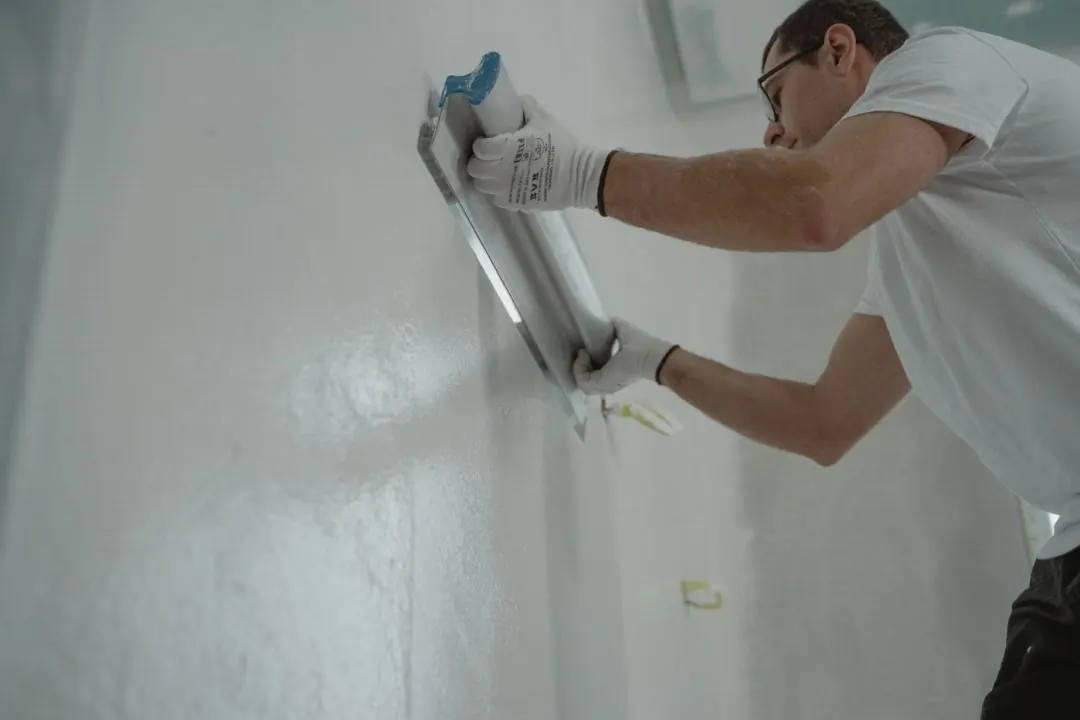
Why drywall patches show
Paint color is only one piece of the match.
Homeowners are often surprised when an “exact match” paint still leaves a visible square. The color may be correct while the surface underneath reflects light differently.
Different porosity
Joint compound absorbs primer and paint differently than an already painted wall. Without proper sealing, the repaired area can look dull or shiny.
Texture mismatch
A perfectly smooth patch still stands out on a lightly textured wall. The texture, roller nap, and application pattern need to agree.
Paint sheen
Higher sheens reflect more light and expose small differences. Flat paint is usually more forgiving, but even flat touch-ups can flash.
Color aging
Paint changes as it ages. Sunlight, cleaning, cooking residue, and normal wear can make a fresh touch-up look different from the original finish.
Austin homes with large windows and open floor plans can be especially unforgiving. Strong daylight grazing across a wall highlights ridges, sanding marks, and texture differences that look invisible straight on.
A paint-ready repair
The process that makes a drywall patch disappear.
Fix the cause
A recurring crack, leak, loose fastener, or door-handle impact needs to be addressed before the surface is patched. Otherwise, the repair is only renting the space.
Build a stable repair
The damaged area is cleaned, secured, patched, taped when necessary, and coated with the right compound. Larger repairs need proper backing and feathering.
Match the surface
Each coat dries before sanding. Edges are feathered wide enough to disappear, and the existing wall texture is recreated before primer.
Prime and finish
Bare compound and drywall paper are sealed with primer. Then the repair is touched up or the wall is painted corner to corner, depending on the finish conditions.
The repair should be judged in normal room lighting before the project is called finished. Looking good while wet or under a work light is not the same as disappearing after everything dries.
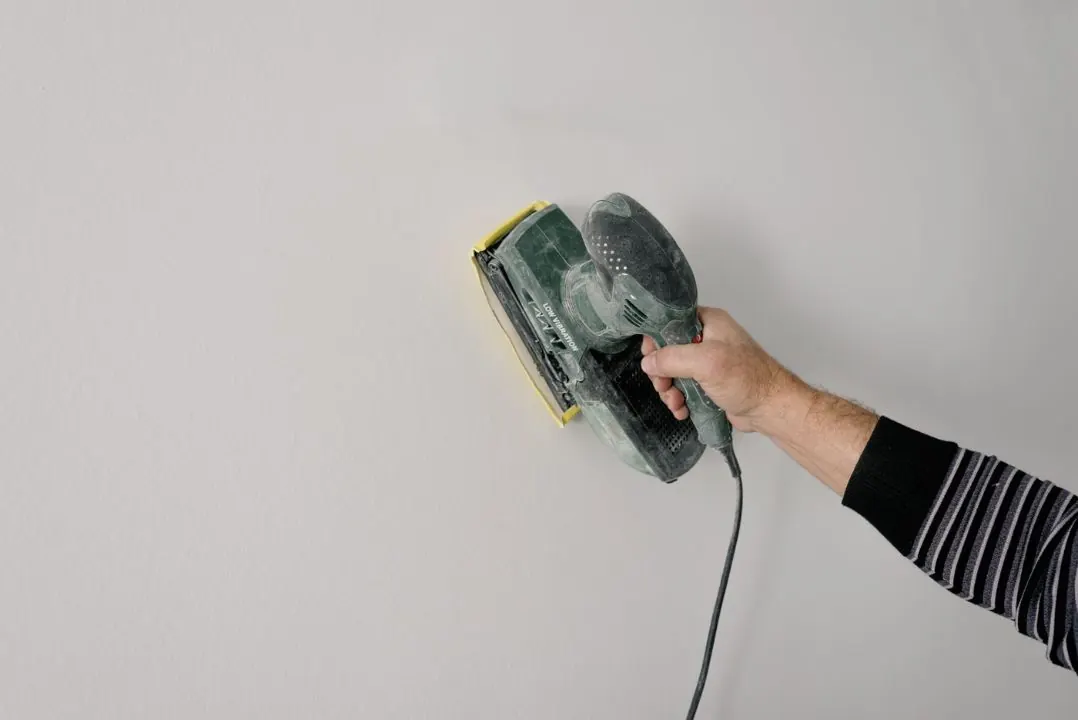
Spot paint or whole wall?
Use the smallest paint scope that will still look intentional.
Spot touch-up
Tiny repairs, newer flat paint, exact leftover product, low-visibility areas, and forgiving lighting.
Paint one wall
Larger patches, visible walls, texture repairs, older paint, side lighting, or several repairs on one surface.
Paint the room
Multiple walls have damage, the color is changing, the existing finish is worn, or a uniform refresh is already part of the plan.
Repainting one wall from corner to corner is often the sweet spot. It avoids repainting the entire room while giving the repaired surface a consistent color, sheen, and roller texture.
DIY or hire a professional?
Small holes are friendly. Recurring damage is not.
A DIY repair may be reasonable when
- The damage is a nail hole, shallow dent, or tiny stable crack.
- The wall is dry, firm, and free of staining.
- You have the correct primer, paint, sheen, and texture method.
- You can accept that a small touch-up may still be visible.
Call a professional when
- The hole is large, on a ceiling, or near a seam.
- The drywall is soft, wet, stained, sagging, or moldy.
- A crack keeps returning after previous repairs.
- The wall has texture or strong lighting that makes blending difficult.
New Life Painting handles common paint-ready drywall repairs as part of interior projects across Austin and Central Texas. Our Austin drywall repair service covers the patch, prep, texture, primer, and finish planning needed for a clean result. For local budgeting, see our guide to drywall repair costs in Austin.
If you are tackling a small repair yourself, the step-by-step guides from Lowe's and The Home Depot offer useful safety and material reminders.
Free Austin estimate
Want the repair to disappear after the paint dries?
Tell us where the damage is, what caused it, and whether you have the original paint. We will recommend the right repair and finish scope without turning one patch into a bigger project than it needs to be.
FAQ
Drywall repair and repainting questions.
Can drywall be repaired without painting?
The drywall itself can be patched without painting, but the finished repair will usually remain visible. Tiny nail holes may accept a careful touch-up, while larger patches normally need primer and paint to blend with the wall.
Can you patch drywall without repainting the whole wall?
Sometimes. A localized touch-up can work when the paint is recent, flat, available in the exact product and color, and away from strong light. Older paint, higher sheens, texture, and larger patches often make a corner-to-corner wall repaint the cleaner choice.
Do drywall patches have to be primed before painting?
Yes, bare joint compound and exposed drywall paper should be primed. Primer seals the porous repair so the finish coat does not absorb unevenly and create a dull or shiny patch.
Why can I still see a drywall patch after painting?
The patch may have a different surface level, texture, porosity, sheen, or roller pattern. Side lighting can reveal even a small ridge or smooth spot, so another coat of paint alone may not solve it.
Will paint hide a bad drywall patch?
No. Paint follows the shape underneath it. Raised edges, low spots, sanding scratches, and mismatched texture should be corrected before primer and paint.
Can I use leftover paint for a drywall touch-up?
Yes, if the paint is still usable and matches the original product and sheen. Stir it thoroughly and test a small area, but remember that the paint already on the wall may have faded or changed over time.
How much does drywall repair cost in Austin?
Austin drywall repair pricing depends on the size, location, texture, access, number of patches, and whether primer and painting are included. A small repair is different from a ceiling patch or a wall with water damage, so an on-site estimate is the reliable way to price it.
Related guides and services