Drywall repair decision guide
Drywall Repair vs Drywall Replacement: Which Do You Need?
Drywall repair is usually right for small, dry, localized damage. Drywall replacement is smarter when the wall is wet, moldy, soft, sagging, crumbling, or damaged across a large area. The real goal is not just hiding the problem. It is getting the wall solid, smooth, and ready for paint.
Quick answer
Patch the wall when the damage is small. Replace it when the drywall itself is compromised.
Here is the thing. Drywall repair and drywall replacement are not competing services. They solve different problems.
A dent, nail pop, small crack, or door-handle hole is usually a repair. A wall section that is wet, swollen, sagging, moldy, or falling apart is a replacement conversation. Painting over weak drywall is like putting a clean shirt on a bad sunburn. It may look better for a minute, but the problem is still there.
For Austin homeowners, the best answer often comes down to moisture, texture, and the final paint finish. If the repair will still scream at you every time sunlight hits the wall, it was not really finished.
Repair or replace?
A simple drywall decision chart.
Use this as a starting point before you request an estimate. A pro still needs to look at moisture, texture, access, paint, and what is happening behind the damage.
What you see
Nail pops, small dents, or tiny screw holes
Best choice
Repair
Why
Small, dry, localized damage usually does not justify removing full drywall sheets.
What you see
Door handle holes or small impact damage
Best choice
Repair
Why
A patch, tape, mud, sanding, texture touch-up, primer, and paint can usually solve it.
What you see
One larger hole in an otherwise solid wall
Best choice
Usually repair
Why
A cut-in patch is often cleaner than replacing a full wall section, as long as the drywall is dry and firm.
What you see
Soft, crumbly, swollen, or sagging drywall
Best choice
Replace
Why
Damaged gypsum will not hold a smooth repair for long. The weak material has to come out.
What you see
Mold growth or repeated moisture staining
Best choice
Replace and fix the source
Why
Paint and patch compound cannot solve an active water problem. The moisture source comes first.
What you see
Long recurring cracks or movement
Best choice
Diagnose first
Why
The wall may need repair, but repeated cracking can point to framing, settling, humidity, or previous poor repairs.
When repair makes sense
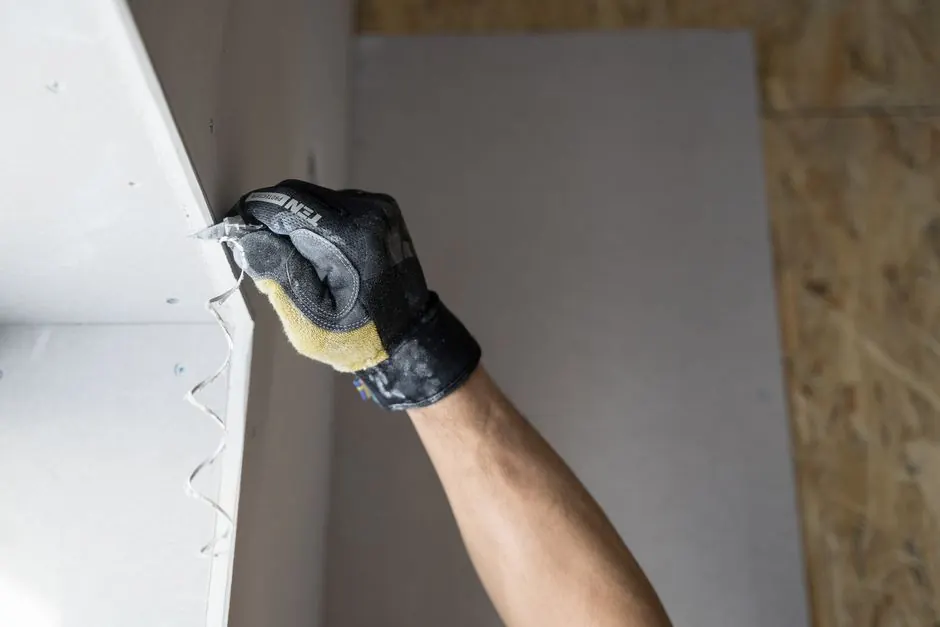
Drywall repair works when the wall is still sound.
Drywall repair is ideal when the damaged area is limited and the surrounding wall is stable. That means the board is dry, firm, and not crumbling around the edges.
The damage is small and contained
The drywall feels firm, dry, and stable
There is no active leak or musty smell
The texture can be blended without rebuilding a large area
The goal is a paint-ready wall, not structural repair
A full wall repaint can hide the repair cleanly
Good repair work usually includes cutting away loose material, securing the patch, taping, mudding, sanding, texture blending, spot priming, and painting. Skip too many of those steps and the patch may technically be repaired, but visually? Not so much.
When replacement is smarter
Replace drywall when the material has lost its strength.
Replacement is not always the expensive option in the long run. If the drywall is weak, wet, or contaminated, patching can turn into repeat visits, cracked seams, bubbling paint, and frustration.
The drywall is soft, swollen, sagging, or crumbly
Water damage keeps coming back
Mold is visible or suspected inside the wall cavity
The damaged area is large or spread across multiple panels
The paper face is delaminating or bubbling
Previous patches keep cracking in the same place
In those cases, the clean route is to remove the compromised section, check the source of the problem, install fresh drywall, finish the seams, texture if needed, prime, and paint.
Water damage and mold
Moisture changes the whole conversation.
Austin homes deal with roof leaks, plumbing leaks, AC condensation, humidity, storm-driven rain, and sprinkler overspray. If the drywall got wet and dried quickly, repair may still be possible. If it stayed wet or feels soft, replacement is usually safer.
The EPA recommends fixing moisture problems as part of mold cleanup because mold needs water to grow. That is the key. Do not patch and paint until the leak is handled.
If your home was built before 1978, repair work can also raise lead-safe renovation concerns. The EPA Renovation, Repair and Painting Program is worth knowing before sanding or disturbing old painted surfaces.
Paint-ready finish
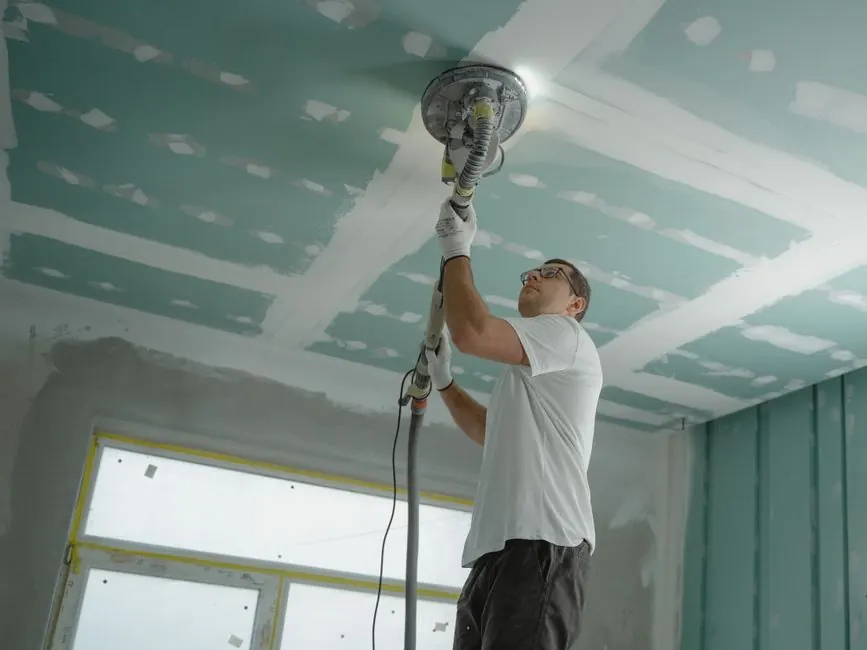
The repair is only done when it blends after paint.
This is where a lot of drywall jobs go sideways. The patch looks fine while it is dusty and unfinished. Then primer and paint go on, sunlight hits the wall, and every edge shows.
Texture, primer, sheen, lighting, and paint age all affect the final look. Sometimes a small spot touch-up works. Other times, repainting the full wall from corner to corner is the only way to make the repair disappear in normal room lighting.
Ask for a paint-ready scope.
If you are hiring someone, ask whether the quote includes sanding, texture blending, primer, paint, and cleanup. The wall should look finished, not just patched.
DIY or call a pro?
Small cosmetic repairs can be DIY. Finish-sensitive repairs deserve a closer look.
If you are fixing a tiny nail hole behind a door, DIY may be perfectly fine. If the repair is in a highly visible living room, ceiling, stairwell, kitchen, or entry area, the finish matters a lot more.
Before you hire, ask these questions:
- Is the drywall dry and structurally sound?
- Does the estimate include texture, primer, and paint?
- Will the whole wall need to be painted from corner to corner?
- How will dust, floors, furniture, and nearby surfaces be protected?
- What happens if hidden moisture or mold is found?
- Will the finished repair be ready for inspection in normal room lighting?
If you want local pricing after you decide repair or replacement, our Austin drywall repair cost guide breaks down common patch, texture, ceiling, and paint-ready ranges.
Helpful planning links
Free Austin estimate
Want the drywall fixed and finished cleanly?
Tell us what happened, where the damage is, and whether you want paint included. We will help you decide whether repair or replacement makes more sense before you spend money on the wrong fix.
FAQ
Drywall repair vs replacement questions.
Is it better to repair or replace drywall?
It is better to repair drywall when the damage is small, dry, and localized. Replacement is the better choice when drywall is wet, moldy, sagging, soft, crumbling, or damaged across a large section.
How big of a drywall hole can be repaired?
Many holes can be repaired if the surrounding drywall is solid. Small holes, door handle damage, and even some larger cut-out patches can be repaired, but widespread damage may be cleaner to replace.
Should water-damaged drywall always be replaced?
Not always, but soft, swollen, moldy, or repeatedly stained drywall usually needs replacement. The leak or moisture source should be fixed before any repair or paint work starts.
Can drywall repair be painted to match?
Yes, but the cleanest result often depends on texture, primer, sheen, lighting, and paint age. If the existing paint is older, repainting the full wall from corner to corner usually blends better than a tiny touch-up.
Can painters handle drywall repair?
Many painting companies handle paint-ready drywall repairs, especially patches, dents, nail pops, cracks, and texture touch-ups. New Life Painting can repair common drywall issues before interior painting.
How do I know if drywall has mold behind it?
Musty smells, recurring stains, soft drywall, recent leaks, and visible spots can all be warning signs. If mold or hidden moisture is suspected, the source should be addressed before closing or painting the wall.
How much does drywall repair cost in Austin?
Small drywall repairs in Austin are often less expensive than replacement, but texture, sanding, primer, paint, ceiling access, and multiple patches can change the price. For local ranges, read our Austin drywall repair cost guide.
Related guides and services