Texas painted brick guide
Should You Paint a Brick House in Texas?
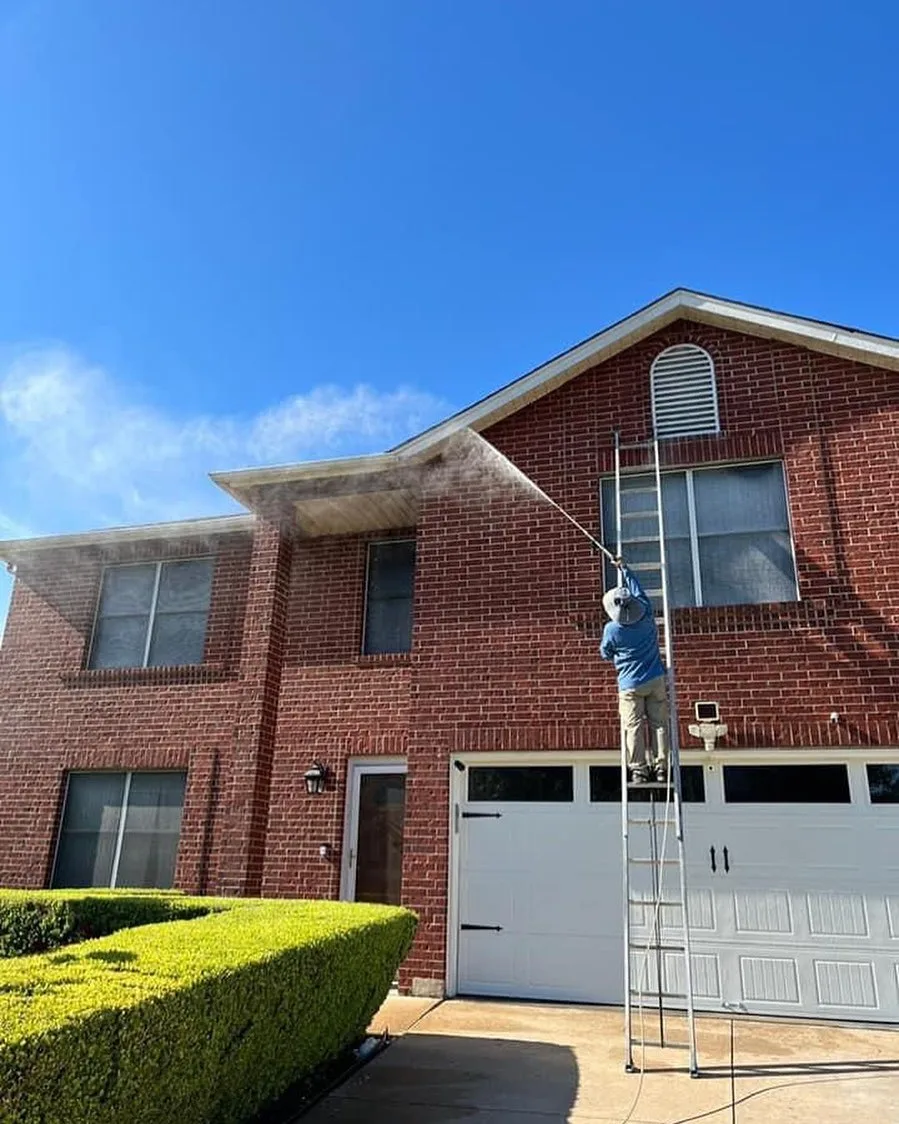
Yes, you can paint a brick house in Texas—but only when the masonry is a good candidate, moisture problems are handled, and you are comfortable turning bare brick into a maintained painted surface. The color is the fun part. The wall condition is the part that decides whether the project lasts.
Quick answer
Paint brick for a reason—not just because white is trending.
Painting exterior brick can create a clean, unified look and dramatically change curb appeal. It can also cover brick you will never get back without difficult, expensive removal. Once bare brick is painted, you have signed up for cleaning, touch-ups, and future repainting.
Here's the thing: healthy bare brick is already a durable finish. If you like it and it is performing well, leaving it alone may be the smartest choice. Painting makes more sense when you truly want a solid-color exterior, need to unify mismatched masonry or repairs, or are maintaining brick that is already painted.
Big benefit
A complete curb-appeal change
Big risk
Coating over unresolved moisture
Best first step
Inspect the masonry and drainage
Start with the wall
Is your brick actually a good candidate for paint?
Color samples cannot answer that question. A useful inspection looks at the brick face, mortar joints, previous repairs, weep holes, roof and gutter runoff, sprinklers, stains, and any existing coating. Paint should never be used to hide a wall problem.
Good signs
The brick and mortar are sound, stable, and free of active leaks
The wall has a clear drainage path and open weep holes where present
Efflorescence, mildew, or stains have been diagnosed before coating
Repairs and mismatched brick make a unified finish genuinely useful
The exterior is already painted and needs a properly prepared repaint
You understand that painted brick becomes an ongoing maintenance surface
Reasons to pause
Loose, spalling, crumbling, or deeply cracked brick
Persistent white mineral deposits or unexplained moisture stains
Blocked weep holes, failed flashing, leaking gutters, or irrigation problems
Fresh masonry repairs that have not had enough time to cure
Historic or distinctive brick you may want to restore later
A plan based only on color, with no inspection of the wall itself
The honest tradeoff
Pros and cons of painting a brick house.
Why homeowners paint brick
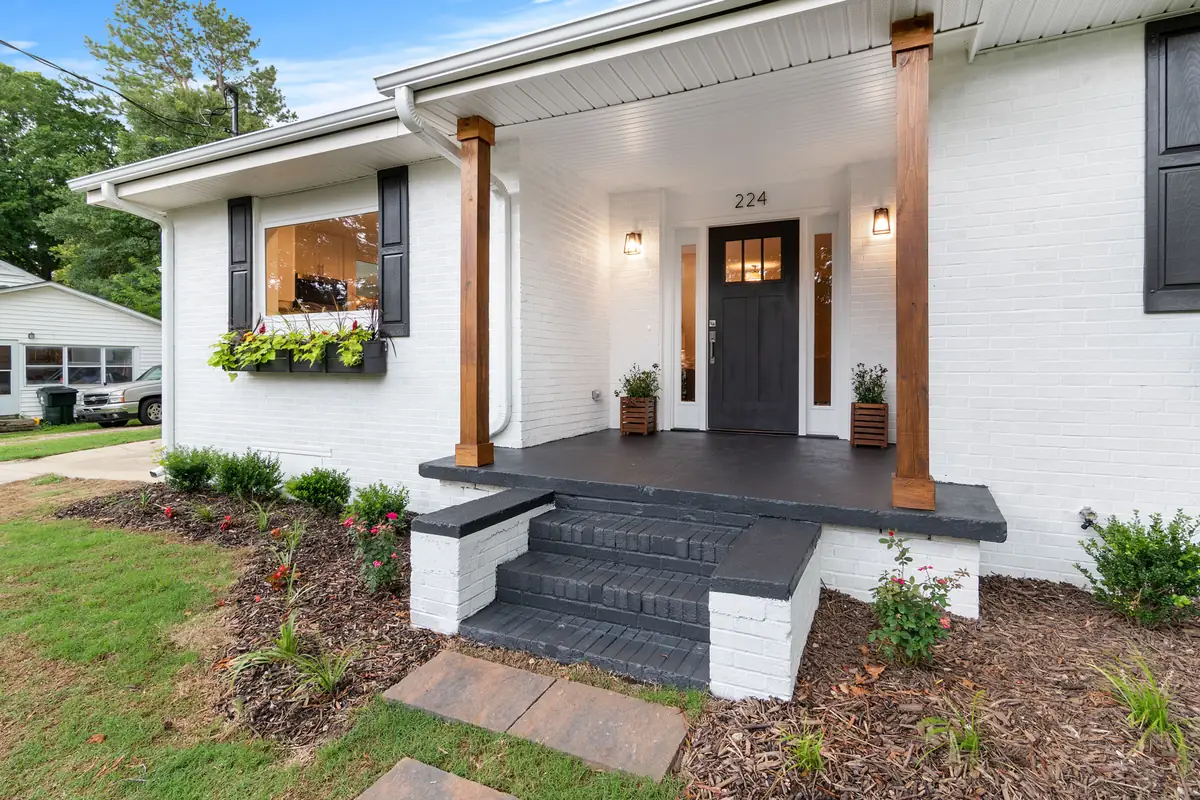
- Major visual change. A solid color can make a dated or busy exterior feel calmer and more current.
- A more unified facade. Paint can visually connect brick, repairs, trim, garage doors, and additions.
- Flexible color planning. Body, trim, doors, roof, stone, and landscaping can become one intentional palette.
- A practical repaint path. Brick that is already painted usually needs maintenance rather than a fantasy of easy removal.
What you give up
- The original brick. Removing paint later is difficult and can damage the masonry.
- Low-maintenance bare masonry. Painted brick becomes a coating you must inspect, clean, and eventually repaint.
- Room for weak prep. Texture, mortar joints, pores, and repaired areas expose shortcuts quickly.
- Tolerance for water problems. Coating over active moisture can create peeling, staining, or masonry damage.
The internet likes a simple yes or no. Brick does not. The right answer depends on the wall, the water, the previous work, and whether you will still like the decision after the trend cycle moves on.
Austin and Central Texas
Texas weather changes the brick-painting plan.
Austin-area brick deals with hard UV, hot surface temperatures, sudden rain, wind-driven dust, humidity swings, and irrigation overspray. South- and west-facing walls can heat up and fade faster, while shaded walls may stay damp longer after rain or washing.
That affects cleaning, dry time, product choice, application windows, color, and the order of work. A dark color can absorb more heat. A bright white can show dust, mildew, and sprinkler staining sooner. Neither is automatically wrong; both need realistic expectations.
Plan around exposure, not the weather app alone.
Air temperature is only part of the story. The brick surface can be much hotter in direct sun, and deep mortar joints may hold moisture longer than the brick face looks wet. Product instructions and real surface conditions should control the schedule.
Prep and coatings
A brick paint job is won before the first finish coat.
Pressure washing alone is not full prep. It may be one cleaning method, but the wall still needs inspection, appropriate cleaning, repairs, complete dry time, protection, and a compatible coating system. High pressure in the wrong hands can damage mortar or drive water deeper into the wall.
Inspect and diagnose
Check brick, mortar, stains, previous coatings, drainage paths, flashing, gutters, and nearby irrigation.
Clean for the actual contamination
Dirt, chalk, mildew, efflorescence, and loose coating do not all need the same cleaning approach.
Let the masonry dry
Brick and mortar are porous. The surface can look dry before deeper joints are ready for primer or paint.
Complete repairs first
Loose mortar, cracks, failed sealant, and water-entry points should be corrected and allowed to cure as required.
Choose a masonry-compatible system
Match primer and finish products to the brick, exposure, existing coating, and manufacturer instructions.
Build even coverage
Textured brick and recessed joints need careful application, back-rolling or brushing where appropriate, and honest coat coverage.
Inspect the finished wall
Check joints, edges, transitions, protected openings, weep holes, cleanup, and final color consistency up close.
What do manufacturers say?
Acme Brick's current technical bulletin says only suitable brick should be painted and recommends breathable, mineral-based exterior masonry products for the brick covered by its guidance. Sherwin-Williams also emphasizes cleaning brick and allowing it to dry completely before paint. Those are good reminders that the substrate and product instructions—not a generic social-media recipe—should drive the job.
Not every update needs solid paint
Compare paint with limewash, stain, and targeted updates.
If you want to soften red or orange brick without a fully opaque finish, other masonry systems may fit better. Limewash, mineral coatings, and brick stains behave and look different from conventional solid-color paint. Their suitability still depends on the masonry and manufacturer requirements.
Solid-color masonry paint
Best for a uniform color change. It creates an ongoing painted-surface maintenance commitment.
Limewash or mineral finish
Can create a softer, dimensional look. Coverage and weathering are part of the aesthetic.
Masonry stain
Changes color while preserving more brick variation. Product compatibility and sample testing matter.
Paint the supporting details
Fresh trim, doors, garage doors, shutters, and siding may update the facade without coating the brick.
Clean and repair only
Sometimes the best-looking brick is healthy brick with corrected stains, mortar, gutters, and landscaping.
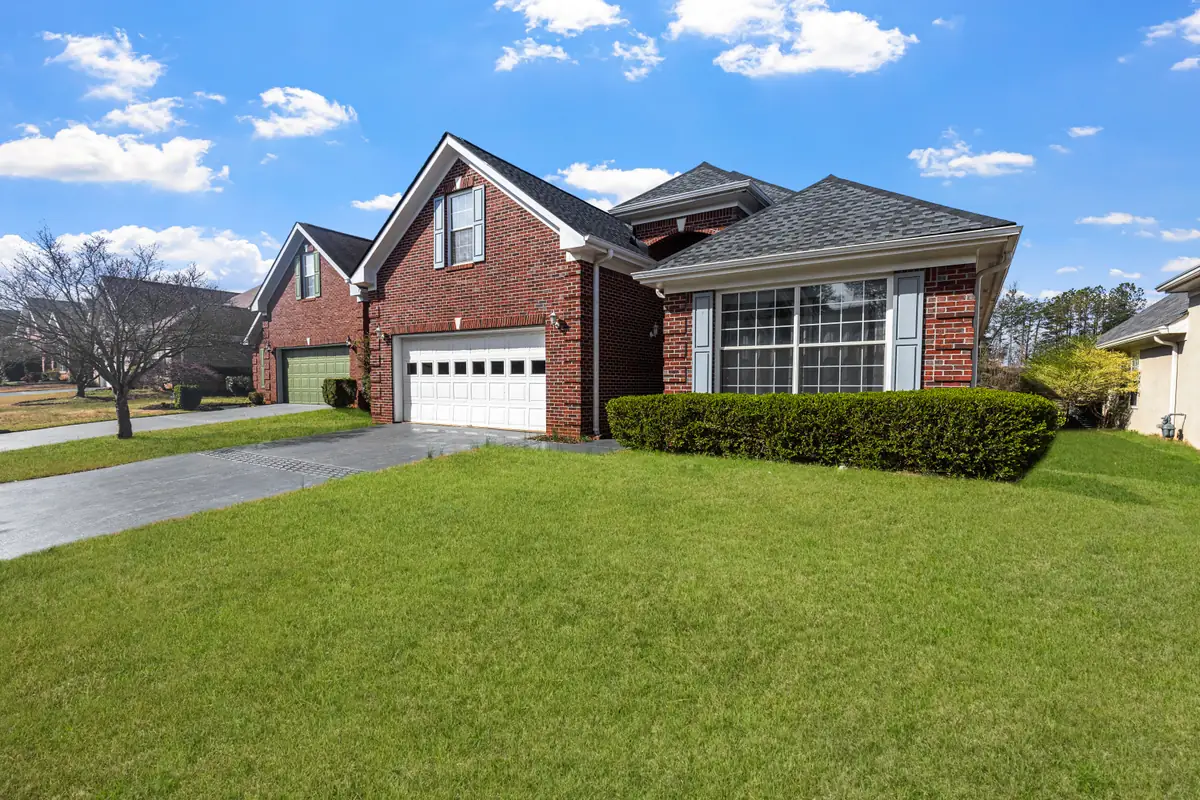
Keep natural brick
A strong choice when the masonry is attractive, distinctive, historic, or simply not worth turning into a maintenance surface.
Compare the scope, not just the total
Questions to ask before hiring a brick painter.
Two brick-painting estimates can have similar totals and completely different plans underneath. The lowest number gets expensive fast if it skips moisture, mortar, protection, primer, or coverage in deep joints.
For broader budgeting factors, review our guide to exterior painting cost in Austin. If you are still deciding on the contractor, use our painting contractor comparison checklist.
A note for older painted homes
Existing paint can change the safety plan.
If a pre-1978 home has existing painted surfaces that will be disturbed, lead-safe requirements may apply. The EPA recommends using trained, certified professionals for renovation, repair, and painting work that can create lead-contaminated dust. Do not dry-scrape or sand unknown old paint just to see what is underneath.
EPA guidance for homeownersPainted brick FAQ
Brick painting questions, answered.
Should you paint a brick house in Texas?
Painting a brick house can make sense when the masonry is sound, moisture can escape correctly, and you want a long-term color change. It is not automatically the right move for every wall, so the brick, mortar, drainage, previous coatings, and exposure should be inspected first.
Can painting brick trap moisture?
The wrong coating or unresolved water problem can reduce drying and contribute to peeling or masonry damage. That is why active leaks, efflorescence, blocked drainage paths, damaged mortar, and product compatibility must be addressed before paint is applied.
What kind of paint should be used on exterior brick?
Use a coating system specifically approved for exterior masonry and compatible with the brick, mortar, climate, and any previous coating. Product selection should follow the brick and coating manufacturers' current instructions rather than a generic one-paint-fits-everything rule.
How long does painted brick last in Texas?
A properly prepared painted-brick exterior may last for years, but full-sun elevations, moisture, sprinklers, dirt, color choice, and the previous coating all affect the maintenance cycle. Inspect painted brick annually and address small failures before they spread.
Can you repaint brick that is already painted?
Often, yes, if the existing coating is well bonded and compatible with the new system. Peeling, chalking, trapped moisture, failed patches, and unknown coatings require closer evaluation before a repaint can be trusted.
Is limewash or brick stain better than paint?
It depends on the brick and the look you want. Limewash, mineral coatings, and masonry stains can create different levels of opacity and breathability, while paint gives a more uniform solid-color finish. Test the system on the actual brick before committing.
How much does it cost to paint a brick house in Austin?
Cost depends on paintable area, height, access, brick texture, mortar condition, cleaning, repairs, existing coatings, protection, products, and coat count. A useful estimate should explain the preparation and coating system instead of giving one flat number without seeing the house.
Free Austin exterior estimate
Thinking about painting your brick?
We'll inspect the brick, mortar, moisture clues, previous coatings, and exposure before recommending paint—or telling you the masonry is better left alone. You'll get a clear scope for your Austin-area home before you commit.
Reviewed by New Life Painting
New Life Painting is a family-owned, insured Austin-area painting company serving residential and commercial clients with free estimates, premium materials, clean crews, and English or Spanish communication.
Keep planning