Austin fence finish guide
Should You Paint or Stain a Fence?
If your fence is bare or already stained, stain is usually the better choice for a natural wood look and easier maintenance. If the fence is already painted or you want a solid color that hides uneven wood, paint may be the smarter move.
Quick answer
Stain for natural wood. Paint for solid color and coverage.
That is the simple version. The real answer depends on what is already on the fence, how weathered the wood is, how much sun it gets, and whether you want to show wood grain or create a clean, solid color.
Here is the thing: you usually do not get to choose from a blank slate. The fence tells you what it can handle. Bare cedar may love stain. A previously painted fence with peeling areas may need serious prep before any finish looks good.
Use stain when
Wood is bare or previously stained
Use paint when
You want a solid color or full coverage
Pause first when
Boards are rotten, damp, or peeling
Paint vs stain
Fence paint vs fence stain: the practical comparison.
Both can protect a fence. Both can look great. Both can fail early if the fence is dirty, damp, or poorly prepped. The difference is how they look, how they bond, and how they age in Central Texas weather.
Best look
StainNatural wood grain, softer color, outdoor warmth
PaintSolid color, crisp coverage, stronger style change
Best surface
StainBare or previously stained wood in decent condition
PaintPreviously painted fences or fences needing full color coverage
Prep needs
StainClean, dry wood that can absorb stain evenly
PaintMore scraping, sanding, priming, and masking if old coating is failing
Maintenance
StainUsually easier to refresh because it tends to wear more gradually
PaintCan last well, but peeling paint needs more repair before recoating
Austin weather fit
StainGood for fences exposed to heat because it can move with wood better
PaintWorks when prep is strong and the coating system is chosen carefully
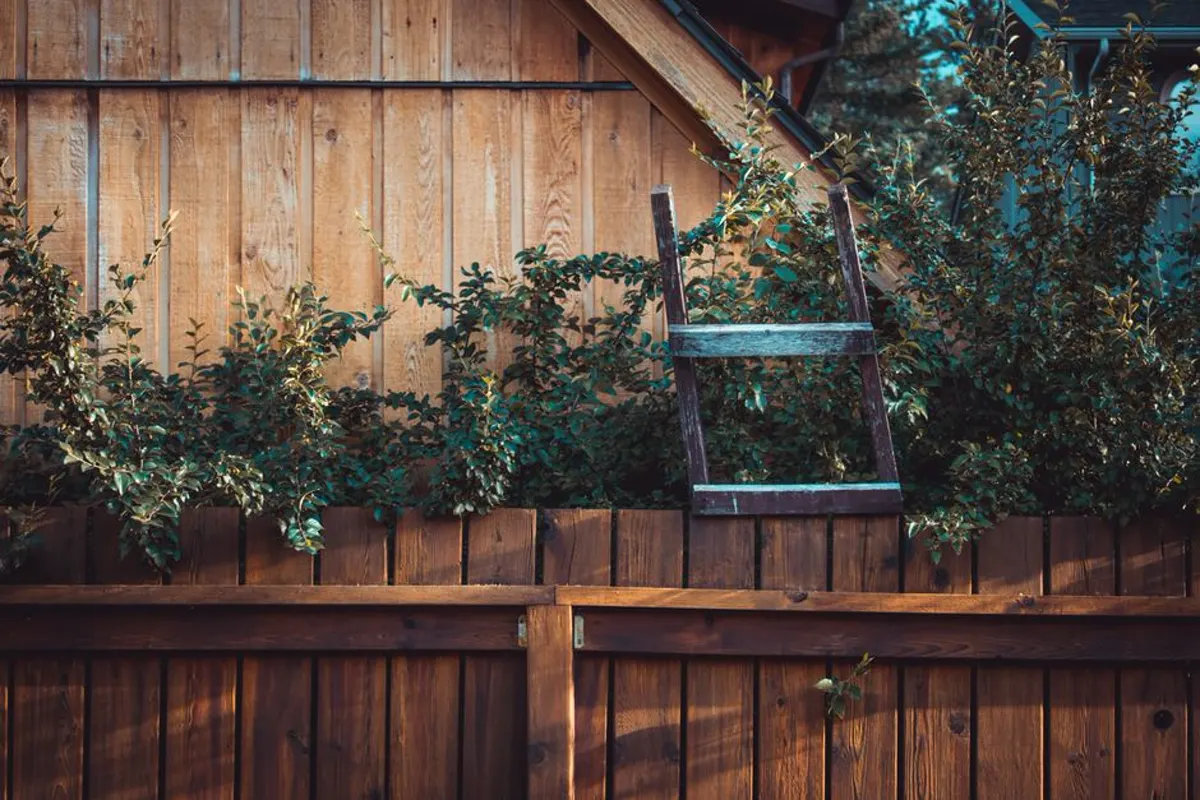
Stain is often the cleaner long-term choice when the wood is still natural enough to absorb it evenly.
When stain makes sense
Stain is usually best for natural wood fences.
Stain soaks into the wood instead of sitting only on top like a film. That can be helpful for fences because wood expands, contracts, dries out, and gets absolutely roasted by Austin sun.
- The fence is bare cedar, pine, or previously stained wood
- You want the wood grain to show
- The fence is in good shape with minimal cracking or rot
- You prefer easier future maintenance
- The fence gets heavy sun exposure and needs a breathable finish
When paint makes sense
Paint is better when you need a solid, uniform finish.
Paint can look sharp on a fence, especially when you want a clean color that coordinates with trim, siding, gates, or a modern exterior palette. It is also often the practical choice when the fence was already painted.
The catch? Paint is less forgiving when prep is weak. If old paint is peeling, a new coat will not politely fix it. It will eventually reveal every shortcut. Paint has receipts.
The fence was already painted
You want a clean solid color
The wood has uneven color that stain will not hide
You need to match trim, siding, gates, or HOA requirements
You are comfortable with more prep now for a more uniform finish
Texas weather
Austin heat changes the decision.
Fences in Austin, Leander, Cedar Park, Round Rock, Georgetown, and the rest of Central Texas deal with brutal UV exposure, humidity swings, sprinkler overspray, heavy rain, dry spells, and plenty of dust.
South and west-facing fence runs usually age faster because they catch stronger afternoon sun. Shaded areas may hold moisture longer, which can feed mildew and slow down dry time before coating.
The best finish is not just the prettiest color. It is the finish that matches the wood condition, exposure, and maintenance plan. For broader exterior planning, read our guide to the best exterior paint for Texas heat.
Full sun
Expect faster fading and more frequent maintenance.
Sprinklers
Overspray can cause stains, mildew, and coating wear.
Shade
Moisture can linger, so dry time and mildew prep matter.
Prep checklist
Prep matters more than the paint-or-stain debate.
A great product over bad prep is still a bad job. Fence coating success starts before the first brush, roller, or sprayer comes out.
Confirm ownership and rules
Before coating a fence line, make sure you know which side is yours, whether a neighbor shares it, and whether an HOA has color or finish rules. Boring? Yes. Useful? Very.
Clean it properly
Dirt, mildew, sprinkler residue, and gray oxidation can block stain or paint from bonding. Cleaning matters, but pressure washing alone is not full prep.
Let the wood dry
Fence coating over damp wood is asking for trouble. In Austin, dry time depends on shade, humidity, rain, and how aggressively the fence was washed.
Repair bad boards first
Paint and stain are not carpentry in a can. Replace rotten pickets, tighten loose boards, and fix gates before the finish coat goes on.
Scrape, sand, or prime where needed
Old peeling paint needs more than a hopeful topcoat. Failing coating should be removed or stabilized so the next finish has a real chance.
Protect landscaping and property
Plants, patios, rock beds, pools, neighboring property, and metal hardware need protection. A good finish should improve the fence, not decorate everything around it.
For product-specific guidance, Sherwin-Williams has a useful overview on staining a deck or fence. Benjamin Moore also explains exterior stain color and finish planning in its exterior stain resources.
Cost and maintenance
Which is cheaper: painting or staining a fence?
Staining is often less expensive when the fence is in good shape because it may require less primer and less film-build coverage. Painting can cost more when the old coating is failing or when a strong color change needs extra prep.
But the cheapest option on day one is not always the cheapest option over five years. If stain fits the wood, it can be easier to maintain. If the fence is already painted, forcing a stain job may create more labor than it saves.
For realistic Austin pricing, read our fence painting cost in Austin TX guide, or visit our fence painting Austin TX service page if you want a project-specific estimate.
Free Austin estimate
Not sure whether your fence needs paint or stain?
Tell us about your fence condition, existing coating, sun exposure, and the look you want. We will help you choose the right prep and finish without pushing you into the wrong project.
FAQ
Paint or stain fence questions.
Should you paint or stain a fence?
Stain is usually better for bare or previously stained wood when you want a natural look and easier maintenance. Paint is better when the fence is already painted, needs a solid color, or has uneven wood that stain will not hide.
Is it better to paint or stain a wood fence in Texas?
In Texas heat, stain is often a strong choice for natural wood because it can handle wood movement and future maintenance more gracefully. Paint can still work well, but prep, primer, and coating quality matter a lot.
Does fence paint last longer than stain?
Paint can last a long time when applied over a properly prepared surface, but peeling paint is harder to maintain later. Stain may need refreshing sooner in some exposures, but it often wears more naturally and is easier to recoat.
Can you stain over a painted fence?
Usually not without removing the paint first. Stain needs to penetrate the wood, and paint creates a film that blocks absorption. If the fence is already painted, repainting or using a solid coating is often more realistic.
Can you paint over a stained fence?
Yes, but the fence needs proper cleaning, dry time, and often primer. Oil-based stains, mildew, weathered wood, and uneven absorption can all affect how paint bonds.
How often should you stain a fence in Austin?
Many fences need stain maintenance every 2 to 4 years, depending on sun exposure, sprinkler overspray, wood type, stain type, and prep. South and west-facing runs usually fade faster.
What is the cheapest way to refresh a fence?
If the wood is in decent shape, cleaning and staining may be the most cost-effective refresh. If the fence has rot, peeling paint, or major color issues, skipping prep to save money usually costs more later.
Related guides and services