Austin new-build painting guide
New Construction Painting Process: Austin Timeline & Checklist
The new construction painting process starts after surfaces are dry, ready, and coordinated with the other trades. A clean sequence is inspect, protect, prime, correct defects, apply finish coats, and complete a final punch list. Get that order wrong and a beautiful paint job can turn into a week of repairs and touch-ups.
Quick answer
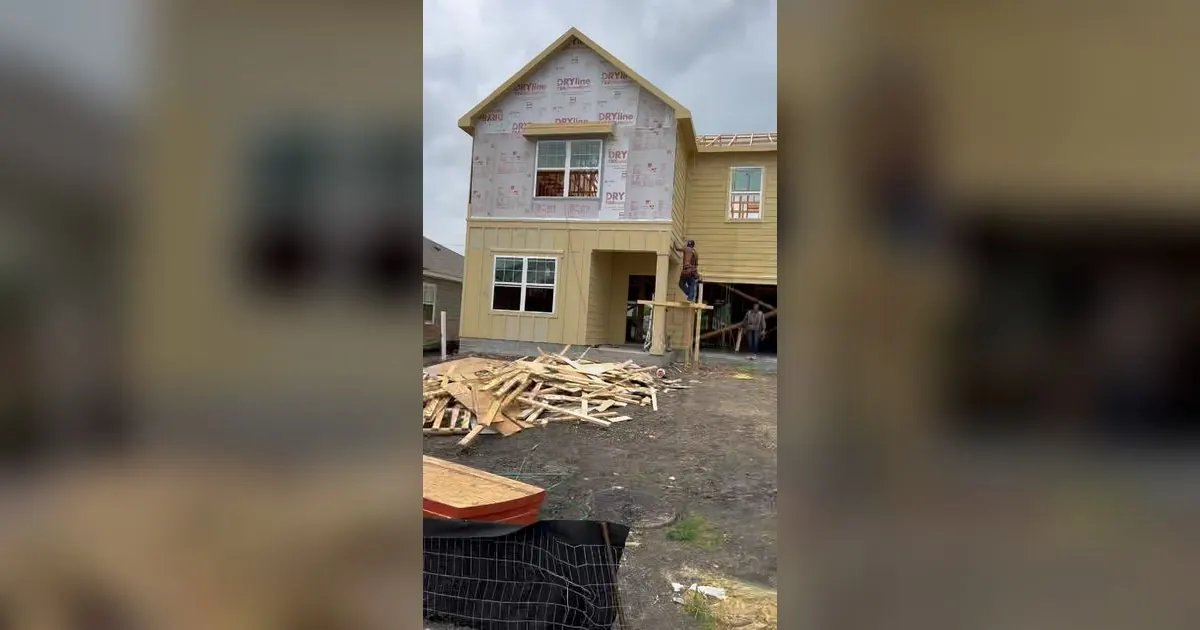
Painting is a construction phase, not one final visit.
New construction painting usually happens in several mobilizations. The crew may prime and complete early coats while rooms are open, return after trim or cabinets are installed, and finish with a punch list after the other trades are substantially done.
Here's the thing: the lowest bid can become the expensive one if it ignores primer, post-primer repairs, trade damage, detailed millwork, or the final touch-up visit. A good Austin new construction painting scope explains what happens, when it happens, and who owns each correction.
Before paint starts
Is the new construction site ready for painters?
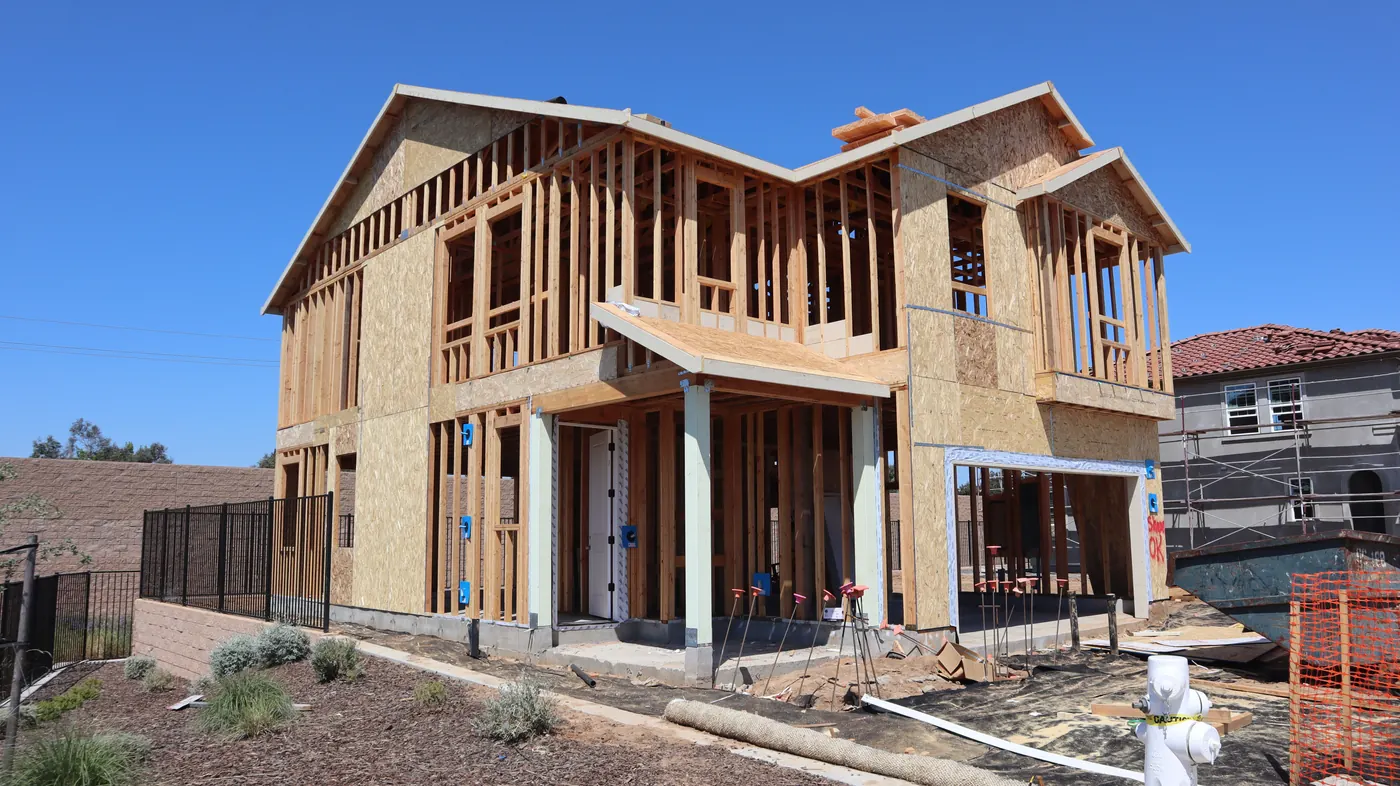
A painter arriving too early does not speed up the build. It creates waiting, remobilization, dust in wet coatings, and finger-pointing later. Use this readiness checklist before the start date is locked.
The building is dried in, weather-tight, and reasonably climate-controlled.
Drywall hanging, taping, mudding, texture, and sanding are complete and dry.
Construction dust and debris are removed from rooms scheduled for painting.
Approved colors, sheens, products, and room-by-room selections are documented.
The painter knows which trim, doors, cabinets, built-ins, and exterior surfaces are included.
Flooring, cabinet, fixture, and final electrical schedules are coordinated with painting.
Water, power, lighting, ventilation, access, and secure material storage are available.
Responsibility for damage, change orders, and final touch-ups is clear.
New drywall deserves special attention. Joint compound, texture, and repairs must be dry, and dust has to be removed before primer. Primer can reveal defects, but it cannot magically flatten bad seams or rebuild damaged corners. If corrections are needed, coordinate them with the drywall contractor or an experienced Austin drywall repair team before finish coats begin.
Step-by-step process
The eight stages of new construction painting.
Every builder has a preferred production system, but professional new-build painting usually follows these eight stages. The goal is a smooth flow from bare material to a clean, documented handoff.
Confirm the scope and sequence
The painter reviews plans, finish schedules, substrates, colors, sheens, products, access, and target dates. This is where exclusions get caught before they turn into expensive surprises.
Inspect and clean the surfaces
Drywall, ceilings, trim, doors, siding, and masonry are checked for dust, damage, moisture, rough sanding, open joints, nail holes, and unfinished details. Paint should never be asked to repair construction work.
Mask, protect, and stage
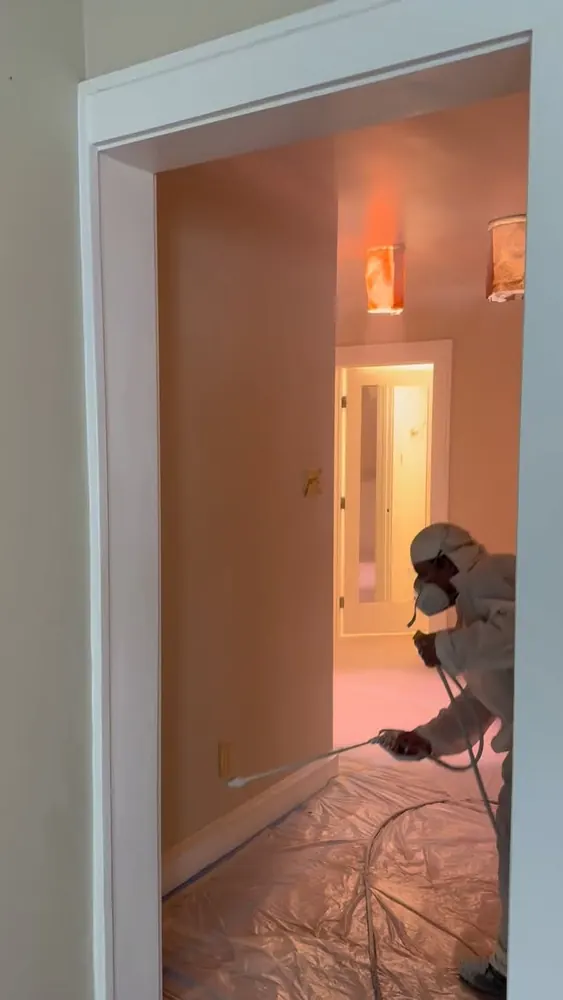
Windows, glass, hardware, finished surfaces, and adjacent work are protected. Spraying areas are isolated, materials are staged, and the crew confirms safe access before production starts.
Prime new drywall and bare materials
New drywall receives a compatible primer so paper and joint compound absorb finish paint evenly. Bare wood, masonry, metal, stains, and specialty surfaces need primers selected for those materials.
Inspect after primer
Primer makes flaws easier to see. The crew checks walls and ceilings under working light, marks defects, sands raised fibers, completes repairs, and spot-primes corrected areas before finish paint.
Paint ceilings, walls, and early-access areas
The order varies, but ceilings and first wall coats are often completed while rooms are open. Areas behind cabinets, vanities, shelving, or fixtures are handled before access disappears.
Finish trim, doors, and final wall coats
Installed millwork is filled, sanded, caulked, primed where needed, and painted. Final wall coats are completed after the dustiest trades are done and the risk of fresh damage is lower.
Complete punch-list work and handoff
The painter reviews coverage, color, sheen, lines, repairs, overspray, drips, and trade damage. Approved corrections are completed, touch-up materials are labeled, and the project is cleaned for turnover.
Why post-primer inspection matters
Bare drywall can hide pinholes, sanding scratches, ridges, fuzzy paper, and uneven joint compound. Primer makes those defects easier to spot under light. Skipping that inspection is how small problems end up preserved under every finish coat.
New-build schedule
A practical new construction painting timeline.
This is a sequence, not a promise that every home takes the same number of days. A production home and a custom home with beams, built-ins, detailed trim, and multiple colors are completely different painting projects.
Pre-paint planning
Before drywall finish is complete
Scope, products, colors, finish schedule, access, and trade coordination.
Drywall readiness
After mud, texture, and sanding dry
Dust removal, defect review, masking, primer, and post-primer inspection.
Early production
Before sensitive finishes fill the space
Ceilings, first wall coats, closets, and areas behind future installations.
Finish work
After trim and major installations
Millwork, doors, final wall coats, detailed cut lines, and corrections.
Closeout
After other trades substantially finish
Punch list, trade-damage touch-ups, cleanup, labels, and final walkthrough.
For budget planning, keep the timeline separate from the price. Our Texas new construction painting cost guide explains how size, trim, height, specifications, access, and repeated mobilizations affect an estimate.
Trade coordination
What gets painted before cabinets, flooring, and fixtures?
There is no universal answer for every surface, but there should be a written answer for your project. Painters often complete ceilings, primer, early wall coats, closets, and areas behind future cabinets while access is open. Final wall coats and detailed touch-ups make more sense after the dustiest installations are finished.
Cabinets and built-ins
Paint concealed wall areas first. Coordinate field-finished cabinets separately so overspray, cure time, hardware, and adjacent surfaces are protected.
Flooring and baseboards
Early paint phases can happen before finished floors. Baseboard prep and finish depend on whether trim is installed before or after hard flooring or carpet.
Electrical and fixtures
Rough-ins should be complete, but final cover plates and delicate fixtures are easier to protect when installed after major spray and wall-painting phases.
The biggest schedule killer is stacking too many trades in one room. Drywall dust, sawdust, tile cutting, cabinet installation, and wet paint are not great roommates. A clear room-release plan lets each crew finish instead of repeatedly repairing someone else's damage.
Central Texas conditions
Where exterior painting fits into an Austin build.
Exterior painting can begin once the building envelope and paintable substrates are ready, dry, and accessible. Windows, roofing, flashing, siding, stucco, fascia, soffits, and trim must reach the correct stage. Masonry and stucco may require curing time before paint.
Austin heat changes the daily plan. Air temperature is only part of the story; a west-facing surface can be far hotter than the forecast. Wind, rain, humidity, overnight dew, and the product's approved application range all matter. Good crews follow the coating manufacturer's technical data instead of forcing the schedule.
Exterior access should be planned before landscaping, fences, and flatwork make ladders or lifts difficult. Our Austin exterior painting service covers Central Texas exposure, while the interior painting team coordinates walls, ceilings, trim, doors, and finish work.
Quality control
What a new construction paint inspection should check.
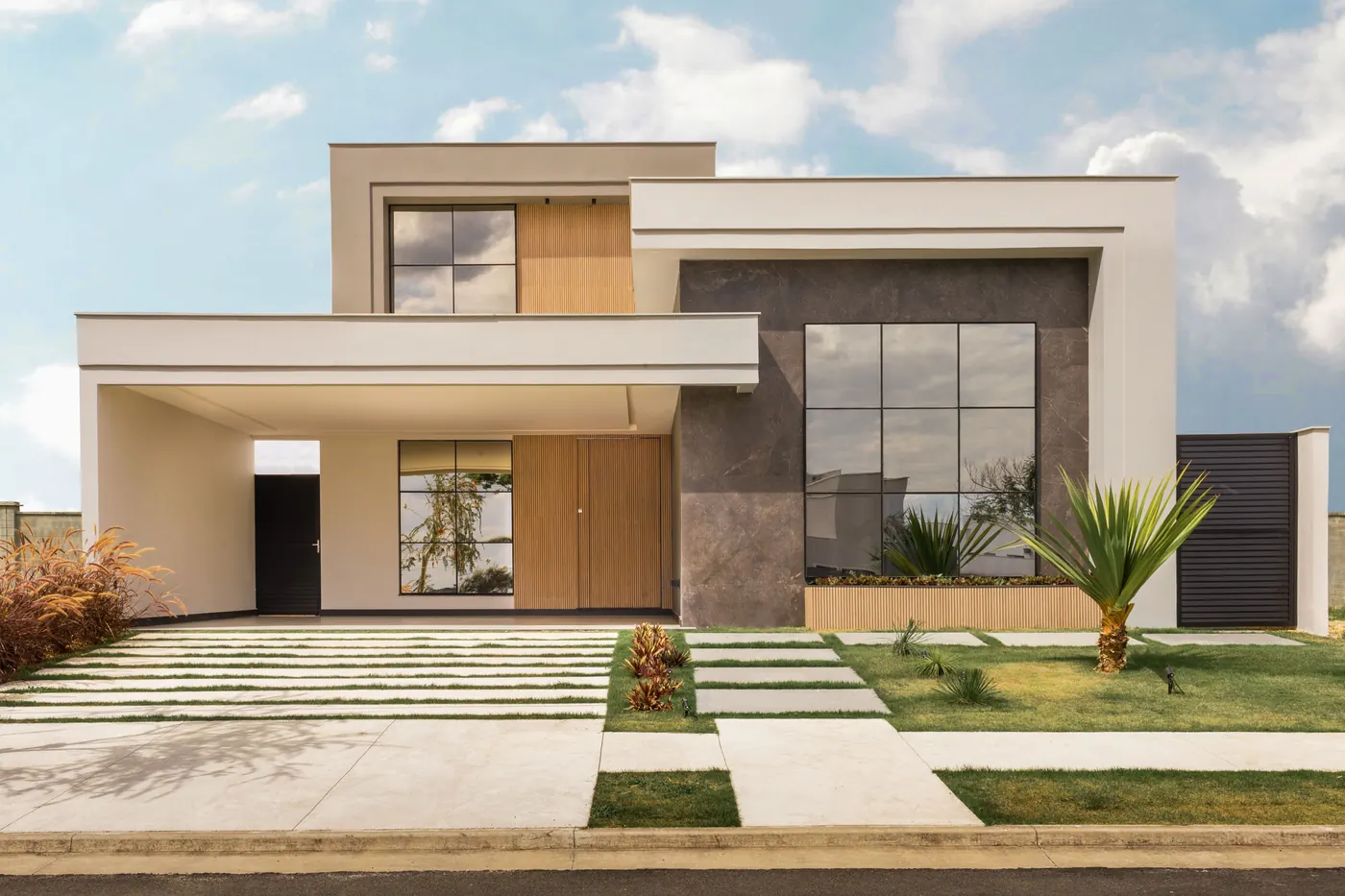
Inspect under normal room lighting and with targeted light where needed. The goal is to catch problems a homeowner, builder, or tenant will notice in normal use.
- Consistent color, sheen, and coverage
- Clean cut lines at ceilings, trim, and transitions
- Smooth repaired areas without obvious flashing
- No missed primer, bare spots, runs, drips, or overspray
- Filled nail holes and properly finished caulk joints
- Clean doors, frames, closets, and detailed millwork
- Protected glass, hardware, floors, counters, and fixtures
- Correct colors and products in each documented room
- Touch-ups viewed after drying, not while still wet
- Labeled leftover paint and recorded formulas for future repairs
One-coat promises deserve questions. Coverage is not the only measure. Uniform sheen, durability, film build, touch-up behavior, and the written specification still matter.
Closeout
Plan the punch list before the first coat goes on.
New construction almost always produces minor scuffs, dings, and changed installations after early paint phases. The contract should identify how many touch-up visits are included, when rooms must be released, and what counts as normal punch work versus new damage.
At handoff, keep a labeled container of each approved color and record the manufacturer, product line, sheen, formula, and room. A mystery gallon marked “gray” is not a useful maintenance plan six months later.
Building in Austin?
Get the painting scope clear before production.
New Life Painting is family owned, insured, and serves Austin, Cedar Park, Leander, Round Rock, Georgetown, and nearby Central Texas communities. We provide free estimates in English and Spanish.
Planning resources
New construction painting FAQ
Common new-build painting questions, answered.
What is the correct new construction painting process?
A typical process starts with scope review, surface inspection, cleaning, masking, and primer. The crew then corrects defects revealed by primer, applies ceiling and wall coats in coordinated phases, finishes trim and doors, and returns for punch-list work after other trades are substantially complete.
When should painters start on a new construction home?
Interior painters usually start after drywall finishing and texture are complete, dry, and cleaned. The building should be weather-tight with stable enough temperature and humidity for the specified coatings.
Should new construction painting happen before or after flooring?
Much of the ceiling and wall work is often completed before finished flooring to reduce protection and overspray risk. Final sequencing depends on the flooring type, baseboard plan, and trade schedule.
Does new drywall need primer before paint?
Yes. New drywall paper and joint compound absorb paint differently, so a compatible drywall primer helps create a more uniform surface. Primer also reveals defects that should be corrected before finish coats.
How many coats of paint does new construction need?
The correct system depends on the product, color, sheen, substrate, and written specification. A common premium scope includes the appropriate primer plus two finish coats, but coverage and manufacturer requirements should decide the final system.
Are cabinets installed before or after painting?
Painters often complete wall areas behind cabinets before installation because access becomes difficult later. Cabinet boxes, trim, final wall coats, and touch-ups may happen in separate phases.
How long does new construction painting take?
A straightforward home may require several production days plus separate visits for primer, finish work, and punch-list corrections. Size, trim detail, conditions, colors, access, and other trades can extend the schedule.
Who handles touch-ups after other trades cause damage?
That responsibility should be written into the contract. A planned final touch-up visit is normal, but repeated damage, changed installations, or work outside the original scope may require a change order.
About New Life Painting
New Life Painting is a family-owned, insured Austin painting company serving residential and commercial projects across Central Texas. Our crews focus on clear communication, careful preparation, premium materials, clean work areas, and a finish that holds up after the keys change hands.