Austin interior painting guide
How Long Does Interior Paint Last?
Interior paint usually lasts about 5 to 10 years, but busy hallways, kitchens, bathrooms, trim, kids, pets, sunlight, and moisture can shorten that timeline. In real homes, paint does not age evenly. It has favorite trouble spots. Rude, but true.
Quick answer
Plan on 5-10 years, then judge by the room.
A low-traffic bedroom may look good for a decade. A hallway with kids, backpacks, dogs, furniture bumps, and a mysterious black scuff nobody admits to? That wall may need help much sooner.
The best answer is room-by-room. Interior paint lasts longest when the surface was properly prepped, the right sheen was used, and the walls are cleaned gently instead of scrubbed like a cast-iron pan.
Best-case rooms
7-10 years
Average living spaces
5-8 years
High-traffic zones
2-5 years
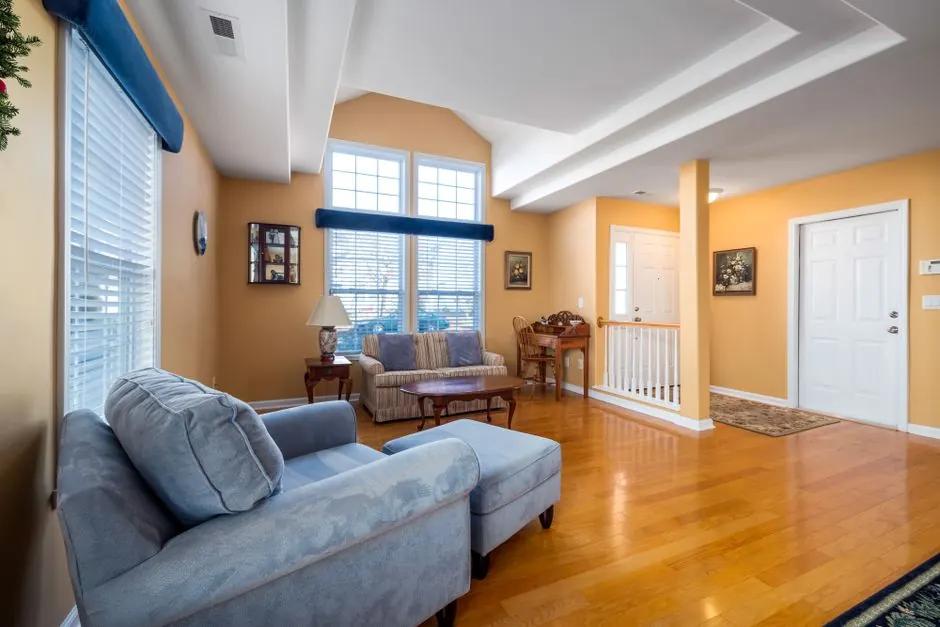
Low-traffic rooms often keep a clean finish longer than busy everyday spaces.
Room-by-room timelines
How long interior paint lasts by room.
These are planning ranges for Austin and Central Texas homes. Your actual timeline depends on wall condition, paint quality, finish, ventilation, sunlight, cleaning habits, and how much life happens in the room.
Bedrooms and low-traffic rooms
7-10 years
These usually last longest because walls get less touching, moisture, and daily wear.
Living rooms and dining rooms
5-8 years
Furniture, sunlight, kids, pets, and regular traffic can shorten the timeline.
Kitchens, bathrooms, and laundry rooms
3-5 years
Humidity, grease, cleaning, and tight spaces make these rooms age faster.
Hallways, stairways, and entry areas
2-5 years
Hands, bags, shoes, moving furniture, and daily traffic beat up these walls first.
Trim, doors, and baseboards
3-7 years
Scuffs, chips, cleaning, and impact usually show here before the wall color fails.
Why lifespan varies
Interior paint fails from use, moisture, light, and shortcuts.
A wall in a guest room and a wall next to a kitchen trash can are living two very different lives. One gets soft afternoon light. The other gets fingerprints, splashes, chair bumps, and possibly spaghetti sauce. We do not judge the spaghetti sauce. We just know it wins sometimes.
Paint also ages faster when the original prep was rushed. Dusty walls, skipped primer, glossy surfaces that were not deglossed, poor drywall patches, and cheap paint can make a room look tired before it should.
In Austin homes, bright natural light can expose flashing, roller marks, old touch-ups, and uneven texture. A room may technically still be painted, but it no longer feels clean or polished.
Warning signs
Signs your interior paint is ready for a refresh.
You do not need to repaint every room on a calendar. Look at how the paint is performing. If the walls keep looking dirty after cleaning, the finish may be past its useful life.
- Scuffs and handprints that no longer clean off
- Fading or yellowing from sunlight, age, smoke, or cooking
- Peeling, bubbling, or flaking near moisture-prone areas
- Cracks around trim, corners, doors, or windows
- Old touch-ups that flash or look patchy in daylight
- Stains bleeding through the paint
- Walls that feel chalky, rough, or gummy after cleaning
- A color that makes the whole room feel tired, dark, or dated
Finish matters
The wrong sheen can make good paint age badly.
Flat or matte
Great for calm bedrooms and ceilings, but not always ideal for heavy cleaning or busy hallways.
Eggshell
A popular wall finish because it balances a soft look with better cleanability than flat.
Satin
Helpful in kitchens, baths, laundry rooms, kids' rooms, and areas that need more washability.
Semi-gloss
Common for trim, doors, cabinets, and baseboards because it handles wiping and impact better.
Want a deeper planning guide? Read our breakdown of how to estimate interior painting costs, or visit our interior painting Austin TX service page if you want help planning the project.
Make interior paint last
How to get more life from your interior paint.
Use the right sheen for the room
Flat paint can look beautiful, but it is not always the hero in a hallway full of backpacks and fingerprints. Kitchens, baths, trim, and kid zones usually need a more washable finish.
Fix wall damage before paint
Fresh paint does not hide bad drywall work. It politely highlights it. Patch nail pops, dents, cracks, failed caulk, and texture issues before the finish coat goes on.
Choose quality paint, not just a color
Better coatings usually touch up cleaner, cover better, and resist burnishing. That matters in Austin homes where bright natural light shows every wall detail.
Keep a small labeled touch-up kit
Save the paint name, sheen, formula, room, and date. Future you will be thrilled. Future you may even forgive present you for the garage shelf situation.
Repaint planning
Should you repaint one room or the whole interior?
If one hallway is scuffed, repainting only that area may be enough. If the main living areas, trim, and bedroom walls all look tired, it can be smarter to plan the project in phases or tackle larger zones at once.
A good interior painting estimate should talk through wall repairs, ceilings, trim, doors, furniture moving, masking, product choice, sheen, number of coats, and timing. If an estimate skips all of that and just gives one vague number, that is not a plan. That is a shrug with a price tag.
New Life Painting helps Austin and Central Texas homeowners plan clean, respectful interior repaints with premium materials, careful prep, and clear communication from estimate to final walkthrough.
Free Austin estimate
Ready for rooms that feel fresh again?
Tell us which rooms feel worn, what condition the walls are in, and the timeline you have in mind. We will help you plan the prep, paint finish, and next steps without the pressure.
FAQ
Interior paint lifespan questions.
How long does interior paint last?
Interior paint usually lasts about 5 to 10 years, depending on the room, paint quality, prep, sheen, sunlight, moisture, kids, pets, and cleaning. Bedrooms often last longer, while hallways, kitchens, bathrooms, and trim usually need repainting sooner.
How often should I repaint interior walls?
Most Austin homeowners repaint main interior walls every 5 to 8 years. High-traffic areas may need repainting in 2 to 5 years, while guest bedrooms and formal rooms can often go closer to 10 years.
Does interior paint expire on the wall?
Interior paint does not expire like milk, thankfully. But it can fade, scuff, stain, peel, lose washability, or start looking dull enough that the room no longer feels clean.
What interior paint finish lasts the longest?
Higher-sheen finishes like satin and semi-gloss are usually more washable and durable than flat paint. That said, the best finish depends on the room, lighting, wall condition, and how much traffic the space gets.
Can I touch up interior paint instead of repainting the whole wall?
Sometimes, yes. Touch-ups work best when the paint is fairly new, the same product and sheen are used, and the wall has not faded. Older paint often flashes, so repainting the full wall from corner to corner looks cleaner.
Why does bathroom paint fail faster?
Bathrooms deal with humidity, steam, cleaning products, and poor ventilation. If the surface was not prepped correctly or the wrong finish was used, peeling and bubbling can happen faster.
Should I repaint before selling my house?
Often, yes. Fresh interior paint can make a home feel cleaner, brighter, and better maintained. Neutral colors in the main living areas are usually the safest move for resale.
Related guides and services