Austin paint color guide
Best Paint Colors for Austin Homes
The best paint colors for Austin homes are usually warm whites, soft greiges, muted greens and blues, earthy clay accents, and deeper charcoals used with restraint. The winning color is not the trendiest chip. It is the one that works with your light, stone, floors, roof, and the Texas sun without picking a fight with all five.
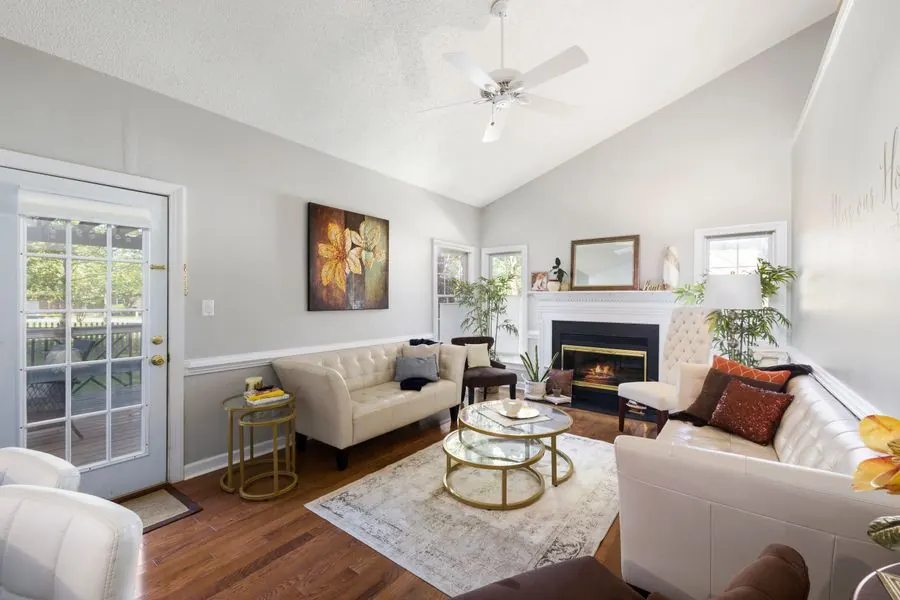
The short version
Start warm, stay grounded, and test everything in real light.
Austin homes usually look their best in colors that acknowledge the warmth already around them: limestone, tan roofs, oak floors, brick, leather, sunlight, and a landscape that is rarely cool gray for long. That is why warm whites, balanced greiges, taupes, sage greens, dusty blues, and earthy accents remain dependable.
That does not mean every house needs to be beige. It means the undertones should make sense. A beautiful blue-white can look icy beside cream limestone. A trendy gray can turn purple beside brown tile. Here is the thing: the room gets a vote.
Watch the light
Austin sun amplifies undertones and makes exterior colors read brighter.
Respect fixed finishes
Stone, brick, floors, counters, and roofs should guide the palette.
Sample at full scale
A tiny chip cannot predict what a whole wall will do throughout the day.
Austin light and undertones
Why paint colors behave differently in Central Texas.
Natural light changes paint all day. North-facing rooms tend to feel cooler and may make gray or blue undertones more obvious. South-facing rooms get warmer, steadier light. East-facing rooms glow early, while west-facing rooms can become intensely warm and bright late in the day.
Exterior color is even less forgiving. Direct Texas sun can make a medium color look surprisingly light and a lively color feel much more saturated. Deep colors absorb more heat and can show fading sooner on exposed elevations, so coating quality and surface suitability matter alongside style.
Artificial light matters too. Warm bulbs soften whites and greens; cooler LEDs can sharpen blue and gray undertones. Test at night before approving a whole-home color. Your paint will live there after sunset.
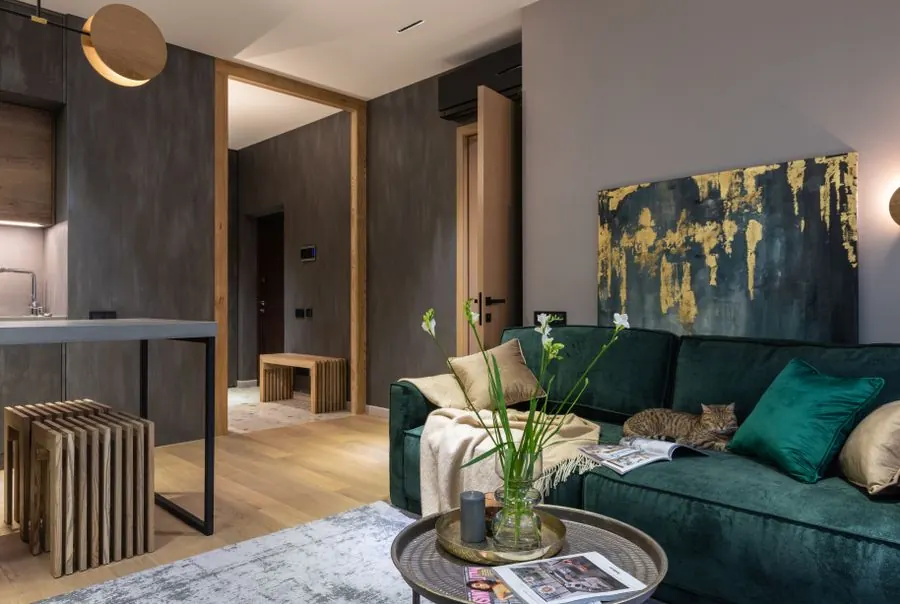
Interior palette ideas
Six interior color families that feel right at home in Austin.
Use these as directions, not paint-by-number instructions. The same family can include dozens of undertones, and one small shift can be the difference between calm and strangely peach at 4 p.m.
Warm white
A soft white with a gentle cream or greige undertone keeps bright Austin rooms comfortable instead of stark. It works especially well with limestone, warm wood, and natural textiles.
Light greige
Greige is still useful when it actually relates to the floors, counters, and light in the room. Choose a warmer version for beige tile and a quieter, less brown version beside cooler stone.
Muted sage
Soft green feels grounded and calm without making a room look themed. It is a strong choice for bedrooms, offices, powder rooms, and cabinetry paired with brass, black, or natural wood.
Dusty blue
A grayed blue can cool down a sun-heavy room while still feeling relaxed. The gray matters: bright coastal blue can look much louder under intense Central Texas daylight.
Clay or muted terracotta
Earthy clay tones echo Texas soil, brick, and leather. Use them as a dining-room color, powder-room moment, front-door accent, or smaller focal wall rather than everywhere at once.
Deep olive or charcoal
Dark accents add weight to built-ins, doors, fireplaces, and offices. They look best when the surrounding palette leaves enough light and contrast to keep the room from feeling heavy.
If you are also deciding on durability and washability, our guide to estimating an Austin interior painting project explains how walls, ceilings, trim, repairs, and finish choices affect scope.
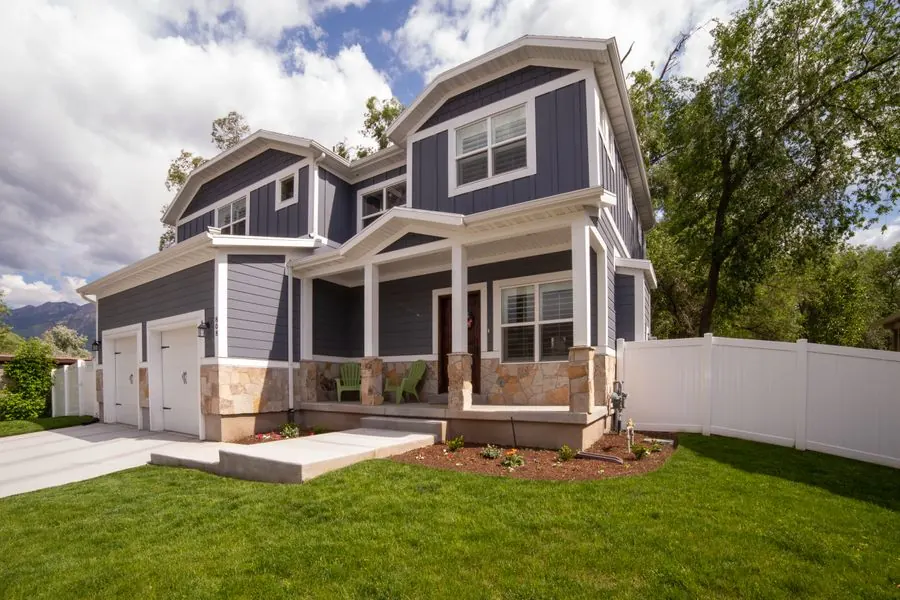
Exterior palette ideas
Exterior combinations that complement Austin architecture.
The most convincing exteriors look connected to the house, not pasted over it. Start with materials that are staying: roof shingles, stone, brick, metalwork, windows, and hardscape. Then build the body, trim, and door colors around those anchors.
Warm white + soft black
A warm white body with restrained charcoal or soft-black trim suits modern Austin homes, but the white must relate to the roof and masonry. Blue-white beside cream limestone can look accidental.
Limestone taupe + cream
Taupe, mushroom, and stone-inspired neutrals connect naturally with Central Texas limestone. Cream trim keeps the contrast polished without creating a hard black-and-white effect.
Muted sage + warm trim
Sage and gray-green sit comfortably in wooded neighborhoods and Hill Country settings. Pair them with warm off-white trim and a deeper olive, bronze, or stained-wood door.
Dusty blue-gray + crisp cream
A softened blue-gray can refresh brick, siding, or stucco while staying easy on the eyes. Keep the saturation low so direct Texas sun does not turn it into a much brighter color than expected.
Before choosing a deep body color or painted brick, consider sun exposure, surface condition, and the coating system. Our guide to the best exterior paint for Texas heat covers the performance side of the decision.
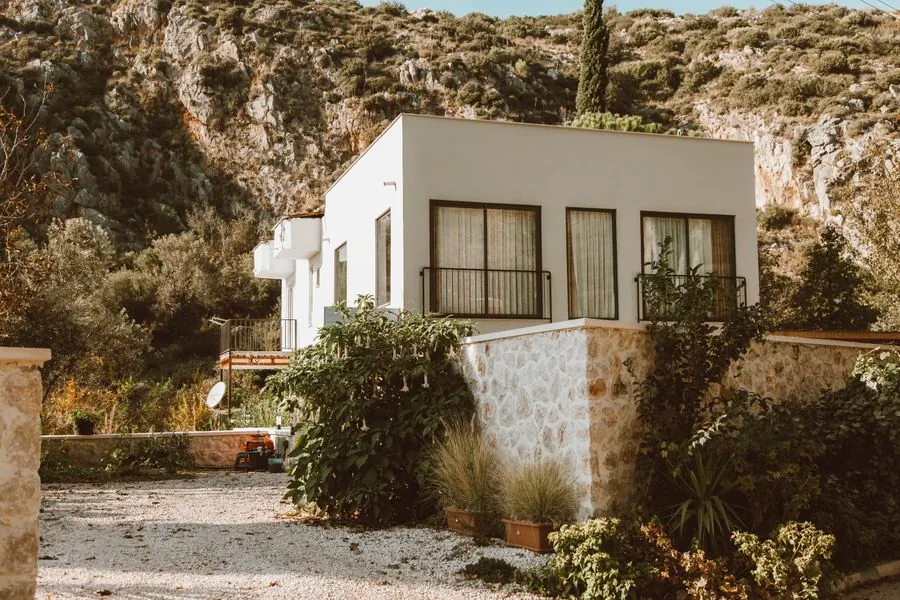
Work with what stays
Let stone, brick, floors, and roofs lead the conversation.
Expensive fixed finishes are the palette's boss. Pull a few undertones from limestone, tile, wood, counters, brick, and roofing. Then compare the paint candidates against those colors instead of judging each chip alone on a clean white screen.
Austin limestone often carries cream, gold, gray, or rust notes. A warmer white may connect beautifully; a cold white may make the stone look dirty. Red or orange brick usually prefers cream, taupe, muted green, dusty blue, or charcoal accents over a competing bright color.
Indoors, flooring is the common troublemaker. Beige tile, gray plank, red oak, and polished concrete each push wall colors differently. The cheapest quote can become expensive later if nobody slows down to test that relationship before five gallons go on the wall.
Color flow for open plans
Connected rooms need a plan, not one color everywhere.
Many Austin homes have an entry, living room, dining area, and kitchen sharing long sightlines. A reliable approach is one main neutral through the largest connected spaces, then related colors in rooms with clear architectural boundaries.
Repeat undertones instead of repeating the exact color. A warm white living area can flow into muted sage cabinetry, a clay powder room, and a charcoal office when each color shares a grounded, slightly warm character. The palette feels intentional without feeling like a builder sprayed the same beige into every corner.
Trim color provides continuity. Keeping doors, casing, baseboards, and ceilings coordinated gives the eye a consistent frame while wall colors change. For help planning the full scope, explore our interior painting service in Austin.
Before you buy the gallons
A six-step paint color test that prevents expensive surprises.
- 1Narrow the choice to two or three finalists, not twelve nearly identical chips.
- 2Paint large sample boards or generous wall sections with two full coats.
- 3Move interior boards to different walls and check them morning, noon, and evening.
- 4View exterior samples in direct sun, shade, and beside the roof, brick, or stone.
- 5Check the color under your actual bulbs at night before making the final call.
- 6Choose sheen after color; gloss level can change how light and color read.
One last practical rule
Choose color and sheen together, but do not confuse them. Satin can make a color feel richer and reflect more light than matte. Semi-gloss makes trim easier to clean but highlights surface imperfections. If the wall needs repair, fix it before asking shiny paint to keep a secret.
For current manufacturer palette ideas, review the official Sherwin-Williams color collections and Benjamin Moore paint colors. Use them for inspiration, then sample in your actual home.
Free Austin estimate
Want a color plan that works in your actual home?
Tell us what you want to refresh, which finishes are staying, and where the light creates trouble. We will help you think through color, prep, products, sheen, timeline, and the next step without making the estimate feel like a sales marathon.
Austin paint color FAQ
Questions Austin homeowners ask before choosing a color.
What paint colors are popular for Austin homes?
Warm whites, light greiges, soft taupes, muted sage greens, dusty blues, clay accents, and restrained charcoal details all work well in Austin. The best choice depends on the home's natural light, floors, roof, brick, limestone, and surrounding landscape.
What is the best white paint color for an Austin home?
There is no single best white. Austin homes often benefit from a warm or neutral white that does not turn icy in strong daylight. Test it beside the home's stone, tile, counters, roof, and trim before committing.
Do paint colors look lighter in the Texas sun?
Yes. Strong exterior sunlight can make colors appear lighter, brighter, and sometimes more saturated. A color that looks calm on a small chip indoors may look noticeably stronger across an entire sunlit elevation.
What exterior colors work with Texas limestone?
Warm whites, cream, mushroom, taupe, muted sage, dusty blue-gray, bronze, and softened charcoal often coordinate well with limestone. Pull from the stone's actual warm and cool undertones instead of choosing from memory.
Should every room in an open floor plan be the same color?
Not necessarily. One main neutral can create continuity, while connected rooms use related shades or deliberate accents. The important part is making each transition happen at a logical architectural stopping point.
How many paint samples should I test?
Two or three serious finalists are usually enough. Large samples reveal undertones much better than a collection of tiny chips, and checking them throughout the day prevents a rushed decision based on one lighting condition.
Can New Life Painting help with color selection?
Yes. We can help Austin-area homeowners compare colors against existing finishes, lighting, and the overall project plan before painting begins. A free estimate is also a good time to discuss prep, product, sheen, and realistic next steps.
Related guides and services
New Life Painting is family owned and insured, with free estimates in English and Spanish for Austin, Leander, Cedar Park, Round Rock, Georgetown, and nearby Central Texas communities.