Interior painting estimate guide
How to Estimate Interior Painting Costs
To estimate interior painting costs, measure the wall area, decide which surfaces are included, estimate paint and coats, then add labor, prep, repairs, trim, ceilings, protection, and cleanup. The formula is simple. The details are where the real price lives.
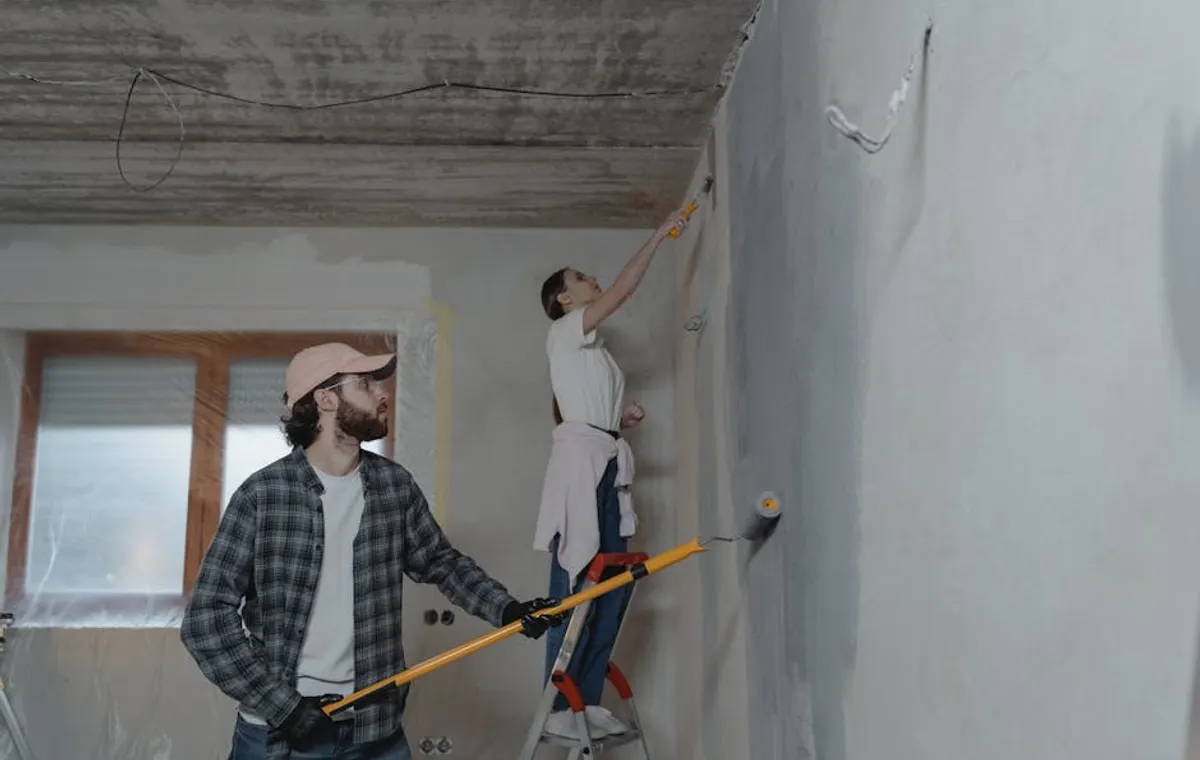
Quick formula
The basic interior painting estimate formula.
Wall area + surfaces + paint + prep + labor + protection = your real estimate.
Floor square footage is useful, but it is not enough. A good estimate looks at the rooms themselves: height, repairs, trim, doors, furniture, colors, access, and how clean the final finish needs to be.
Measure the wall area
Add each wall's width, multiply by ceiling height, then subtract large windows and doors if you want a tighter number.
Decide what surfaces are included
Walls only is one price. Walls, ceilings, trim, doors, closets, and built-ins is a very different project.
Add prep and repairs
Nail holes, cracks, drywall patches, stains, texture repairs, sanding, masking, and furniture protection all affect the estimate.
Factor paint, labor, and access
Paint gallons matter, but labor is usually the biggest cost. Ceiling height, furniture, colors, and detail work change the math.
Here's the thing. Two rooms can be the same size and cost different amounts. One has smooth walls and one color. The other has patched drywall, dark paint, crown molding, five windows, and a ceiling stain. Same square footage. Different beast.
Measure walls
How to calculate interior wall square footage.
Start with the room perimeter. Add the length of each wall, then multiply by ceiling height. A 12-foot by 12-foot room with 8-foot ceilings has a 48-foot perimeter. Multiply 48 by 8 and you get about 384 square feet of wall area before subtracting openings.
Step
Measure wall area
Formula
Room perimeter x wall height
Example
A 12x12 room with 8-foot ceilings has about 384 sq. ft. of wall area before deductions.
Step
Subtract big openings
Formula
Doors + large windows
Example
Subtracting openings is optional for rough planning, but useful for bigger rooms.
Step
Estimate gallons
Formula
Paintable sq. ft. ÷ coverage
Example
Many paints cover roughly 350-400 sq. ft. per gallon per coat, depending on surface and product.
Step
Multiply by coats
Formula
Gallons x number of coats
Example
Big color changes, patched walls, and thirsty surfaces may need primer or extra coats.
For a quick planning estimate, you can skip tiny deductions. For a tighter number, subtract large doors, big windows, built-ins, and areas you are not painting.
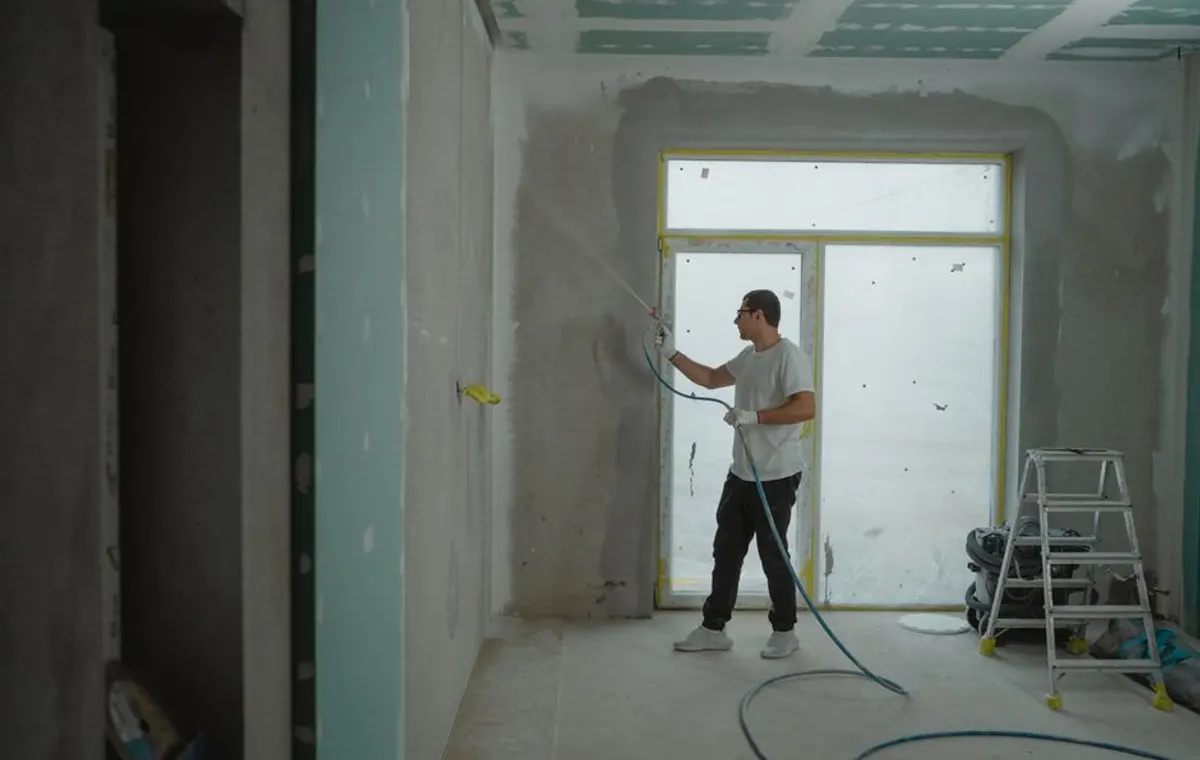
Estimate paint
How many gallons of paint do you need?
Many interior paints cover roughly 350 to 400 square feet per gallon per coat, but coverage depends on the paint, wall texture, color change, primer, and surface condition. Always check the product label.
A room with 384 square feet of wall area may need about one gallon per coat in theory. If you are doing two coats, plan closer to two gallons. If you are covering a dark color, painting over patches, or changing sheen, primer or extra material may be needed.
Manufacturer resources from Sherwin-Williams and Benjamin Moore can help with rough paint quantity planning.
Labor and prep
Paint is not the whole price. Prep and labor usually are.
Paint gallons are easy to count. Labor is where most interior painting estimates really move. A professional crew has to protect the room, move or cover furniture, repair walls, sand rough areas, mask clean lines, apply coats, clean up, and handle touch-ups.
Ceiling height and total wall area
Number of rooms and number of colors
Walls only versus walls, ceilings, trim, doors, and closets
Drywall repair, texture touch-ups, stains, cracks, and nail pops
Furniture moving, floor protection, masking, and setup time
Paint quality, sheen, washability, and low-odor product needs
Occupied home scheduling versus an empty move-in repaint
Tight cutting around windows, cabinets, built-ins, stairwells, and crown molding
If your home was built before 1978, also talk with your contractor about lead-safe practices. The EPA's Renovation, Repair and Painting Program explains requirements for older homes.
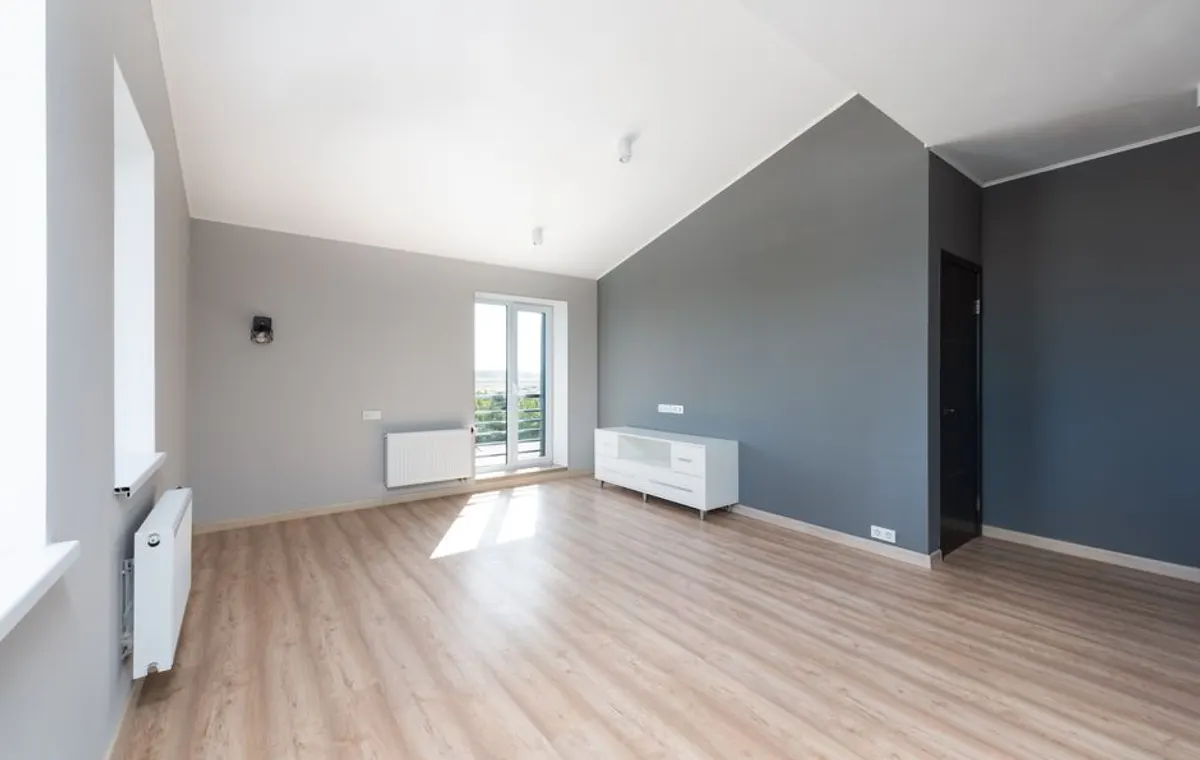
Room examples
Common interior painting planning ranges.
These are planning ranges, not a final quote. Austin pricing can shift based on prep, paint quality, scheduling, ceiling height, furniture, repairs, and how detailed the room is.
Small bedroom or office
$450-$950
Simple walls, normal height, light prep, one color, and easy access.
Average bedroom or dining room
$750-$1,800
More wall area, careful masking, minor repairs, and quality washable paint.
Kitchen, bath, or detailed room
$900-$2,500+
Moisture-resistant paint, tight cutting, cabinets nearby, trim, and extra protection.
Whole-home interior repaint
$4,500-$12,000+
Multiple rooms, trim, ceilings, doors, repairs, furniture, color changes, and scheduling complexity.
For Austin-specific pricing examples, read our local guide to interior painting cost in Austin TX.
Quote checklist
What every interior painting estimate should include.
If you want to compare estimates fairly, compare scope. One quote may include repairs, primer, two coats, trim, cleanup, and a walkthrough. Another may simply say “paint bedroom.” Those are not cousins. They are strangers.
Rooms and surfaces included
Wall repairs and texture touch-ups
Paint brand, product line, sheen, and number of coats
Whether primer is included where needed
Furniture, floor, fixture, and cabinet protection
Ceilings, trim, doors, closets, and accent walls
Cleanup, touch-ups, and final walkthrough
What is excluded or could cost extra
If you are deciding who to hire, our guide on how to choose a painting contractor in Austin TX will help you spot vague estimates before they become expensive.
Common mistakes
Estimating mistakes that make numbers look better than they are.
Estimating from floor square footage only
A 2,000 sq. ft. home does not tell you ceiling height, trim detail, wall condition, furniture, or number of colors.
Forgetting the second coat
One-coat promises sound convenient until the old color or patched areas show through. Some surfaces need more than wishful thinking.
Ignoring prep
Prep is where the final finish is made. Skipping patching, sanding, masking, or priming can make even expensive paint look rough.
Comparing vague quotes
If one estimate includes trim, repairs, and premium paint while another says “paint rooms,” those are not the same quote.
A good estimate should make the project feel clearer, not more confusing. If you are repainting walls, ceilings, trim, or doors in Austin, New Life Painting can review the rooms and give you a practical scope before you commit.
Related guides and services
Interior painting estimate FAQ
Interior painting estimating questions, answered.
How do you estimate interior painting costs?
Estimate interior painting costs by measuring wall area, deciding which surfaces are included, estimating paint gallons and coats, then adding labor, prep, repairs, protection, trim, ceilings, doors, and cleanup. For a real price, the wall condition and scope matter more than a simple square-foot average.
How much paint do I need for an interior room?
A rough method is to calculate paintable wall square footage and divide by the paint's coverage rate. Many interior paints cover about 350 to 400 square feet per gallon per coat, but texture, color changes, primer, and product type can change that.
Is interior painting priced by room or square foot?
Both methods are common. Square footage helps with planning, but a professional estimate should also account for ceiling height, repairs, trim, doors, furniture, masking, paint quality, and number of colors.
What is the biggest cost in interior painting?
Labor and prep are usually the biggest cost drivers. Paint matters, but protecting the space, repairing walls, cutting clean lines, masking, sanding, and applying coats properly take most of the time.
Should I include trim and ceilings in my estimate?
Yes, if you want an accurate number. Trim, doors, ceilings, closets, and accent walls can add meaningful labor because they require different prep, masking, sheen, dry time, and detail work.
How can I lower my interior painting cost?
You can lower cost by simplifying colors, clearing access, moving fragile items, bundling rooms, and deciding early which surfaces matter most. Do not save money by skipping prep on walls that need it.
Free Austin estimate
Want a real price for your interior project?
Tell us what you want painted, what condition the walls are in, and your timeline. We'll help you understand the scope and next steps without the pressure.