Kitchen cabinet finish guide
What Is the Best Paint Finish for Kitchen Cabinets?
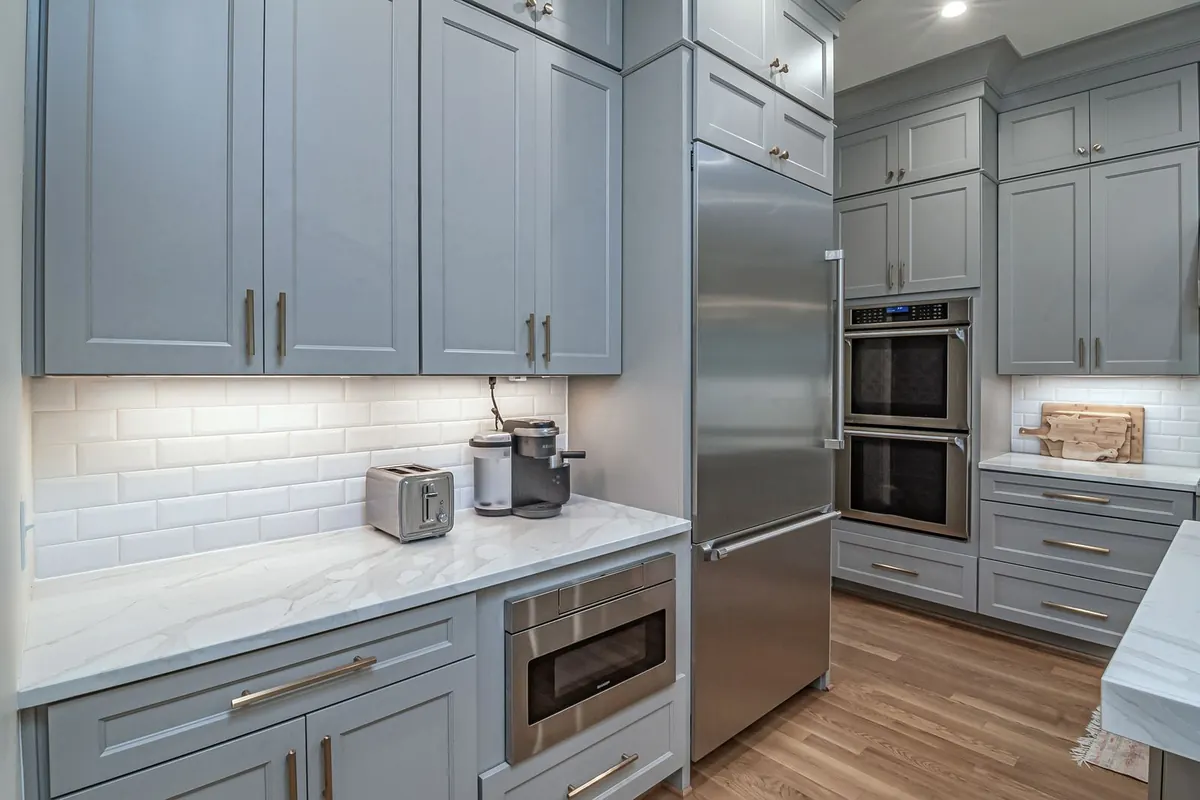
For most kitchens, the best paint finish is a cabinet-grade satin enamel. It looks refined, hides fingerprints and small flaws better than shinier finishes, and still cleans well. Choose semi-gloss when maximum wipeability matters more than glare or visible surface texture.
Quick answer
Satin is the sweet spot for most painted kitchen cabinets.
Satin gives cabinet doors a soft, furniture-like glow without looking flat. It is durable enough for normal kitchen use, easier to clean than eggshell, and far more forgiving than high-gloss under Austin's bright windows and strong overhead lighting.
Semi-gloss is not wrong. It is excellent when a kitchen gets heavy use and frequent wiping. The tradeoff is simple: more reflection means more visible fingerprints, grain, dents, roller texture, and prep mistakes. Shine has a habit of telling on people.
The bigger decision is using a true cabinet-grade enamel instead of ordinary wall paint. Modern satin cabinet coatings can outperform cheap semi-gloss wall paint because resin chemistry, adhesion, hardness, and curing matter more than the sheen name printed on the label.
Two different decisions
Sheen and paint type are not the same thing.
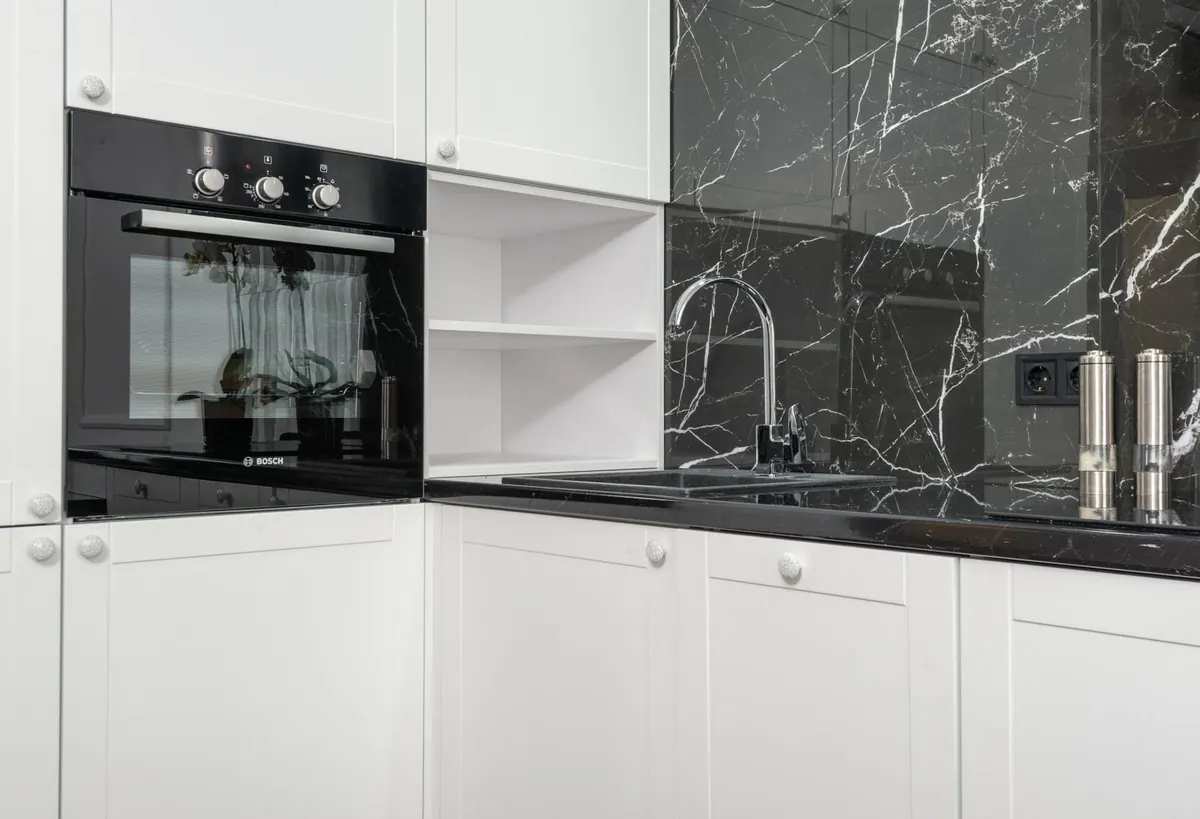
Sheen describes how much light the dried surface reflects: matte, eggshell, satin, semi-gloss, or high-gloss. Paint typedescribes the coating technology underneath that appearance.
Cabinets need a product designed to level smoothly, resist blocking when doors close, tolerate cleaning, and cure harder than wall paint. Waterborne alkyd, urethane-reinforced enamel, and dedicated cabinet coatings are common paths. Product instructions still control primer, application, recoat, and cure.
This is why we would choose a premium satin cabinet enamel over a bargain semi-gloss wall paint every time. The second option may sound tougher because it is shinier. That does not make it the better cabinet system.
Finish comparison
Satin vs. semi-gloss vs. high-gloss cabinets.
There is no universal finish that wins every kitchen. There is a finish that makes the most sense for your cabinets, light, color, cleaning habits, and tolerance for seeing fingerprints before your morning coffee.
Best overall for most kitchens
Satin
- Appearance
- Soft, low-luster glow
- Best part
- Refined look, hides fingerprints and small flaws, and still cleans well.
- Watch for
- Not quite as wipeable as semi-gloss around the busiest work zones.
Best for maximum cleanability
Semi-gloss
- Appearance
- Noticeably brighter and more reflective
- Best part
- Easy to wipe, moisture resistant, and crisp on smooth cabinet doors.
- Watch for
- Shows dents, grain, brush marks, smudges, and uneven prep more easily.
Best as a deliberate specialty look
High-gloss
- Appearance
- Mirror-like and dramatic
- Best part
- Very washable and visually bold in modern kitchens.
- Watch for
- Demands nearly perfect surfaces, controlled spraying, and more upkeep.
Usually not our first choice
Matte or eggshell
- Appearance
- Flat to softly muted
- Best part
- Hides surface texture and creates a calm appearance.
- Watch for
- Less forgiving around grease, splashes, scrubbing, and constant handling.
Choose for the room
Let the kitchen decide, not the paint-chip label.
How hard the kitchen works
Busy family kitchens, trash pullouts, sink bases, and frequently handled doors need a cabinet-grade coating with excellent block and scrub resistance.
How smooth the cabinets are
Higher sheen reflects more light and exposes grain, dents, old brush marks, and uneven repairs. Satin is kinder to older oak and detailed doors.
The look you want
Satin feels quiet and modern. Semi-gloss feels brighter and crisper. High-gloss makes the finish itself part of the design.
Moisture and cleaning
Cabinets beside the sink, range, dishwasher, and coffee station see splashes and cleaning more often. Product quality matters as much as sheen here.
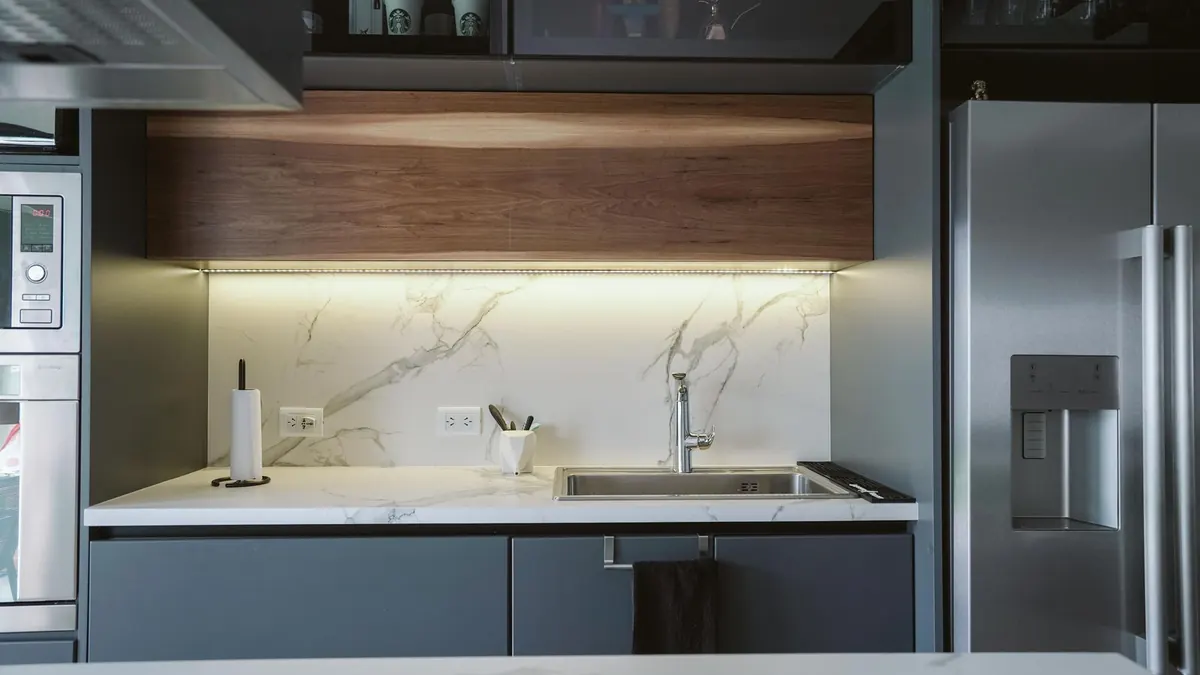
White and pale cabinets often look softer and more expensive in satin. Dark navy, charcoal, and green can gain depth from satin too, while semi-gloss can make bold colors brighter and more graphic. Neither is automatically better.
Cabinet material matters as well. Smooth MDF can take a more reflective finish cleanly. Open-grain oak will still show texture unless the scope includes grain filling, and semi-gloss can emphasize every ridge. Thermofoil, damaged laminate, and swollen panels need an assessment before anyone promises a durable finish.
Always view a real finish sample inside the kitchen. Morning light, warm bulbs, cool LEDs, glossy counters, and reflective backsplashes can make the same sheen look completely different from one Austin home to the next.
The finish starts before paint
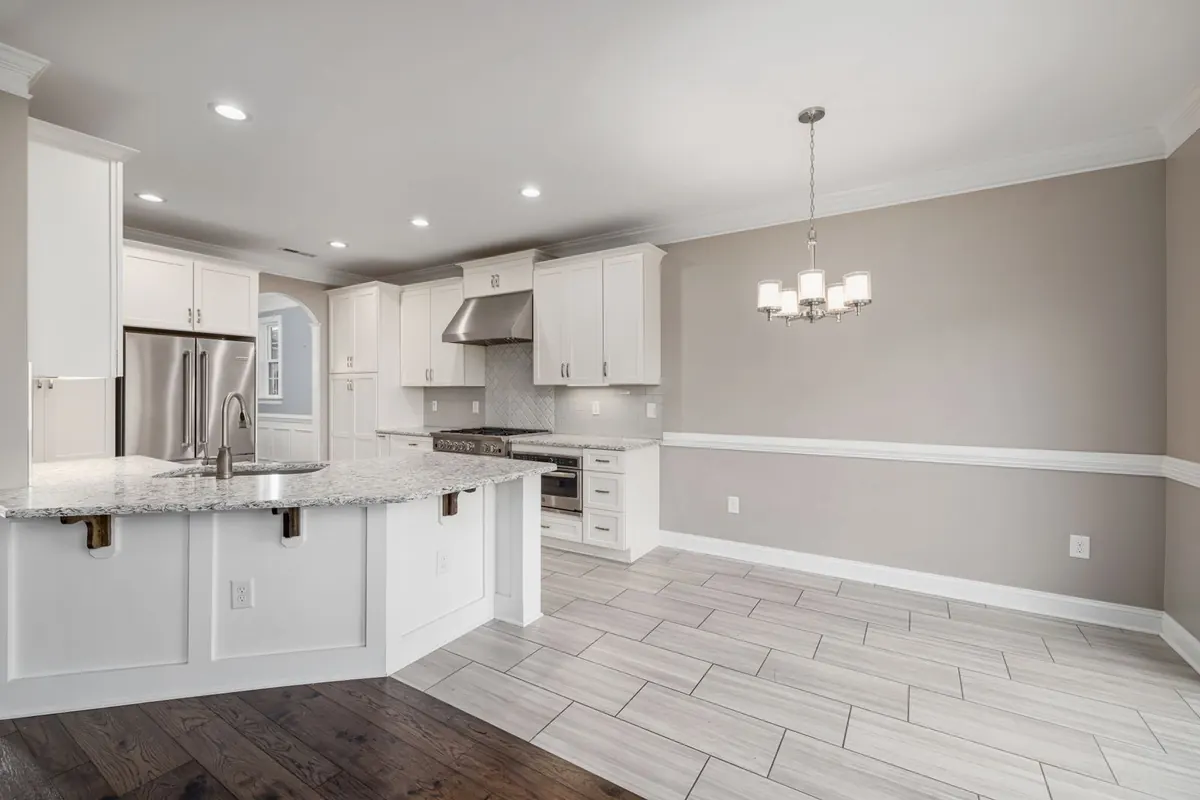
Prep and application decide whether the sheen looks premium.
A shinier product cannot rescue greasy doors, loose coating, swollen edges, or rushed sanding. It usually makes those problems easier to see. The cleanest cabinet finish is built as a system from the substrate outward.
Here is the practical sequence we want homeowners to see in a professional cabinet painting scope:
- 1Remove doors, drawers, hardware, bumpers, and anything that blocks clean coating edges.
- 2Degrease thoroughly. Kitchen residue can be invisible and still ruin adhesion.
- 3Scuff-sand or degloss the old finish so the primer has a dependable surface to grip.
- 4Repair chips, dents, open seams, and damaged edges before the final coats make them obvious.
- 5Use the correct bonding or stain-blocking primer for the existing finish and cabinet material.
- 6Apply controlled coats of cabinet-grade enamel and respect every recoat and cure window.
Spraying often produces the smoothest visual finish on cabinet doors, but spray equipment is not a substitute for prep. A beautifully atomized coat over kitchen grease is still a failure with excellent presentation skills.
Curing and care
Dry is not the same as cured.
Cabinet paint can feel dry before it reaches its intended hardness. Closing doors aggressively, reinstalling bumpers too soon, scrubbing fresh paint, or letting wet towels hang over an edge can damage a finish that would have become much tougher with time.
Follow the coating manufacturer's instructions. Temperature, humidity, ventilation, color, and film thickness all affect cure time. During the early period, use the hardware, close doors gently, wipe spills with a soft damp cloth, and skip abrasive pads or harsh degreasers.
If you want to understand service life after the sheen is chosen, read our guide to how long cabinet paint lasts. For budget planning, see cabinet painting cost in Austin.
Product specifications vary, so check the current technical guidance for the coating you use. Behr's cabinet and trim enamel information and Sherwin-Williams Emerald Urethane Trim Enamel guidance are useful examples of manufacturer-specific instructions.
Free Austin estimate
Want the right cabinet finish for your actual kitchen?
Tell us about the cabinet material, current finish, color, lighting, and how your kitchen is used. We will explain the prep, sheen, coating system, timeline, and next steps clearly, without turning your estimate into a sales marathon.
FAQ
Kitchen cabinet paint finish questions.
What is the best paint finish for kitchen cabinets?
Satin cabinet-grade enamel is the best overall finish for most kitchen cabinets because it balances durability, cleanability, and a soft premium appearance. Semi-gloss is a strong alternative for homeowners who prioritize maximum wipeability and a brighter sheen.
Is satin or semi-gloss better for kitchen cabinets?
Choose satin for a softer look that hides fingerprints, grain, and minor surface flaws. Choose semi-gloss for easier cleaning and a crisper, more reflective finish, especially when the cabinet doors are very smooth and well prepared.
Should white kitchen cabinets be satin or semi-gloss?
Both can work. Satin gives white cabinets a softer, more furniture-like appearance, while semi-gloss looks brighter and more traditional. Test a sample in the kitchen because windows and LEDs can make the same white look very different.
What finish is easiest to clean on kitchen cabinets?
Semi-gloss is generally easier to wipe clean than satin because its smoother, more reflective surface resists moisture and grime well. A premium cabinet-grade satin enamel can still clean beautifully and usually shows fewer fingerprints.
Can I use regular wall paint on kitchen cabinets?
We do not recommend it. Cabinets need stronger adhesion, leveling, hardness, block resistance, and washability than ordinary wall paint is designed to provide. Use a coating specifically rated for cabinets, doors, or trim.
Does a clear coat make cabinet paint more durable?
Not automatically. A compatible clear coat can be useful in some systems, but it can also change sheen, color, repairability, and cure behavior. A complete cabinet coating system applied according to its instructions usually does not need an improvised topcoat.
How long should cabinet paint cure before normal use?
The exact cure time depends on the product, temperature, humidity, ventilation, color, and film thickness. Paint may feel dry within hours while continuing to harden for days or weeks, so follow the product instructions and treat freshly painted cabinets gently.
Related guides and services
New Life Painting is family owned, insured, and serves Austin, Leander, Cedar Park, Round Rock, Georgetown, and nearby Central Texas communities. Free estimates are available in English and Spanish.