Cabinet finish durability guide
How Long Does Cabinet Paint Last?
Professionally painted cabinets commonly last 8 to 15 years before a full repaint is needed. A rushed job using wall paint may chip in a year or two. The difference is rarely luck. It is prep, products, application, curing, and how the kitchen is used.
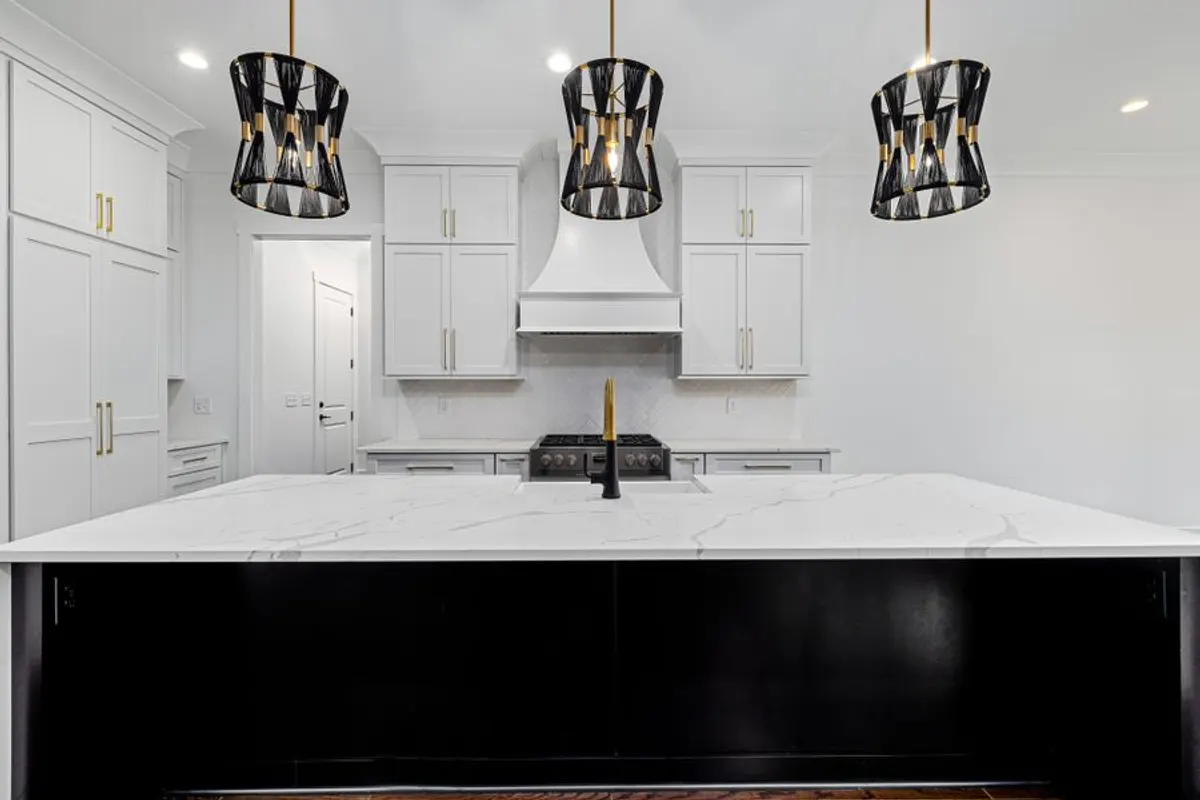
Quick answer
Expect 8-15 years from a professional cabinet finish.
That does not mean every door stays untouched for 15 years. A busy trash pullout might need a small repair while the upper cabinets still look nearly new. Lifespan means the coating system remains sound and attractive enough that a full repaint is not yet necessary.
Here's the thing: cabinets are furniture, not walls. They get grabbed, slammed, scrubbed, steamed, and splattered. Cabinet paint has to survive breakfast, school mornings, holiday cooking, and whoever keeps opening the same drawer with one wet hand.
New Life Painting serves Austin and Central Texas homeowners with cabinet painting built around thorough prep, careful protection, and coatings made for daily use. We would rather explain the real process than promise a magic one-coat makeover.
Realistic lifespan
Cabinet paint lifespan by finish quality.
These ranges are planning guides, not guarantees. Cabinet material, existing finish, grease, moisture, daily traffic, cleaning products, and application conditions all affect the result.
Rushed DIY job or wall paint
1-3 years
Weak cleaning, missed primer, soft paint, or rushed curing can cause early chips and peeling.
Careful DIY cabinet system
3-7 years
Good prep and cabinet-grade products can perform well, but application and cure conditions vary.
Professional cabinet painting
8-15 years
Thorough prep, bonding primer, durable coatings, controlled application, and proper curing give the best odds.
Low-use bathroom or built-ins
10-15+ years
Lower traffic and less grease can help a quality finish outlast one in a busy family kitchen.
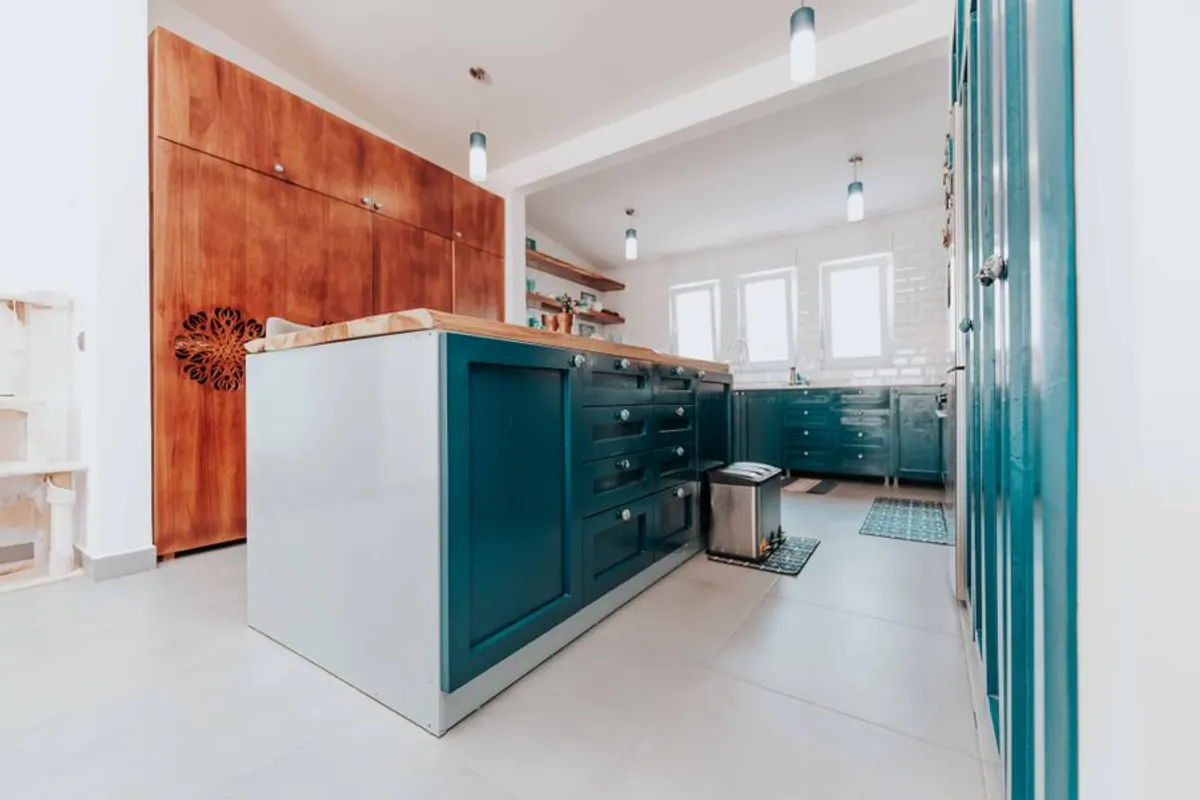
What makes cabinet paint last
Prep decides whether the coating has a fighting chance.
Paint brand matters. Prep matters more. A premium cabinet enamel over grease and gloss is still a weak system. Durable cabinet painting is a chain of steps, and skipping one weakens everything after it.
Cleaning and degreasing
Kitchen cabinets collect cooking oils, hand residue, cleaners, and years of invisible grime. Paint cannot bond reliably to contamination, no matter how expensive the can was.
Sanding and adhesion
Glossy factory finishes need to be properly deglossed or sanded so the primer has something to grip. Skipping this step is how good-looking paint starts peeling from edges.
The right bonding primer
Primer helps lock down the existing finish, improve adhesion, and reduce stain or tannin bleed. The correct primer depends on the cabinet material and old coating.
Cabinet-grade coatings
Cabinet doors are touched, scrubbed, bumped, and exposed to steam. They need a harder, more washable coating than ordinary wall paint.
Thin, controlled coats
Several controlled coats cure more predictably than one heavy coat. Thick paint can sag, stay soft, bridge door details, or stick where doors meet frames.
Full cure time
Dry to the touch is not fully cured. Treating fresh cabinet paint gently during its early cure period helps the coating reach its intended hardness.
Cabinet-grade products are formulated for frequently handled surfaces. Review manufacturer guidance for products such as Sherwin-Williams Emerald Urethane Trim Enamel and Benjamin Moore INSL-X Cabinet Coat. The right product still needs the right surface preparation and application conditions.
Predictable wear zones
Where painted cabinets usually show wear first.
Cabinet finishes rarely wear evenly. High-contact areas take the abuse first, so one chipped drawer does not automatically mean the entire kitchen needs repainting.
- Edges around knobs and pulls
- Trash and recycling pullouts
- Sink-base doors exposed to drips
- Cabinets beside the stove and dishwasher
- Lower doors bumped by shoes, toys, and pets
- Frequently used drawers and island seating areas
Chipping versus peeling: they tell different stories.
A small chip from an impact can happen to an otherwise strong finish. Peeling in sheets, widespread edge failure, or paint lifting with light pressure usually points to an adhesion problem. That is not normal wear. It means the new coating is separating from what is underneath.
Care and maintenance
Five habits that help cabinet paint last longer.
You do not need to baby painted cabinets. You do need to avoid repeatedly soaking, scrubbing, and slamming them. Reasonable care protects the finish without turning dinner into a preservation project.
Use mild soap and a soft cloth
Abrasive pads and aggressive degreasers can dull or soften the finish. Start gentle and avoid soaking doors or seams.
Wipe moisture quickly
Do not let water sit around the sink, dishwasher, seams, or door edges. MDF and damaged wood are especially sensitive to repeated moisture.
Use the hardware
Knobs and pulls reduce skin oils and fingernail wear on painted edges. Keep loose hardware tightened before it chips the coating around screw holes.
Run the vent while cooking
Ventilation helps reduce grease and steam settling on cabinet faces, especially around the range and upper doors.
Let fresh paint cure
Close doors softly, avoid heavy cleaning, and do not hang wet towels over fresh cabinet faces during the early cure period.
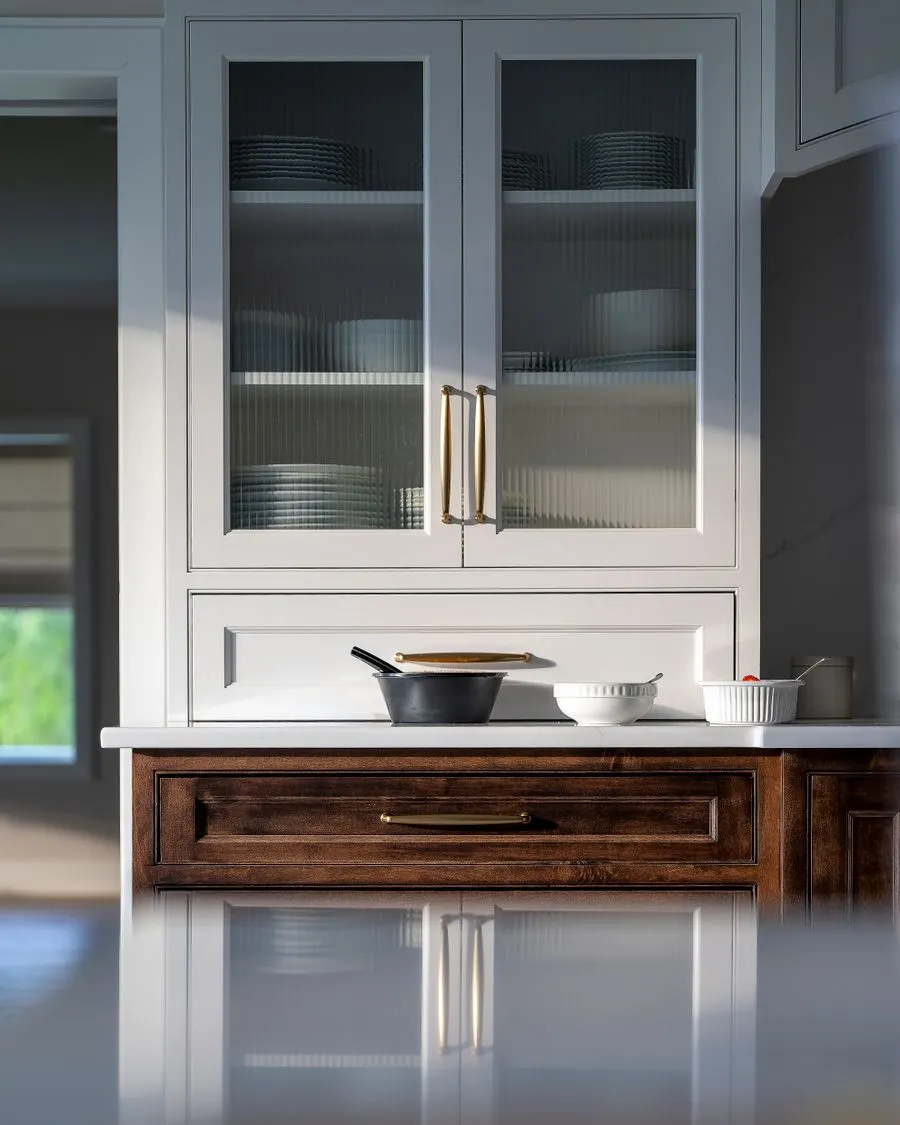
Touch up or repaint?
Fix isolated wear. Repaint widespread failure.
A touch-up may be enough when...
- Only one or two edges have small chips.
- The surrounding paint is firmly bonded.
- The original color and product information are available.
- The cabinet material underneath is dry and sound.
Repainting makes more sense when...
- Paint is peeling across multiple doors or frames.
- The finish stays tacky or scratches unusually easily.
- Grease, discoloration, or wear is widespread.
- You want a major color or sheen change.
If the boxes are solid but the finish looks tired, our Austin cabinet painting service can give the kitchen a fresh start. If you are deciding whether the cabinets are worth saving, compare cabinet painting versus replacing cabinets. For budgeting, use our Austin cabinet painting cost guide.
Free Austin estimate
Want cabinet paint that is built for real life?
Tell us about your cabinet material, current finish, color ideas, and daily wear. We will explain the prep, coating system, timeline, and next steps clearly, without turning the estimate into a sales marathon.
FAQ
Cabinet paint lifespan questions, answered.
How long does cabinet paint last?
Professionally painted cabinets commonly last about 8 to 15 years before they need a full repaint. Daily use, cabinet material, prep quality, coating choice, curing, and cleaning habits can move that lifespan shorter or longer.
Do professionally painted cabinets chip?
Any painted surface can chip when it is struck, but a properly prepared cabinet-grade finish should resist normal daily use. Early widespread chipping usually points to contamination, poor adhesion, the wrong coating, or rushed cure time.
How long does it take cabinet paint to fully cure?
Cure time depends on the specific coating, temperature, humidity, film thickness, and ventilation. A finish may feel dry within hours but continue hardening for days or weeks, so follow the product instructions and treat it gently at first.
Is spraying more durable than brushing cabinet paint?
Spraying can create a smoother, more even film, but durability still depends on cleaning, sanding, primer, coating choice, film thickness, and cure time. A smooth finish over poor prep is still poor prep wearing a nice outfit.
Can painted cabinets be touched up?
Small isolated chips can often be cleaned, feather-sanded, spot-primed, and touched up. Matching sheen and texture can be difficult on larger areas, so widespread wear usually looks better after a controlled repaint.
Why is paint peeling around cabinet handles?
Handle areas see constant oils, friction, fingernails, and loose hardware. Peeling there can come from ordinary heavy wear, but it often reveals weak cleaning, missed sanding, or poor adhesion underneath.
Are all cabinets good candidates for painting?
No. Solid wood, sound MDF, and many factory-finished cabinets can be painted with the right system. Swollen panels, peeling thermofoil, failing laminate, severe water damage, or broken boxes may be better repaired, refaced, or replaced.
About the author
New Life Painting
New Life Painting is a family-owned, insured residential and commercial painting company serving Austin, Leander, Cedar Park, Round Rock, Georgetown, and nearby Central Texas communities. Our crews provide free estimates, respectful communication, clean preparation, premium materials, and service in English and Spanish.
Related guides and services